Winter Birding in North Thailand: A Bird Photographer’s Road Trip Through Mountains, Forests and Cherry Blossoms
Introduction: Winter Birding in Northern Thailand
Northern Thailand is one of my favourite destinations for winter bird photography. Having travelled through this region several times in January, I have come to appreciate the incredible diversity of birds, beautiful mountain landscapes and pleasant winter weather that make this part of Thailand such a rewarding destination for birdwatchers and photographers.
Unlike tropical Singapore, where birding is generally concentrated in forests, parks and nature reserves at lower elevations, Northern Thailand offers a fascinating variety of habitats. From the lowland forests of Mae Wong National Park to the cool mountain forests of Doi Inthanon and the remote highlands of Doi Lang, each destination offers opportunities to photograph different species.
January is particularly attractive because it coincides with the wintering season for many migratory birds. Temperatures are generally cooler, especially at higher elevations, making long days in the field more comfortable. It is also a wonderful time to enjoy the cherry blossoms that bring additional colour to the mountain scenery.
My road trips usually begin in Bangkok before heading north towards Mae Wong National Park, followed by Doi Inthanon, Doi Lang and finally Doi Ang Khang.
Each destination has its own character, and I have enjoyed returning to these locations to photograph birds that are difficult to encounter elsewhere.
Mae Wong National Park: Searching for Pheasants in the Mountain Forest
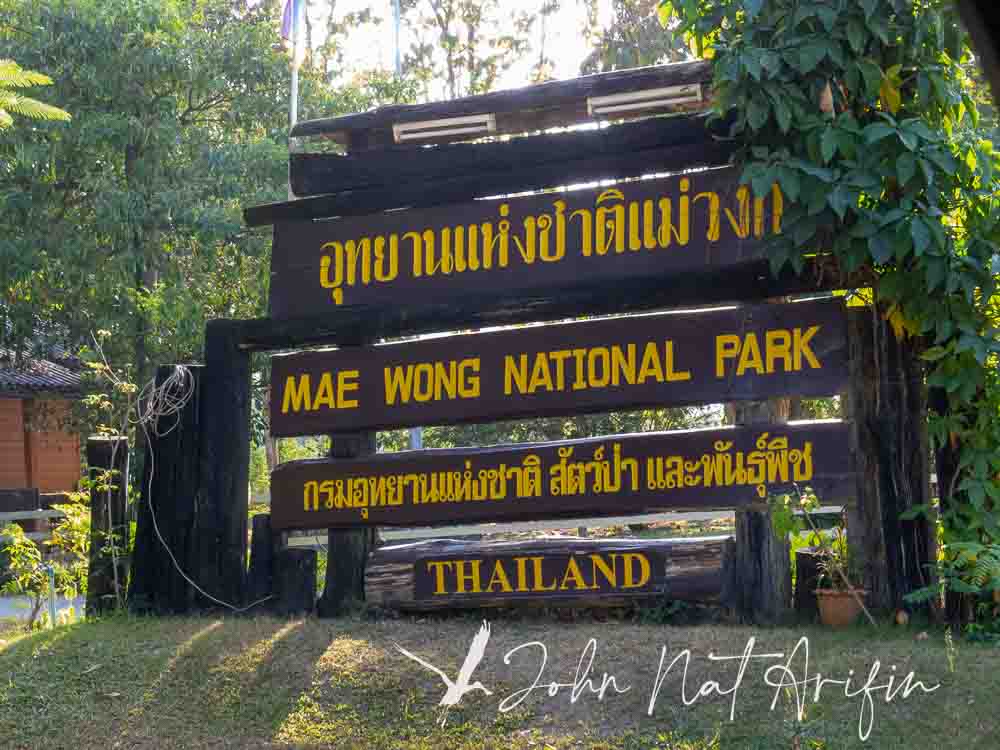
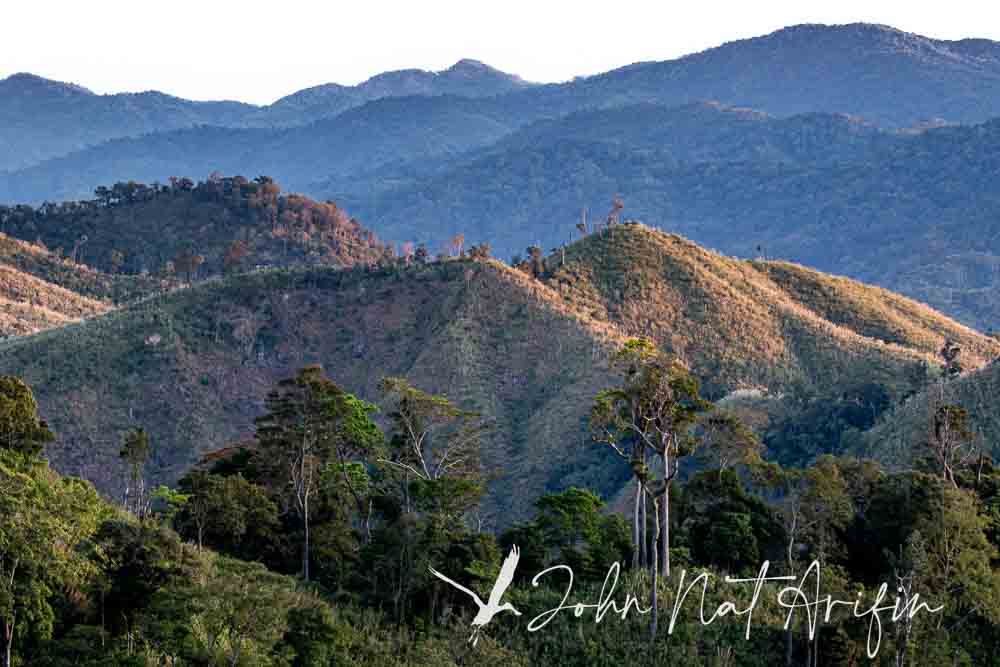
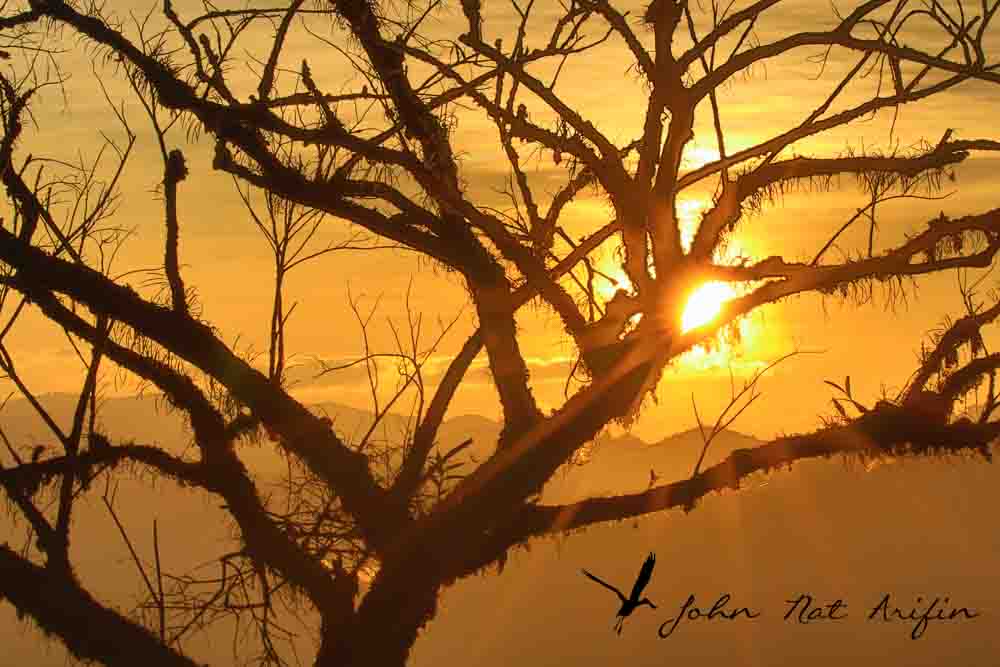
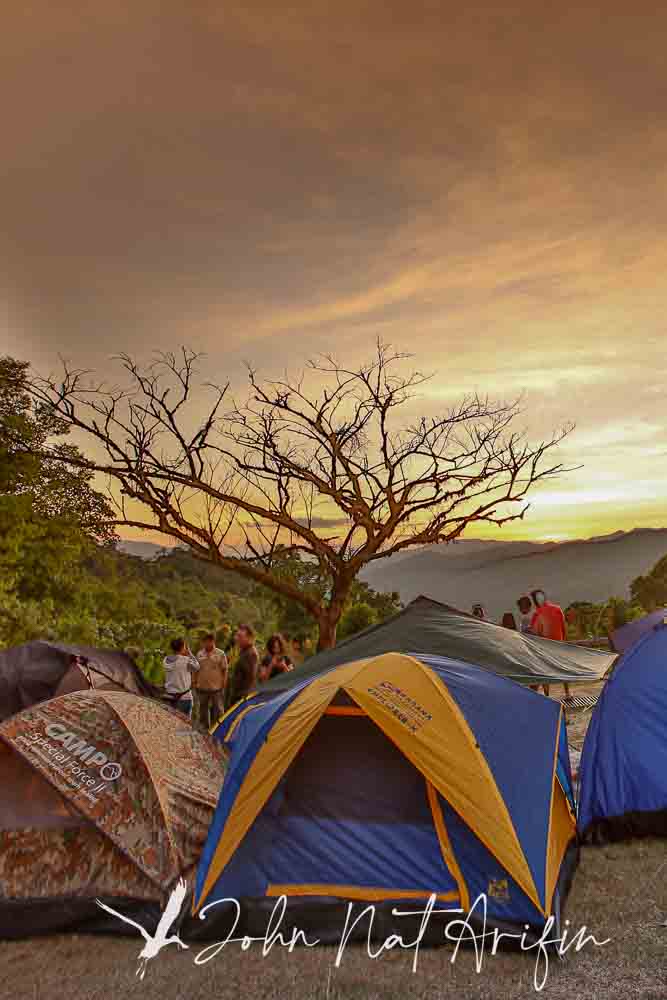
Mae Wong National Park was my first major stop on the journey north from Bangkok. The park is well known among birdwatchers for its forest birds, particularly pheasants, laughingthrushes and other elusive mountain species.
I spent several nights exploring the park, beginning with an overnight stay at the Park Headquarters bungalow. For my next night, I moved further into the mountains to Chong Yen Summit Lodge.

The drive towards Chong Yen was an experience in itself. The road climbs through increasingly dense forest, eventually reaching the mountain summit area. Temperatures at night could fall to around 15°C. There was no heating in the accommodation, so bringing sufficiently warm clothing is important.
Birding at Chong Yen Summit Camp
Mae Wong national Park
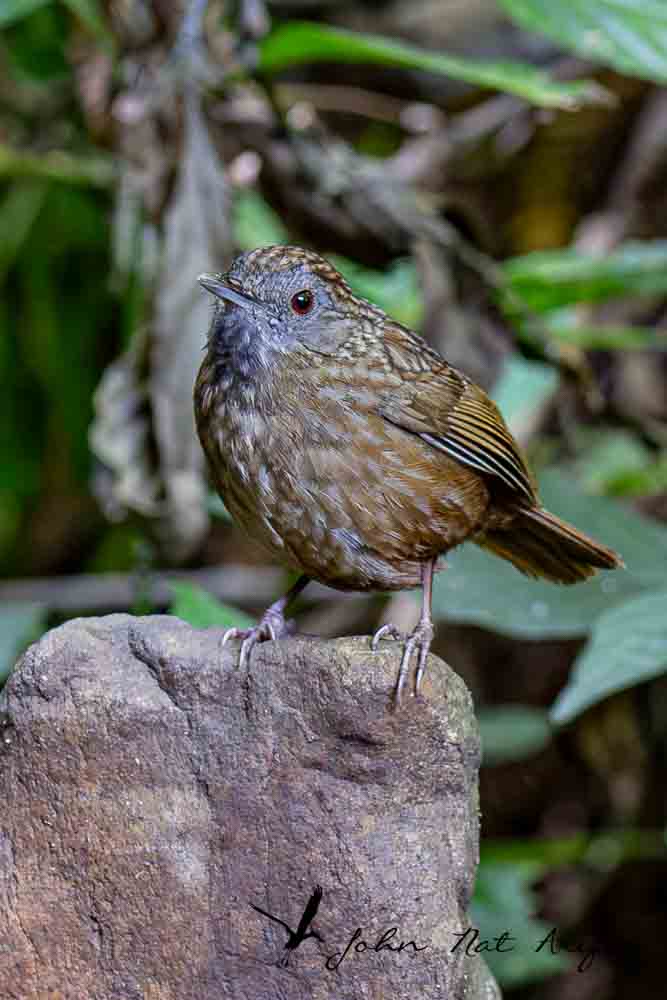
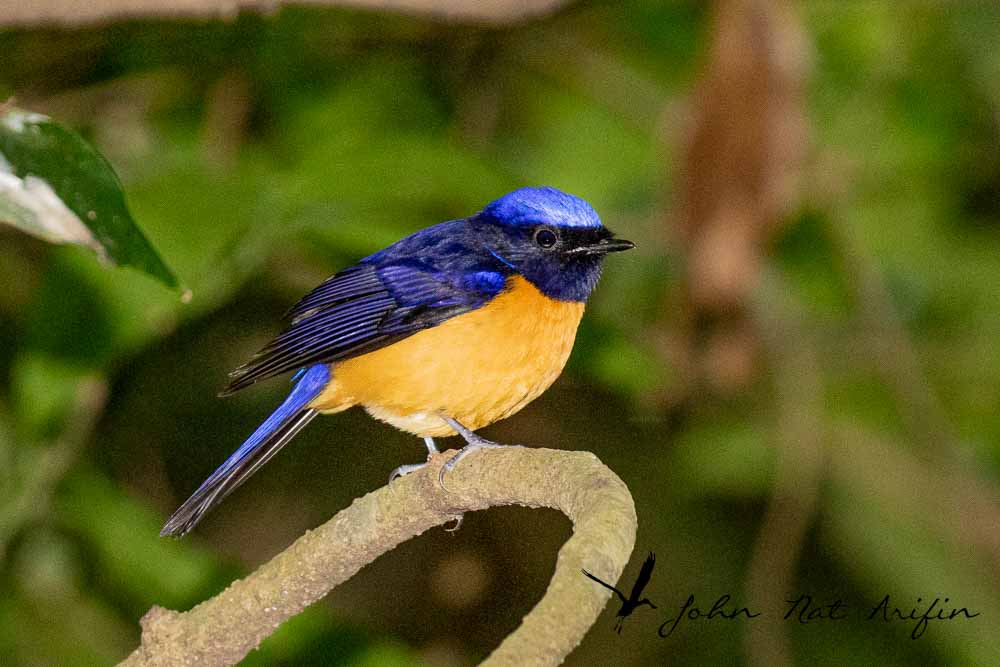
May Wong National Park
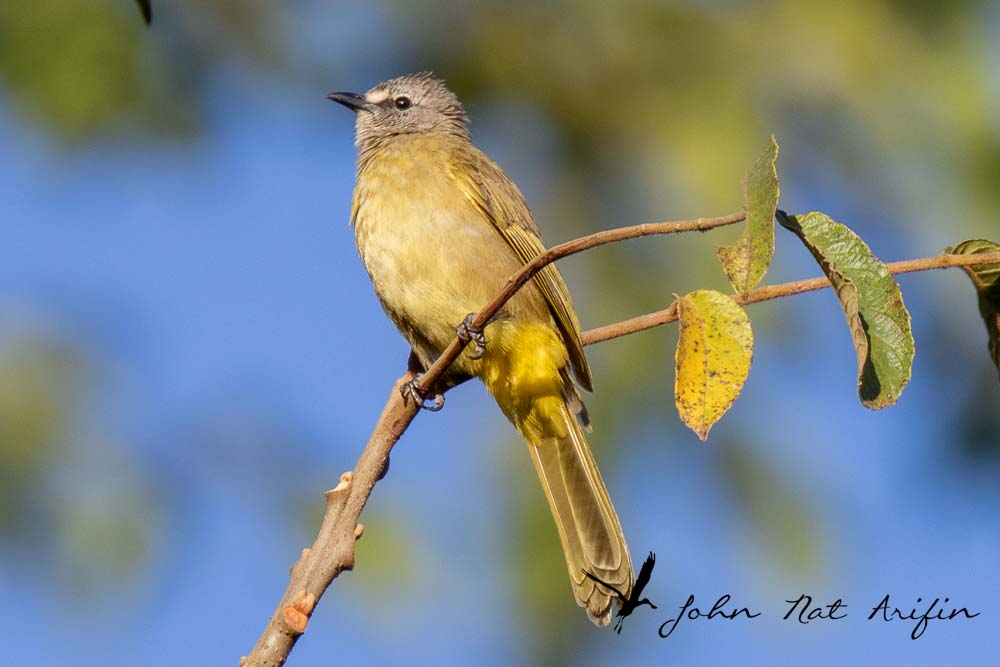
Mae Wong National Park
I arrived at the summit camp at approximately 7:15 am, hoping to encounter some of the forest birds moving through the area. The early morning hours are particularly productive, when birds are more active and the forest begins to come alive.
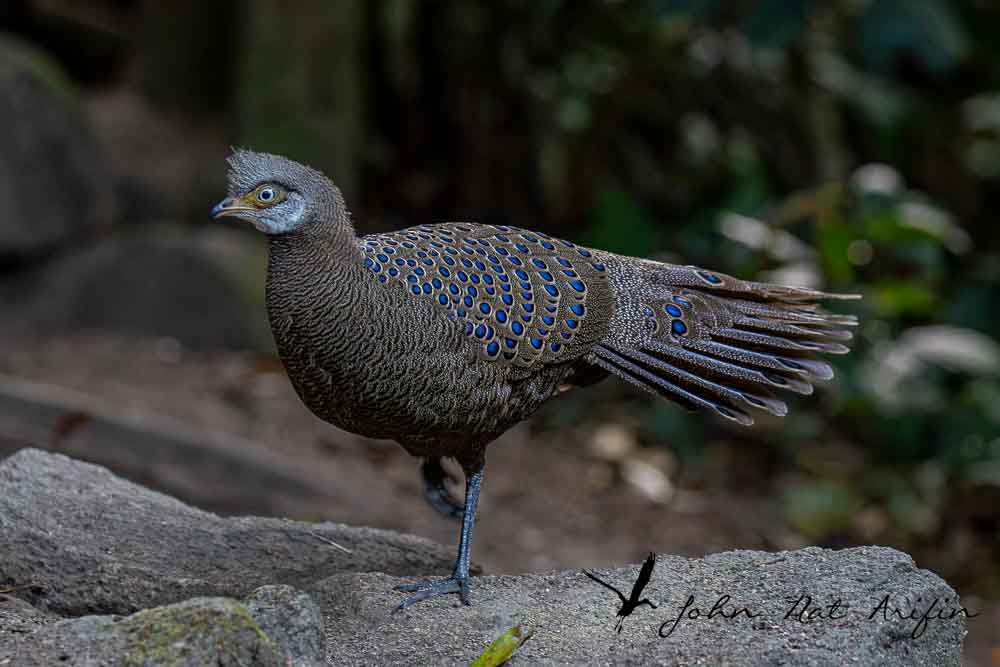
One of my main objectives at Mae Wong was to photograph the Grey Peacock-Pheasant. This beautiful forest pheasant is notoriously difficult to locate, and patience is essential.
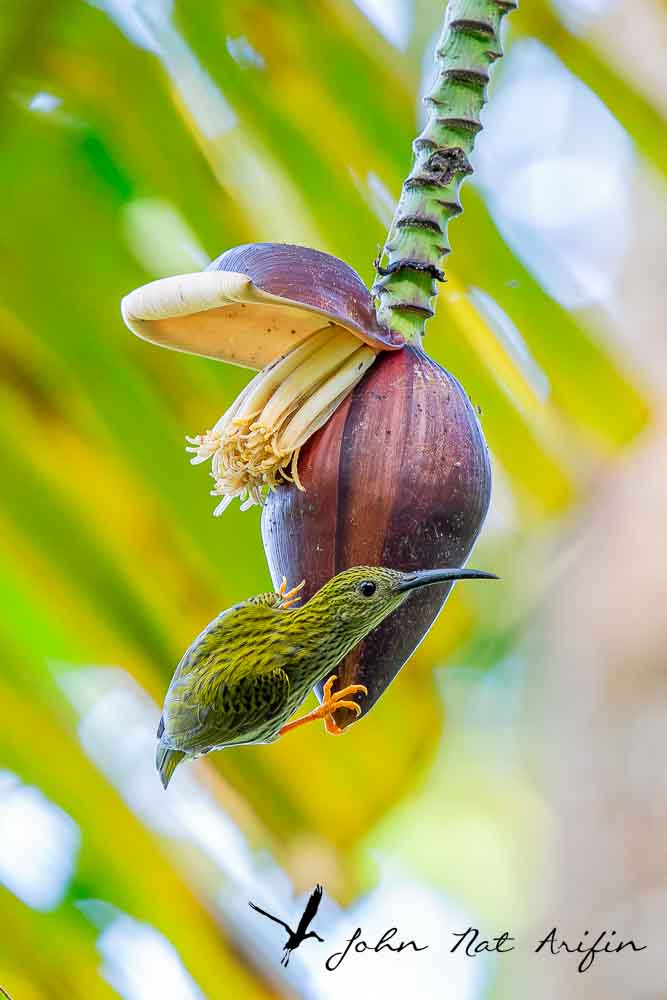
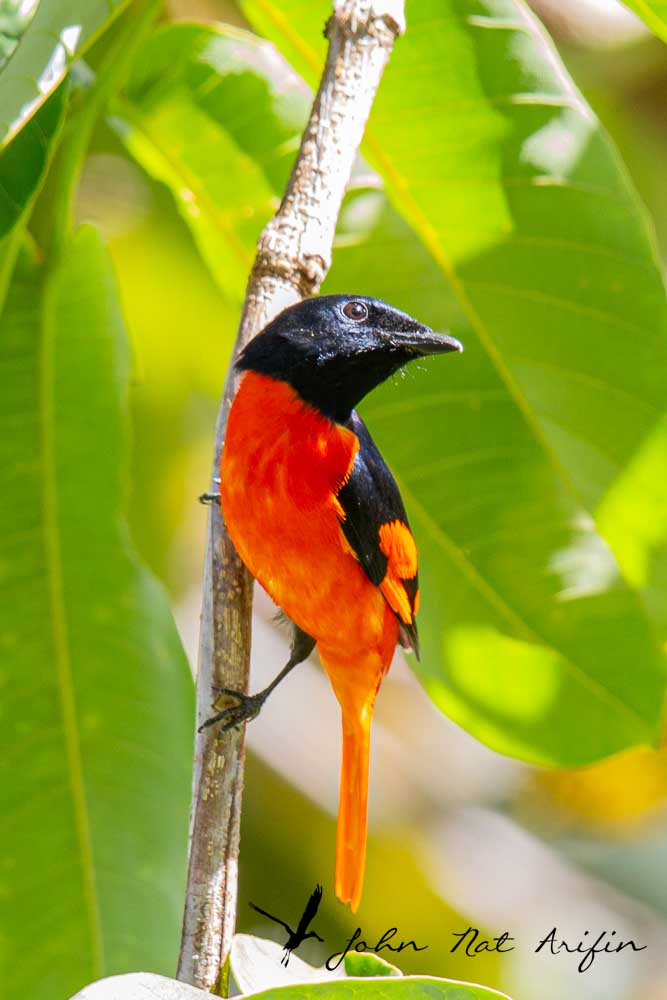
Among the birds encountered were the Grey Peacock-Pheasant, Streaked Spiderhunter, Blue-bearded Bee-eater and scarlet minivets.
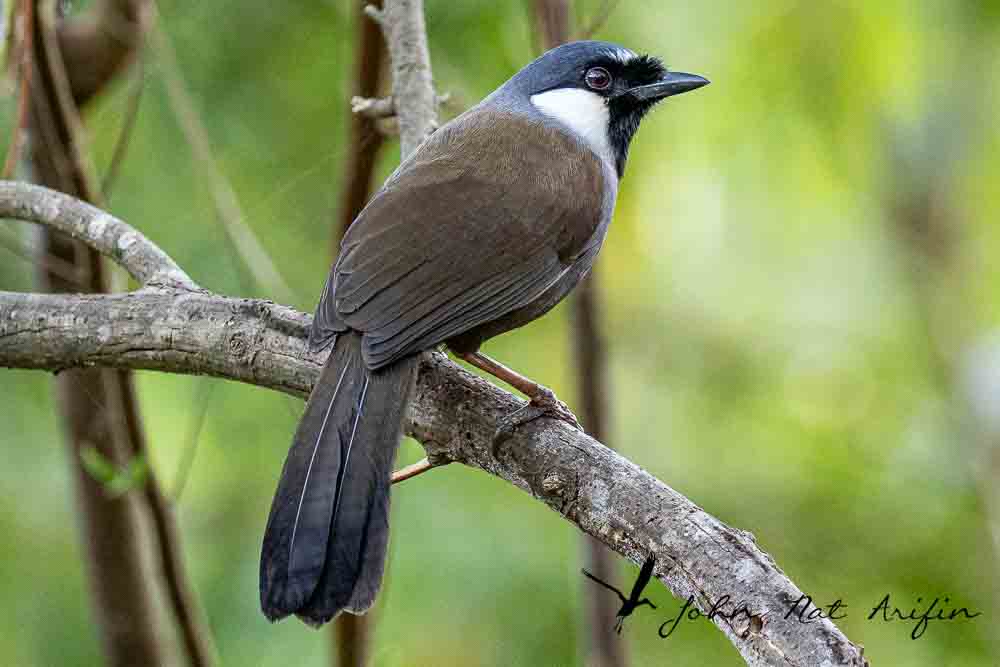
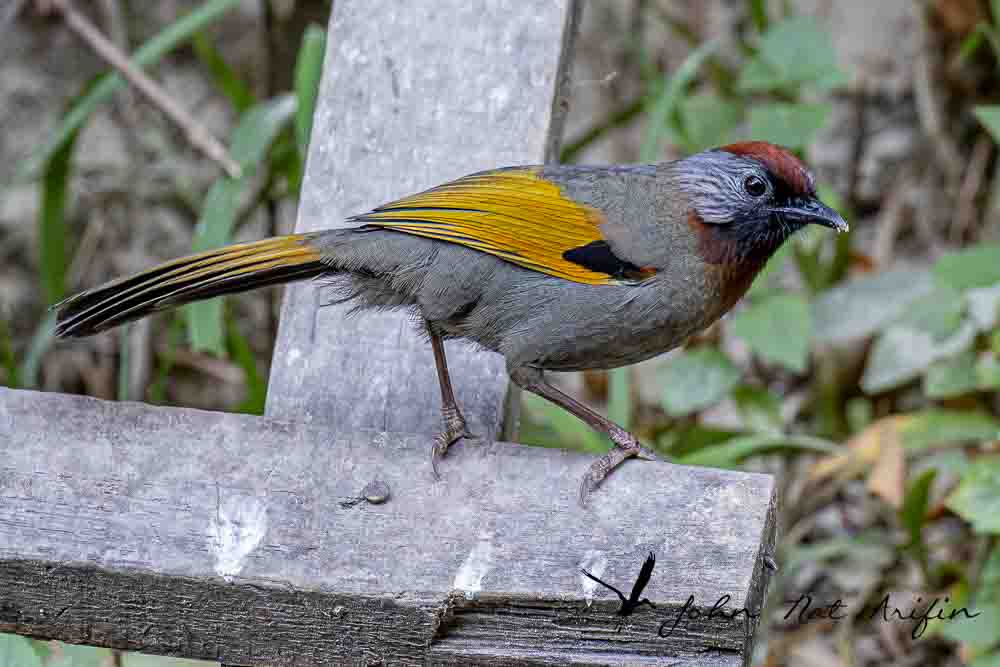
The surrounding forest, especially near the ranger station also provides opportunities to look for laughingthrushes and other shy forest species.
Birding Around Park Headquarters
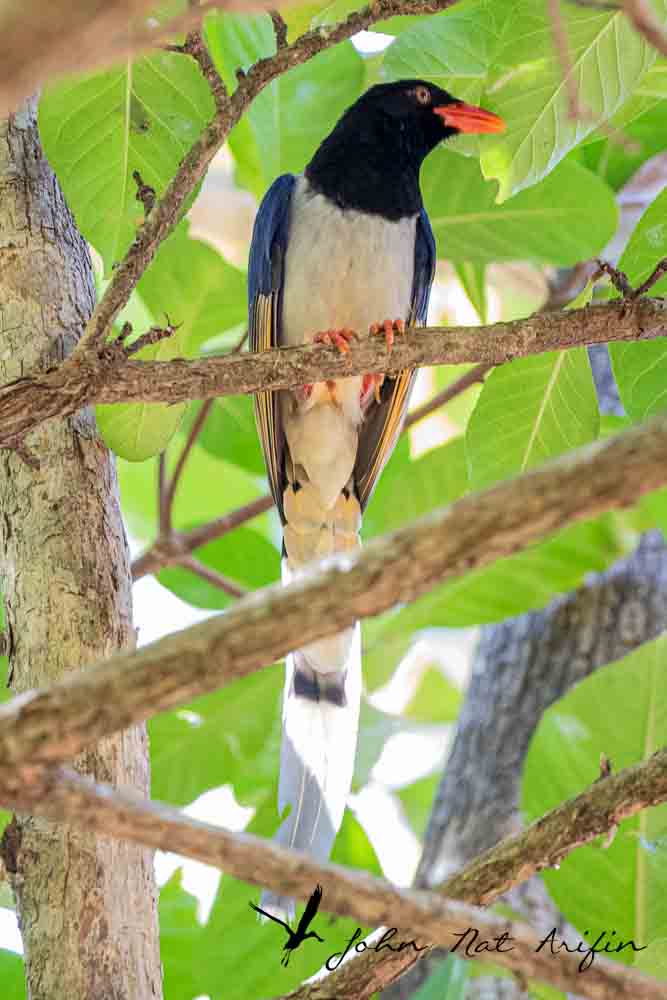
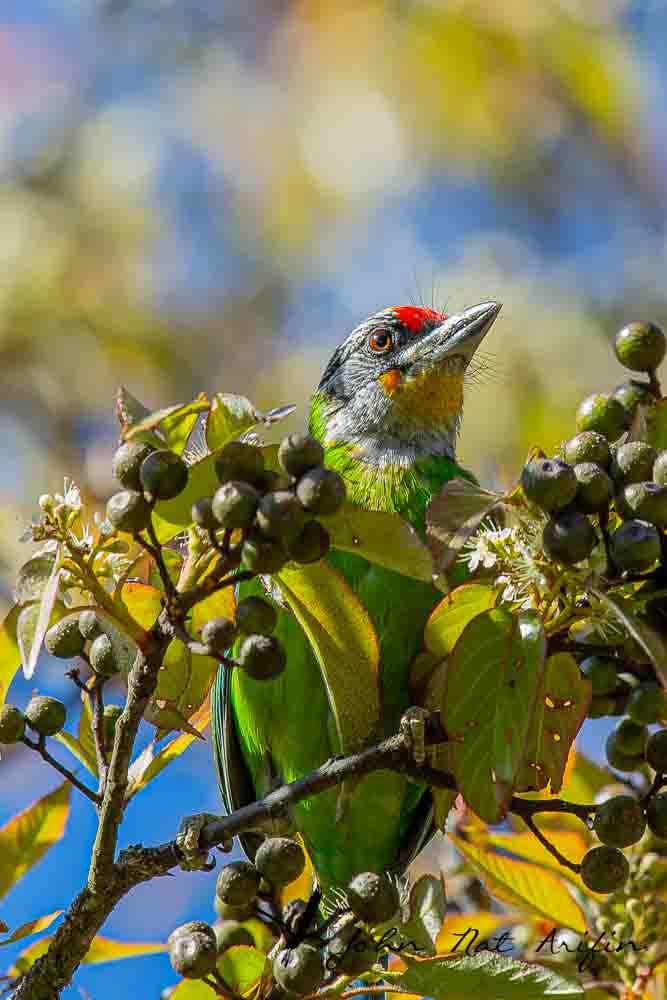
The area around the park headquarters offers a different birding experience. I also explored the forest and surroundings here, where sightings included Green-eared Barbet, Black-crested Bulbul, White-crowned Forktail and Red-billed Blue Magpie.
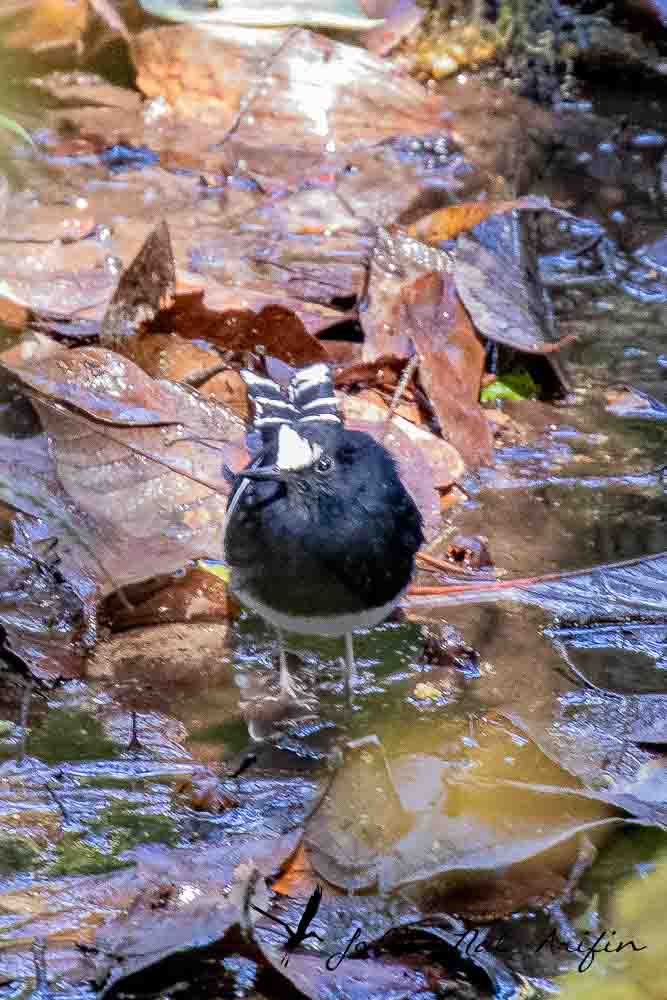
The White-crowned Forktail was particularly interesting to photograph, especially in the forest streams and shaded surroundings.
Mae Wong is a destination where patience and persistence are important. Some birds may appear unexpectedly, while others require repeated visits and careful observation.
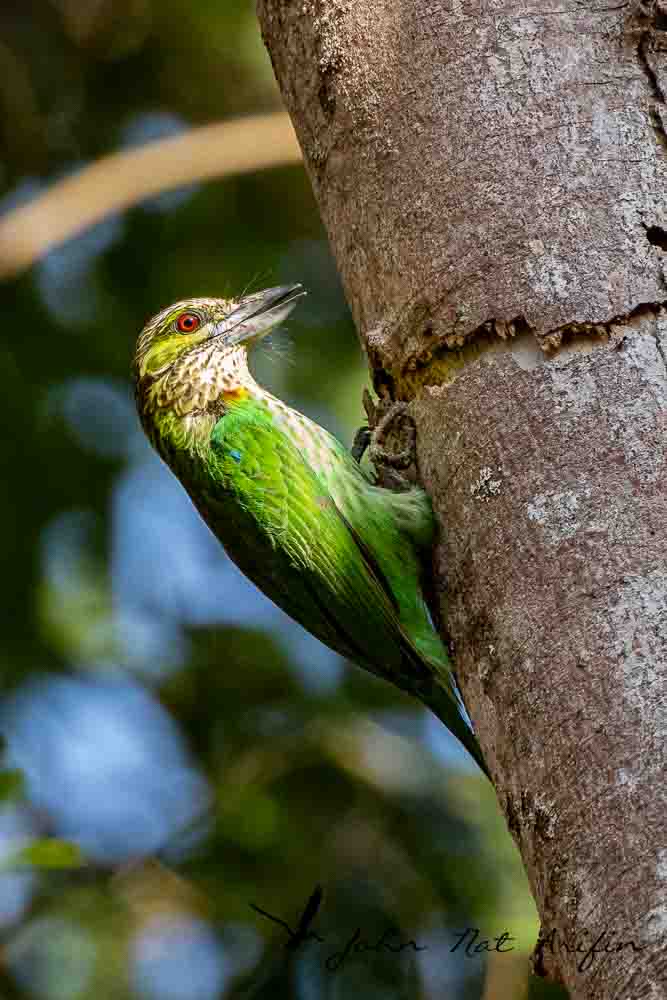
Mae Wong National Park, Thailand
Doi Inthanon National Park: Birding Thailand’s Highest Mountain
From Mae Wong, I continued my journey towards Chiang Mai and Doi Inthanon National Park.
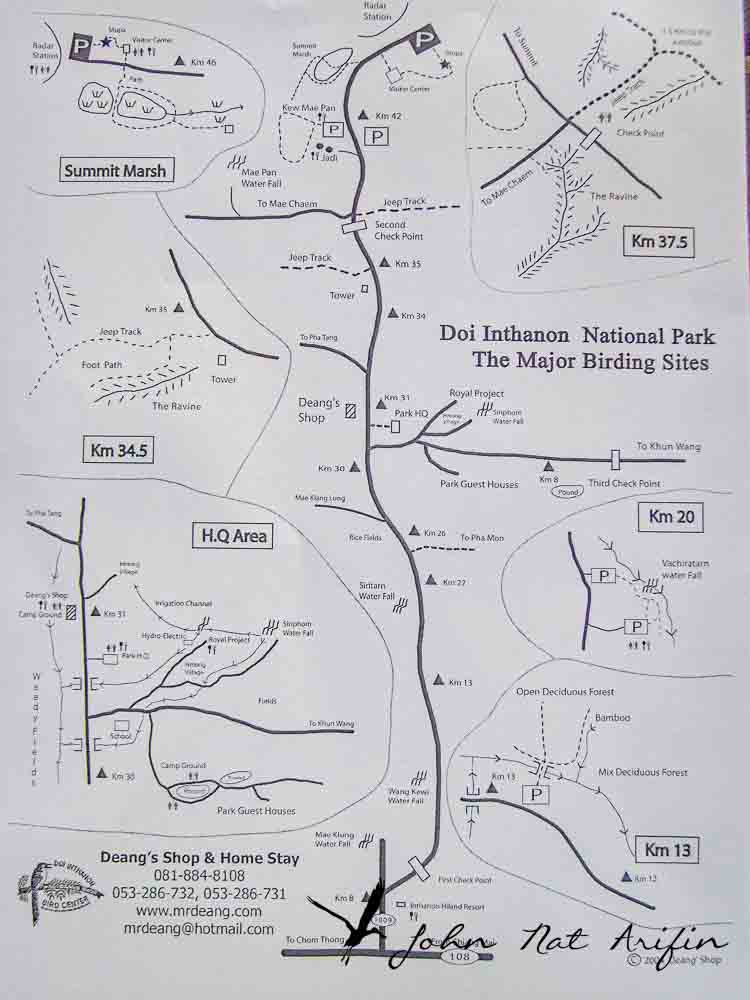
At approximately 2,565 metres, Doi Inthanon is Thailand’s highest mountain and one of the country’s most popular birding destinations.The mountain offers several distinct habitats, from lower-elevation woodland to cool montane evergreen forest near the summit. This variation makes it possible to photograph a remarkable range of bird species within a relatively small geographical area.
Summit Café: A Convenient Bird Photography Location
During my earlier visits, I stayed outside the national park in Chom Thong and drove into the park each morning. On subsequent visits, I discovered Deang Place, located opposite the park headquarters.
I particularly enjoyed staying there. The accommodation was pleasant, the hospitality welcoming and the food good. It also became a convenient meeting place for birdwatchers, especially in the evenings when photographers and birders gathered for dinner and shared information about recent sightings.
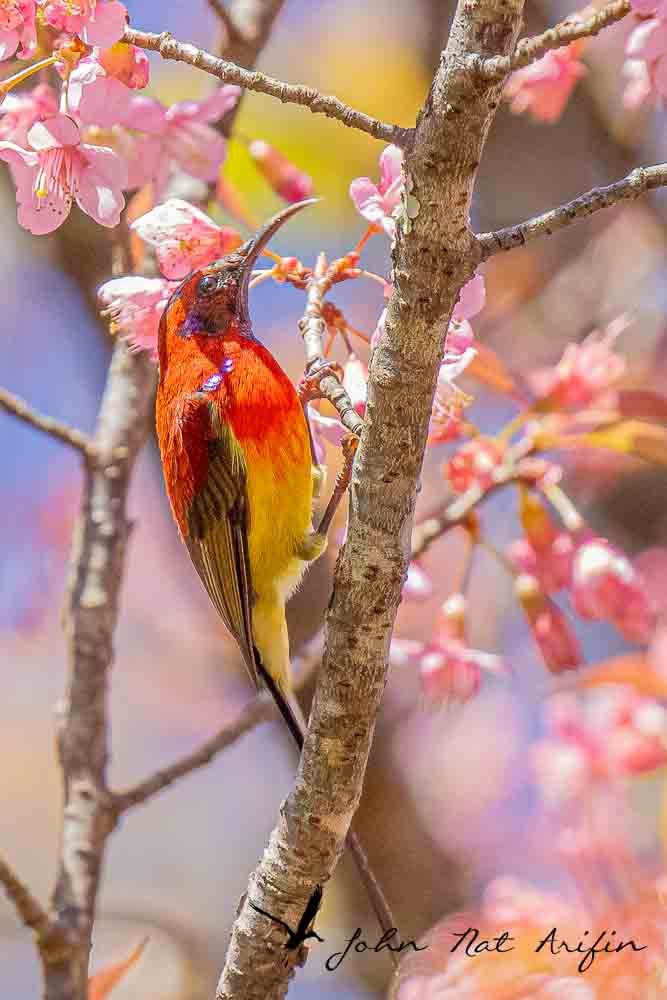
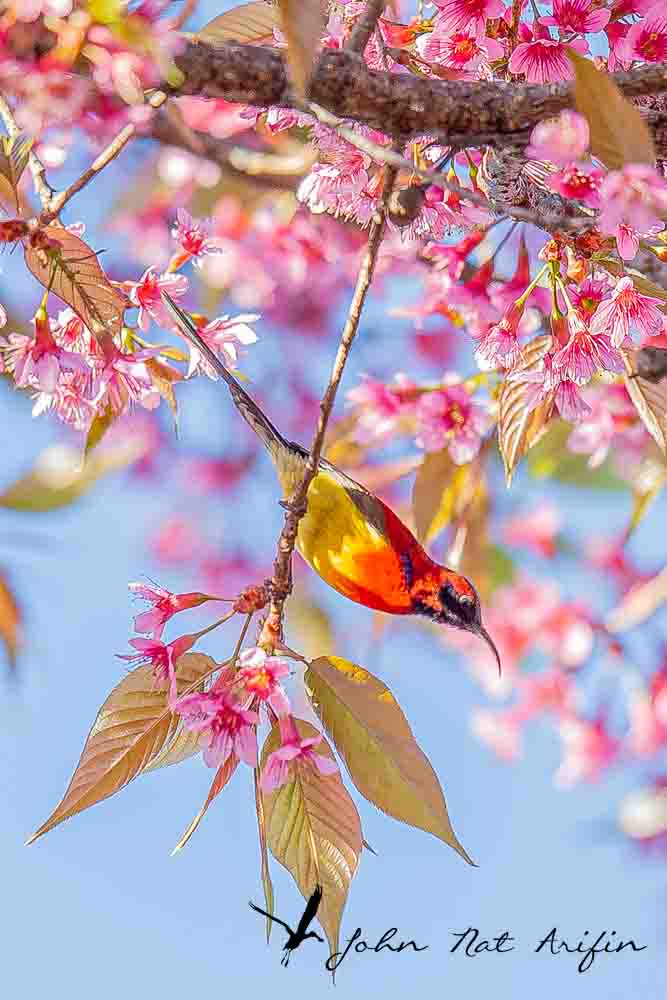
Gould’s Sunbird photographed among cherry blossoms at Doi Inthanon National Park.
The Summit Trail: Exploring the Montane Forest
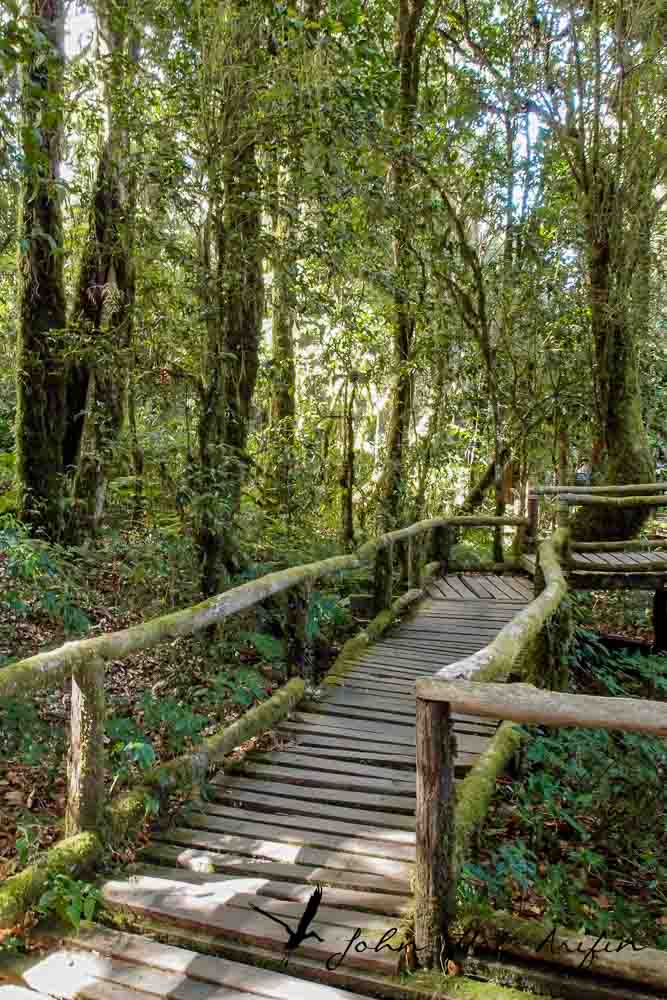
The Summit Trail is one of the essential birding locations at Doi Inthanon.
The cool, moist evergreen forest provides excellent opportunities to photograph high-altitude forest birds. Walking slowly along the trail and watching the vegetation carefully can produce rewarding encounters.
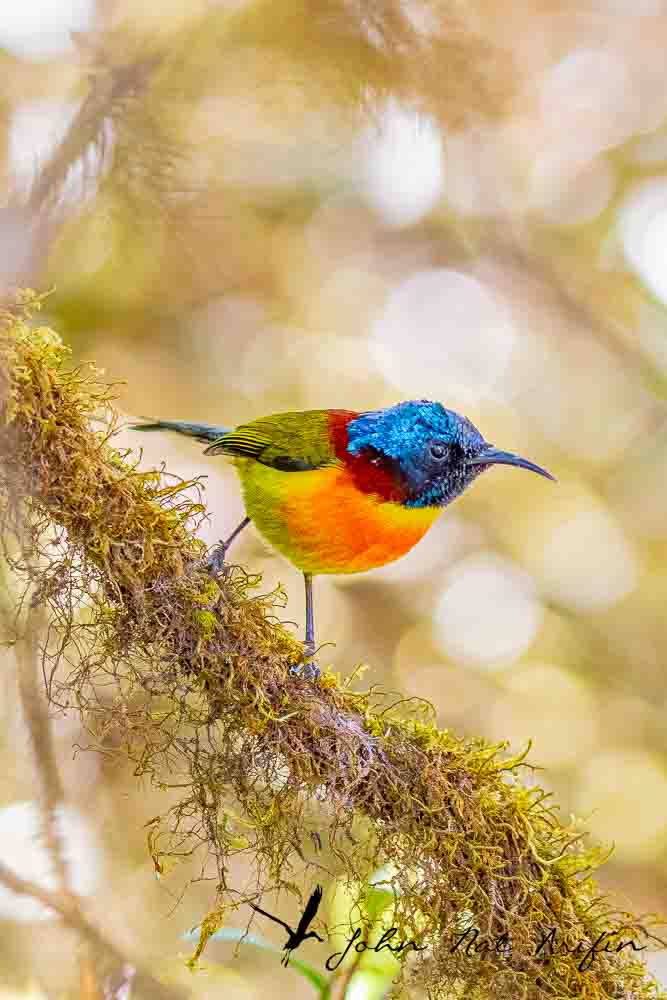
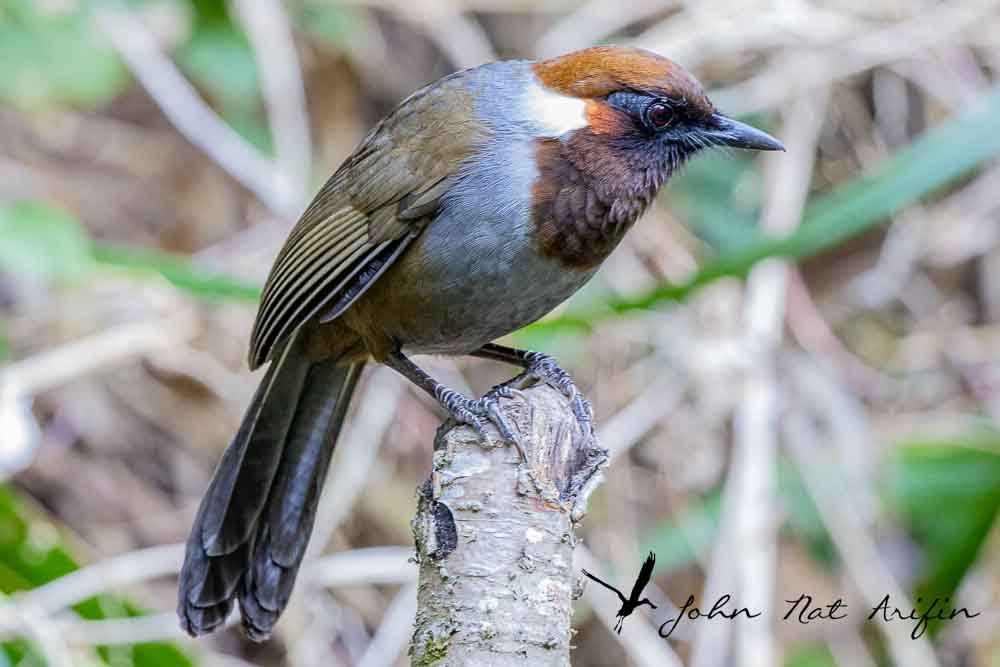
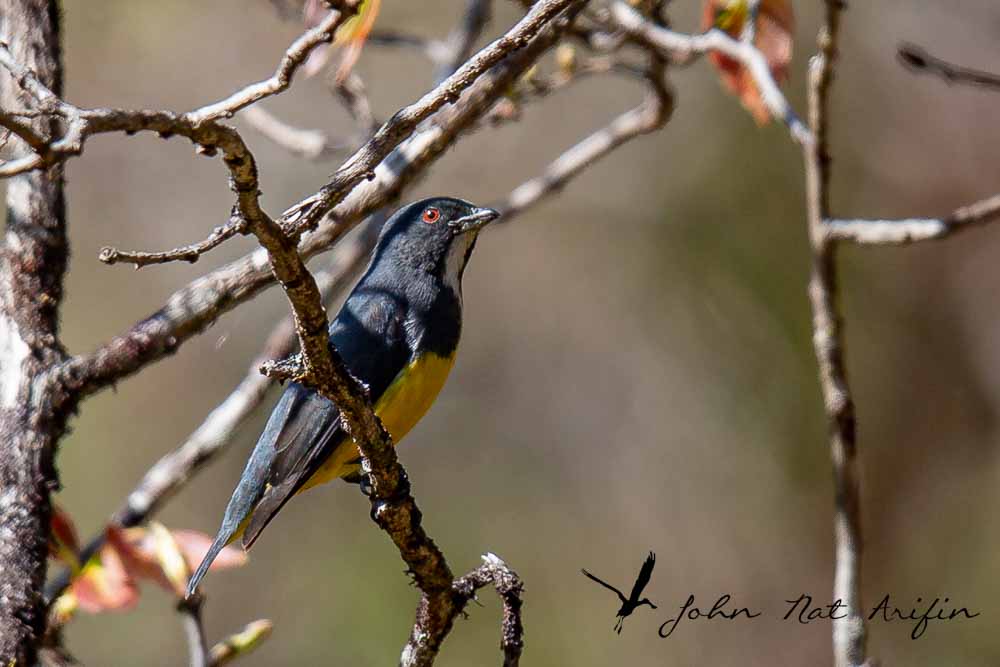
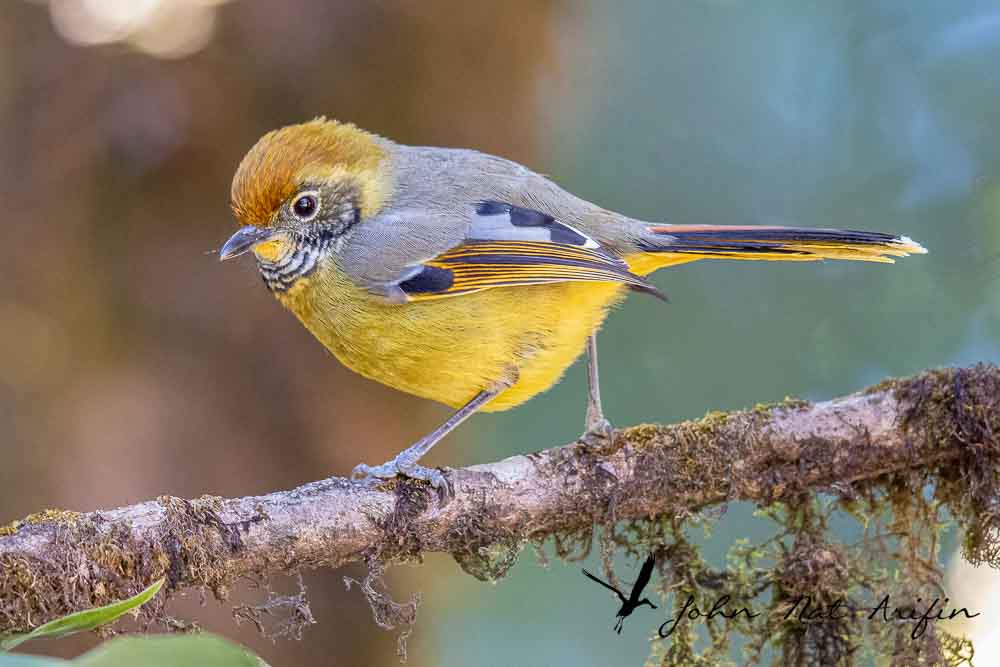
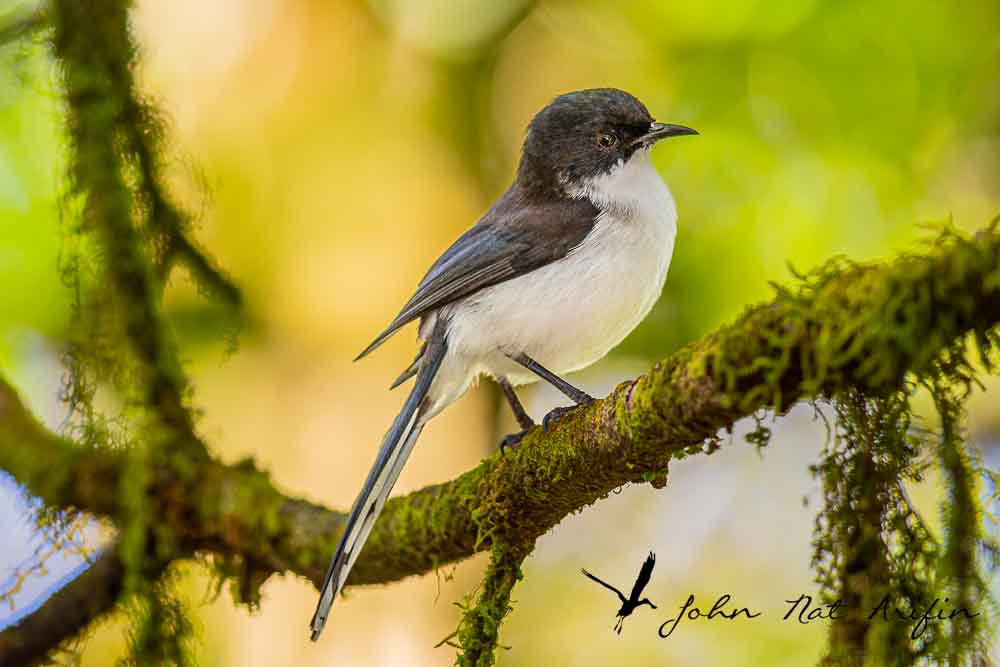
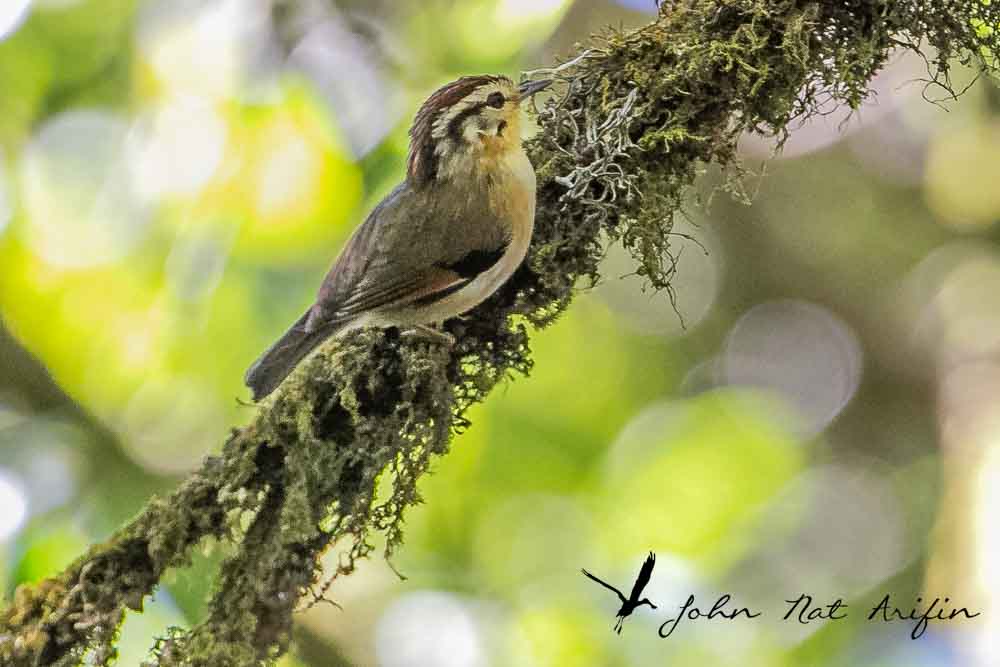
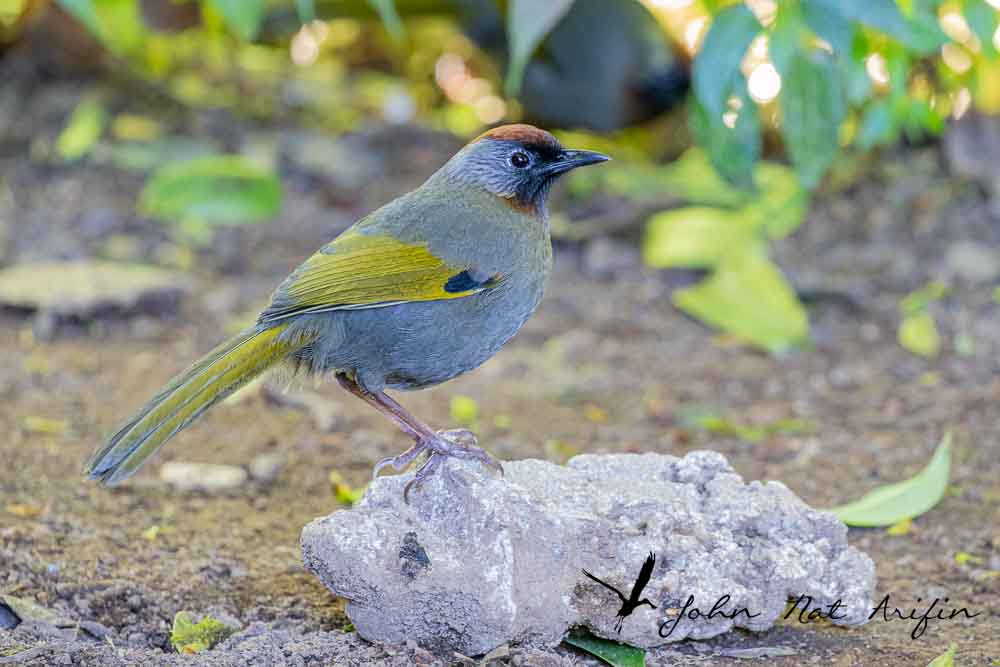
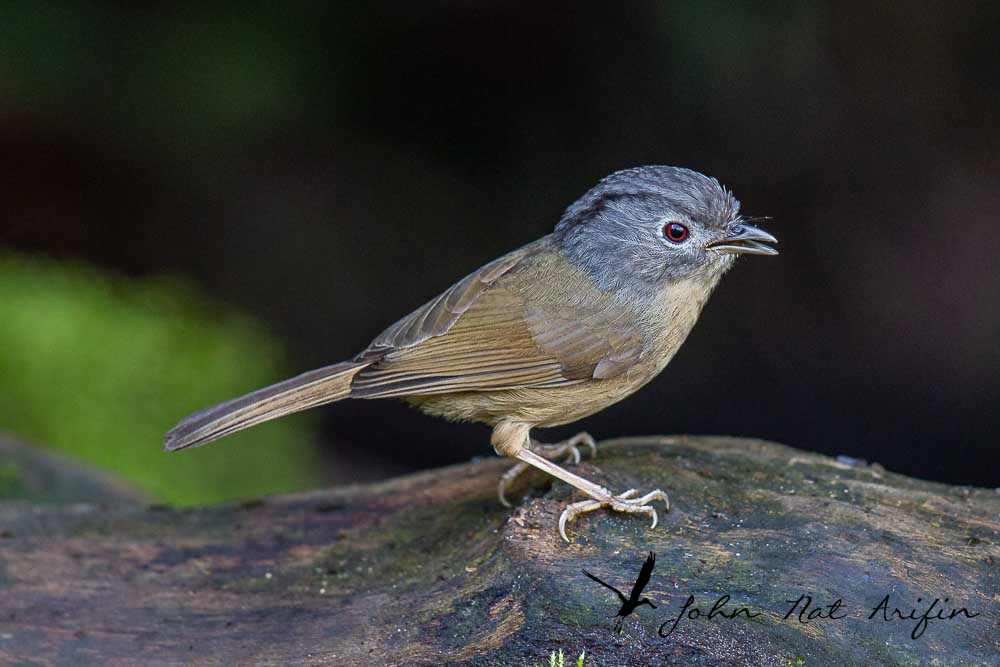
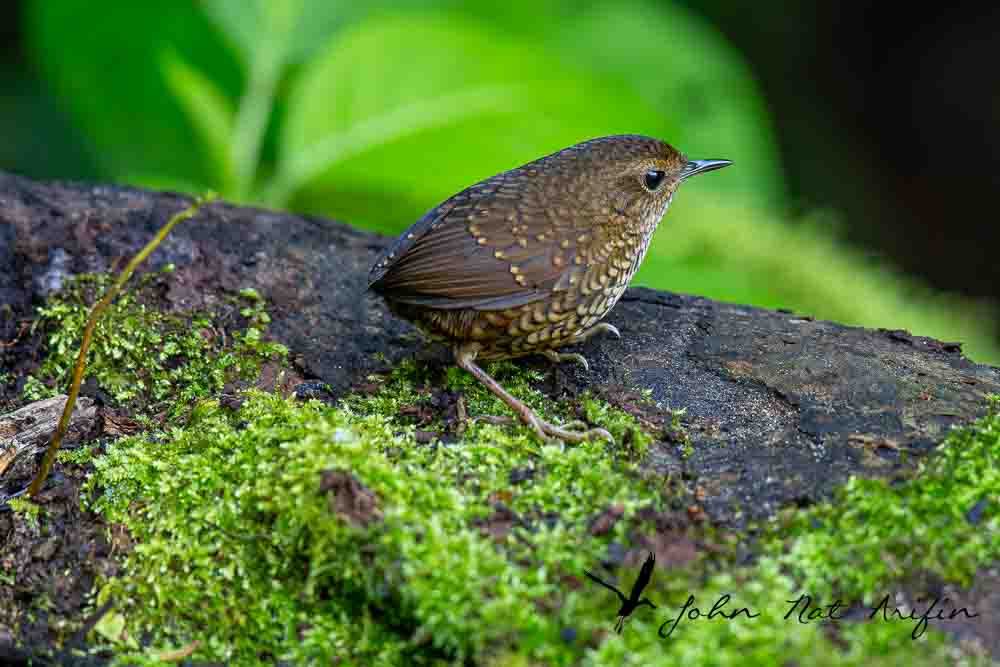
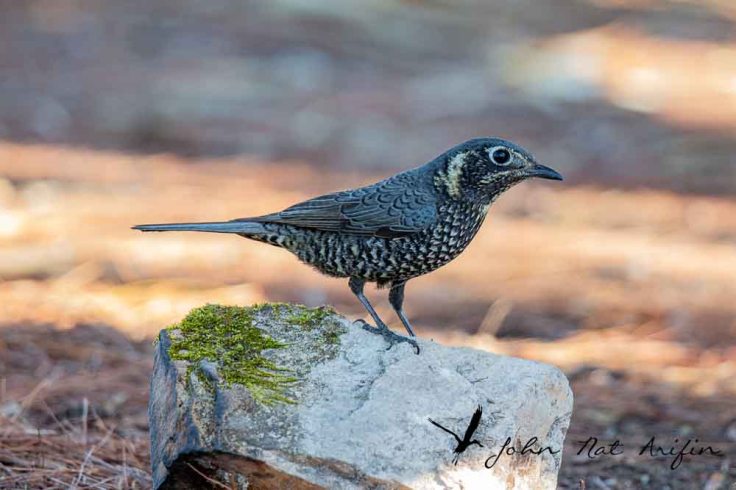
Some of the birds I photographed included Green-tailed Sunbird, Yellow-bellied Flowerpecker, Chestnut-crowned Laughingthrush and White-crowned Forktail.
The forest floor is particularly interesting. On one occasion, I observed a White-crowned Forktail and a Chestnut-crowned Laughingthrush moving around the shaded forest floor.
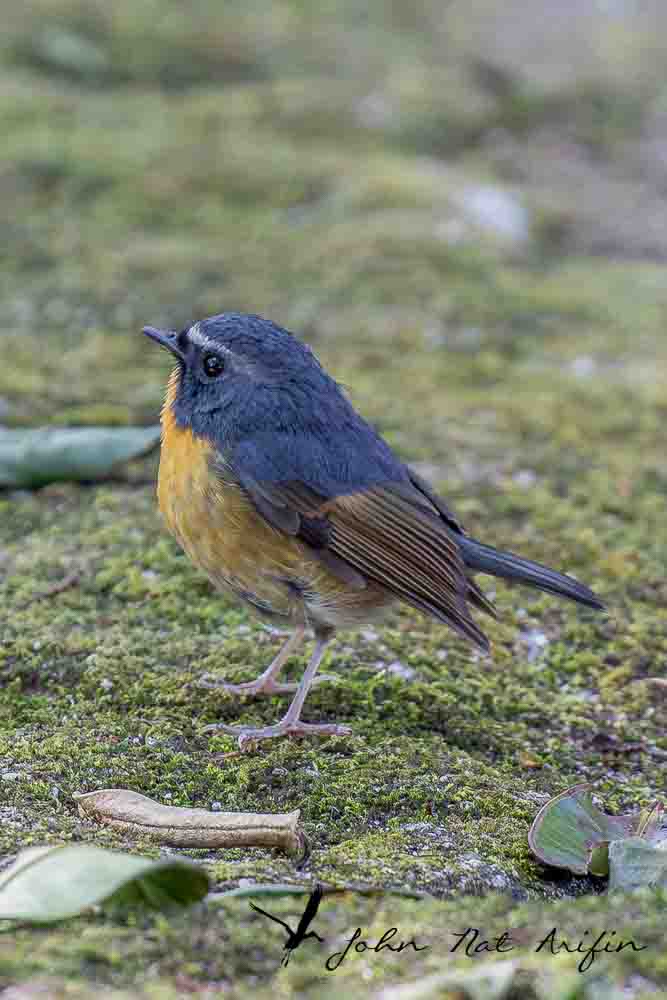
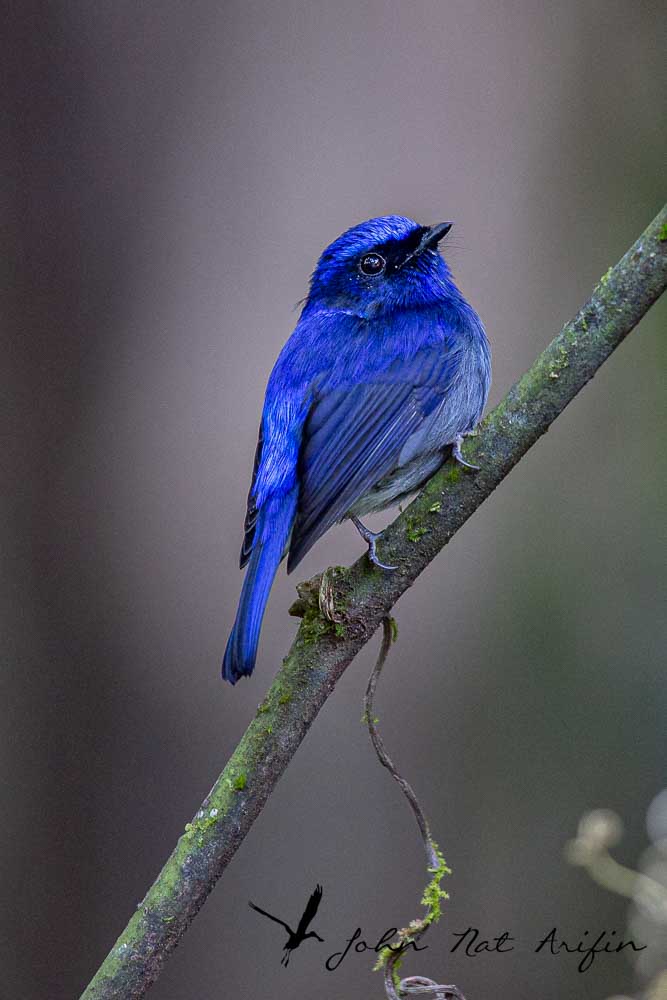
Snowy-browed Flycatcher is another attractive species to look for in this habitat.
The Summit Trail is not necessarily about covering a long distance. I find that spending time in a particular section of forest and observing bird activity often produces better photographic opportunities than walking too quickly.
Slipper Orchid Park: Cherry Blossoms and Birds
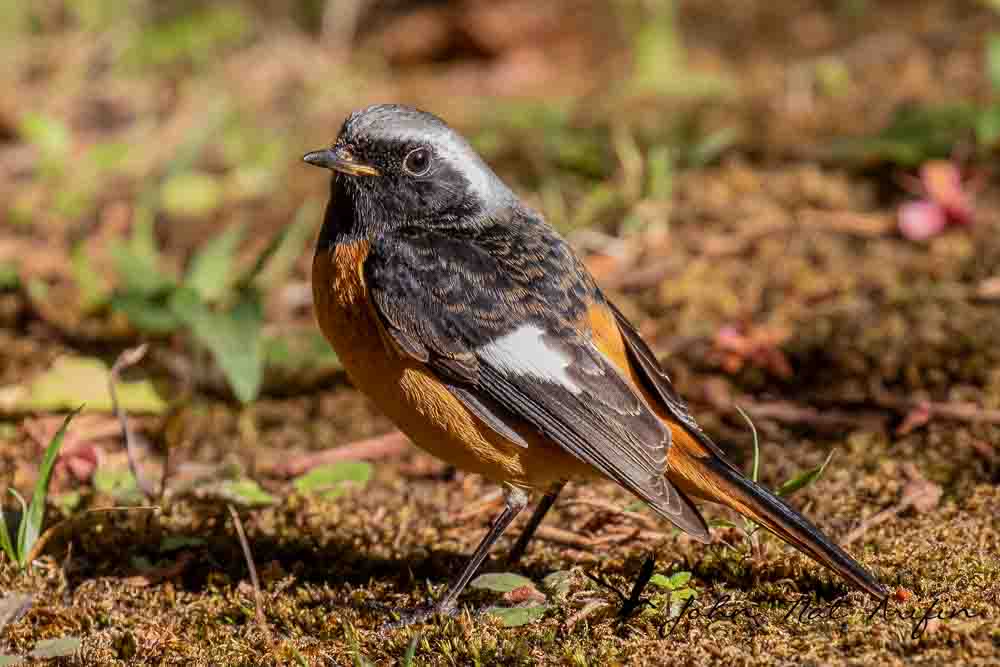
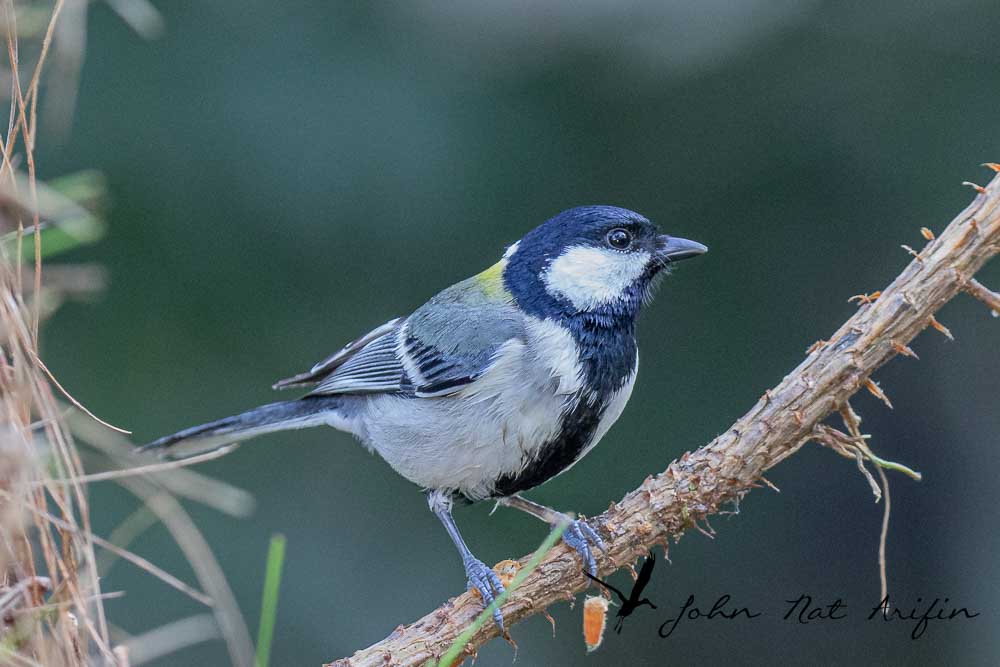
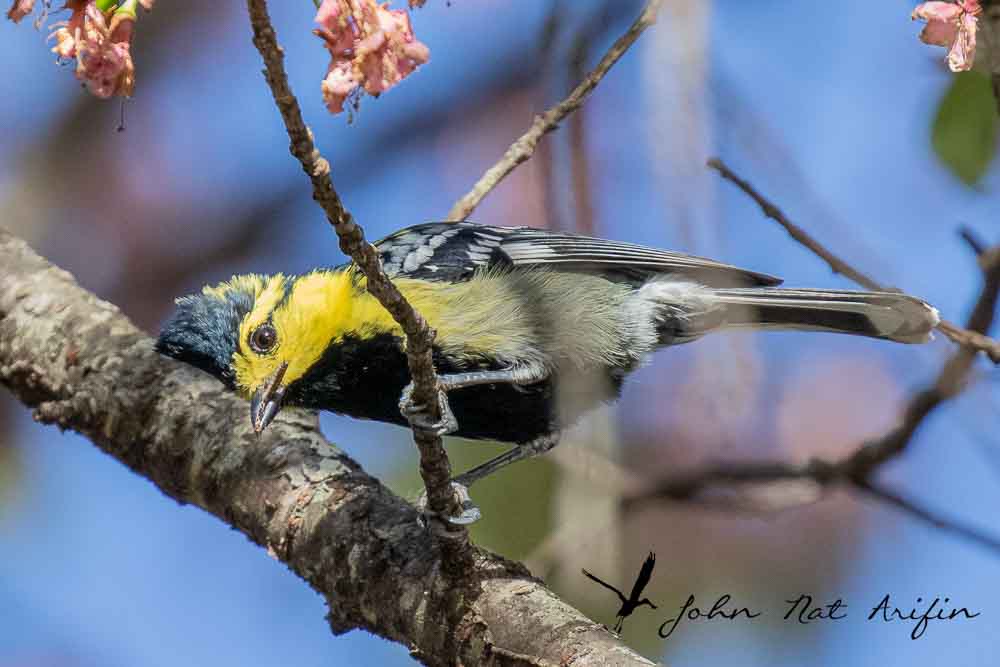
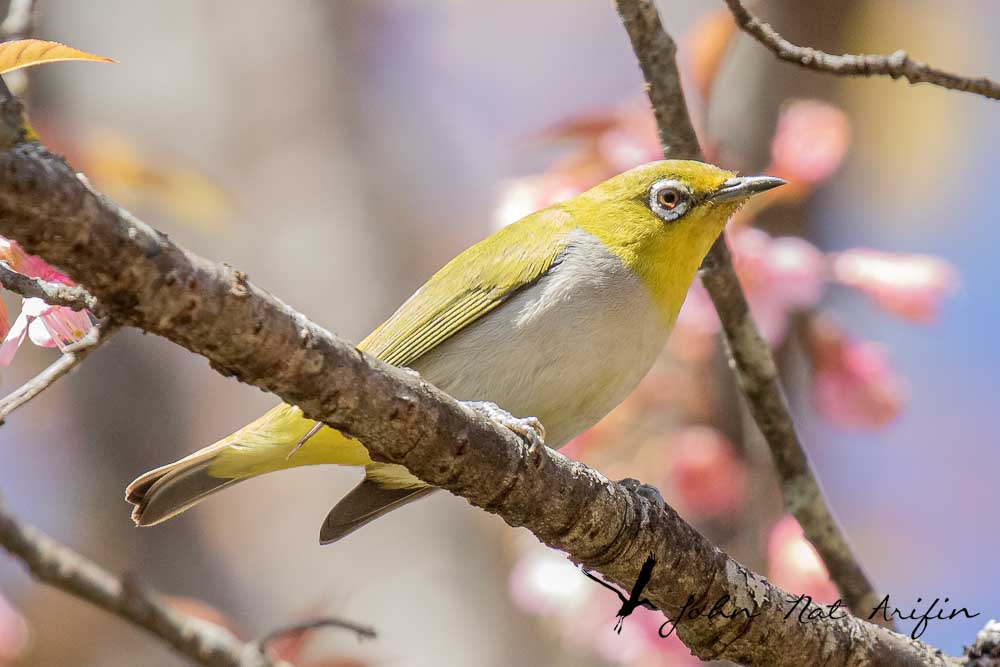
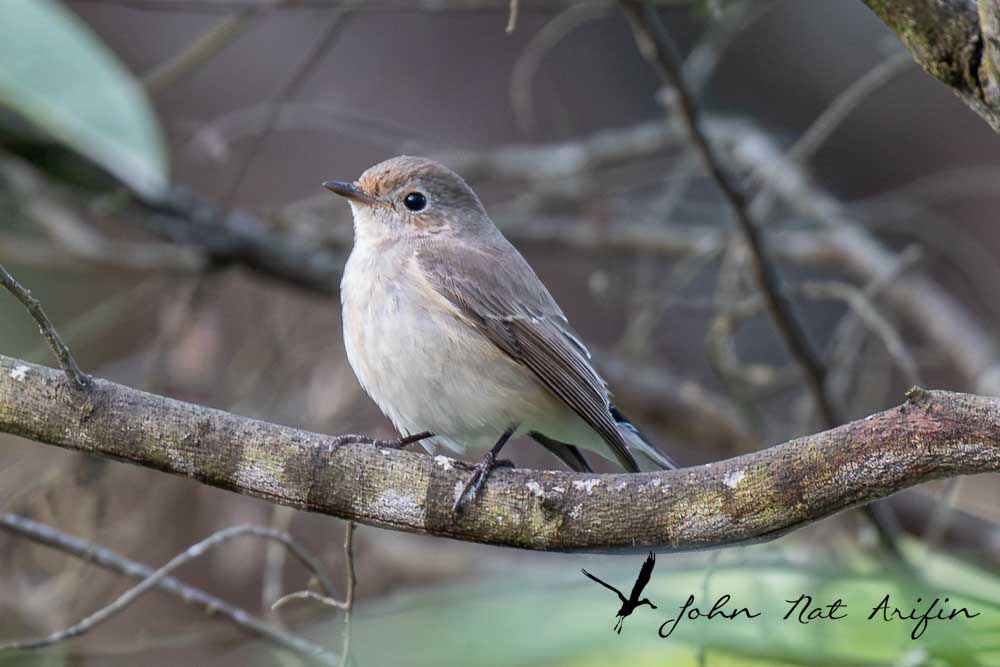
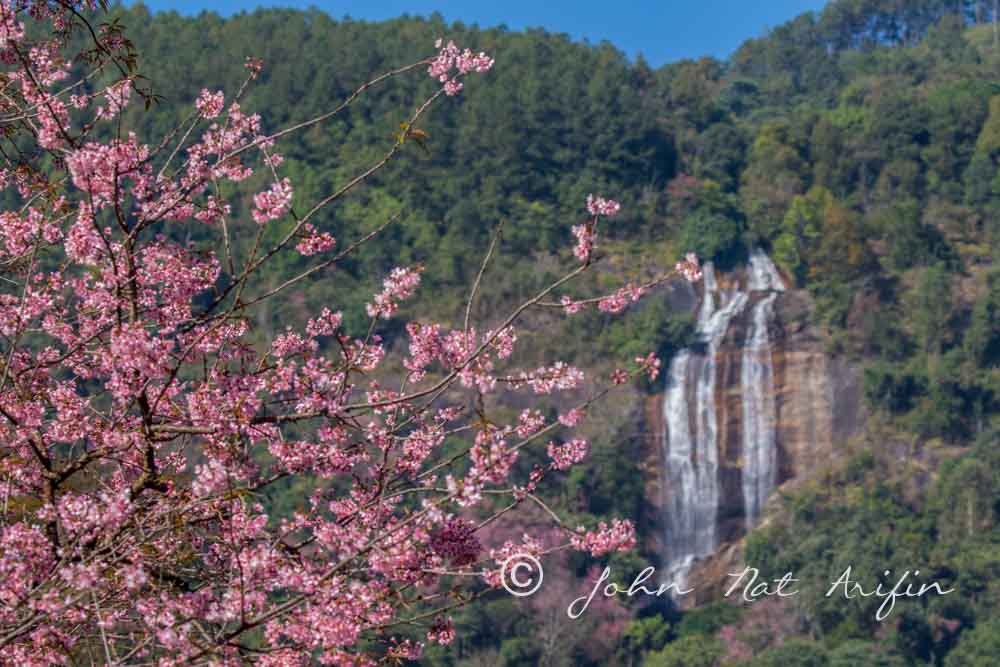
One of the highlights of visiting Doi Inthanon in January is the opportunity to enjoy the seasonal cherry blossoms.
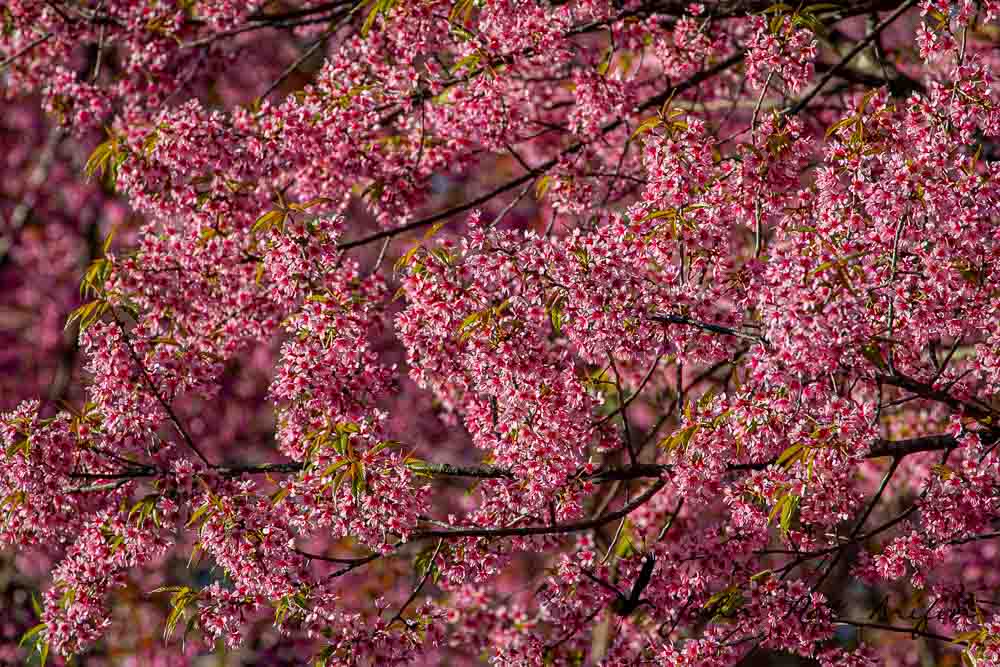
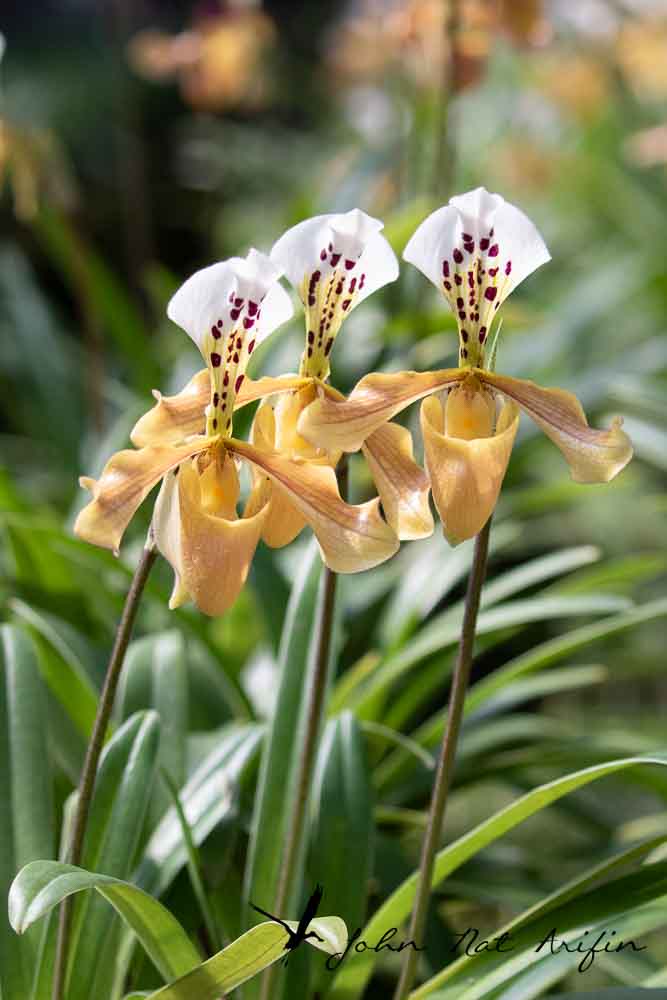
Slipper Orchid Park is a particularly attractive place to visit. Besides its collection of slipper orchids, the area offers beautiful flowering trees that create a colourful landscape during the winter season.
I particularly enjoyed visiting in the late afternoon, around 4 pm, when the softer sunlight made the gardens especially pleasant for photography.
The flowering trees also attract birds. Among the species I encountered were Gould’s Sunbird, white-eyes, tits and Daurian Redstart.
For photographers, this is an excellent opportunity to combine bird photography with floral and landscape photography.
The surrounding trees and vegetation attract several bird species, making it a convenient place to stop for refreshments while continuing to photograph birds.
Some of my sightings here included Yellow-bellied Flowerpecker, Chestnut-tailed Minla, Black-headed Sibia, Blue Whistling Thrush, Black-crested Bulbul and Ashy Drongo.
I also encountered warblers moving through the vegetation.
The café is a useful location for bird photographers because it allows you to take a break while keeping an eye on bird activity nearby.
Waterfalls: A Different Birding Environment
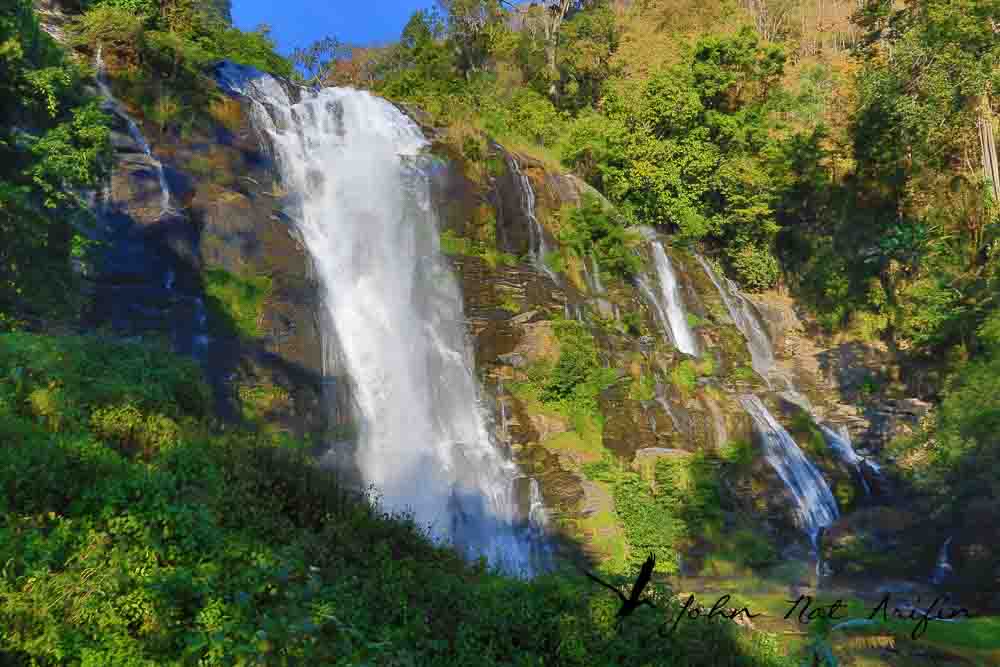
Doi Inthanon is also famous for its waterfalls. Wachirathan Waterfall is one of the largest and most impressive waterfalls in the park. It can become quite busy with visitors, but the surrounding environment is still worth exploring for birds.
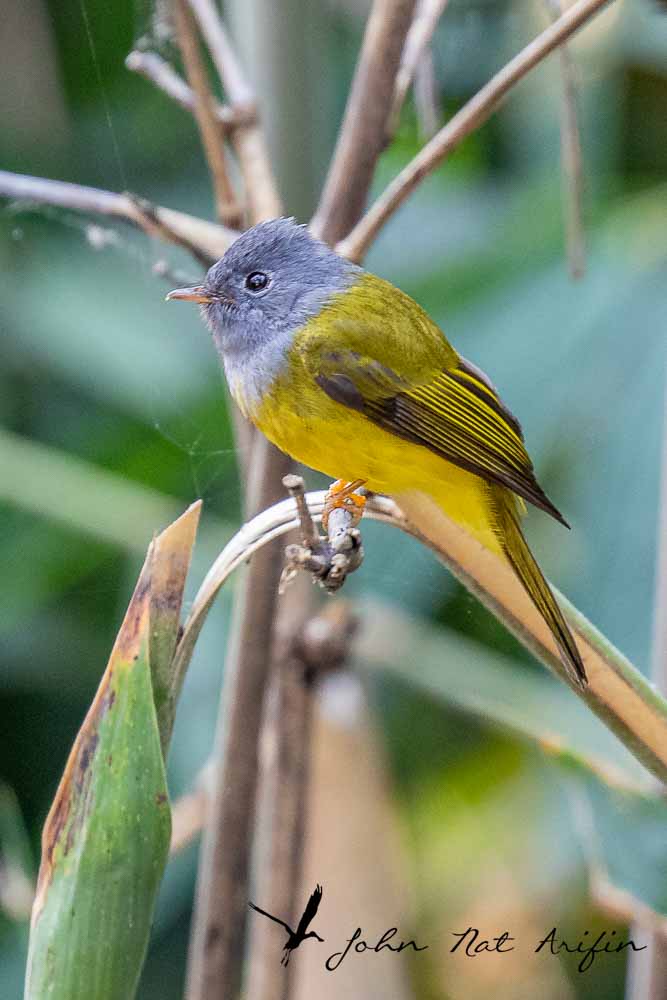
Some of my sightings included White-capped Redstart, Plumbeous Water Redstart, Blue Whistling Thrush, Grey-headed Flycatcher, Bronzed Drongo and Blue-winged Leafbird.
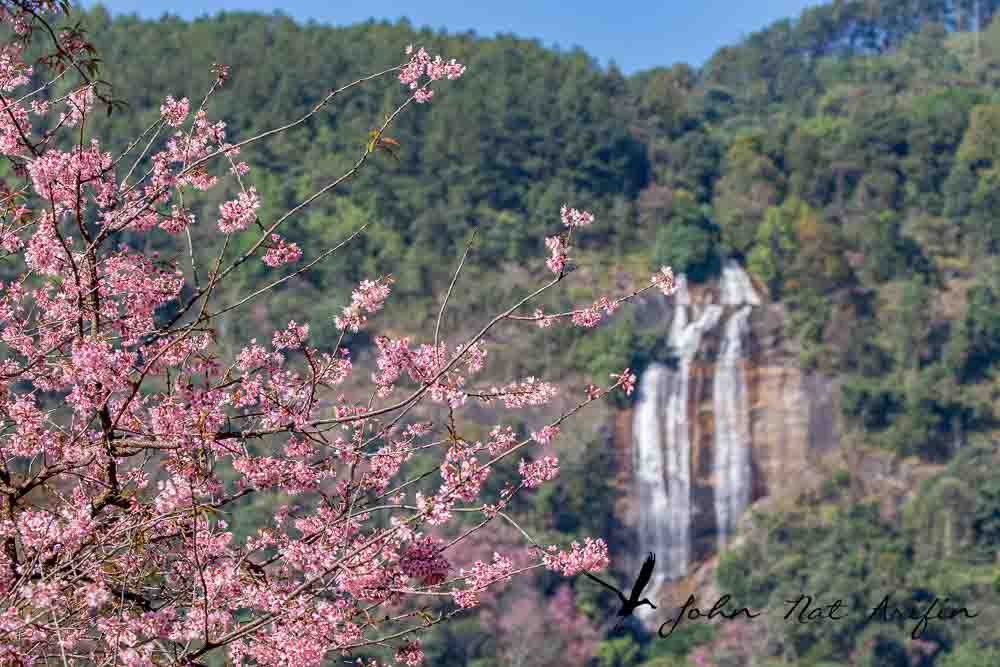
Siriphum Waterfall offers another interesting location. I particularly enjoyed exploring the streams near the power station, where Plumbeous Water Redstarts could be found.
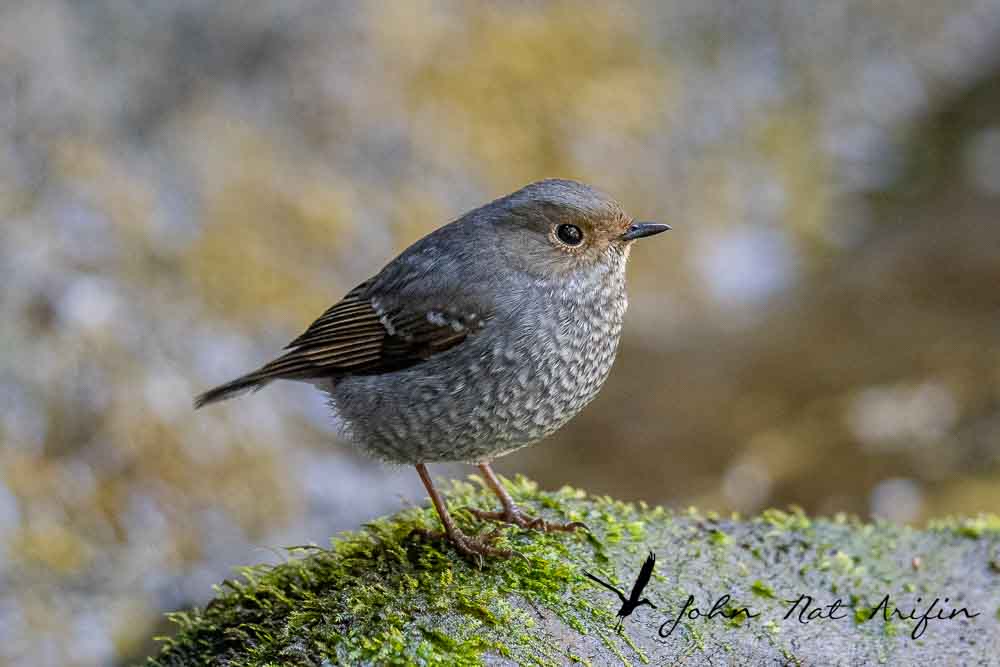
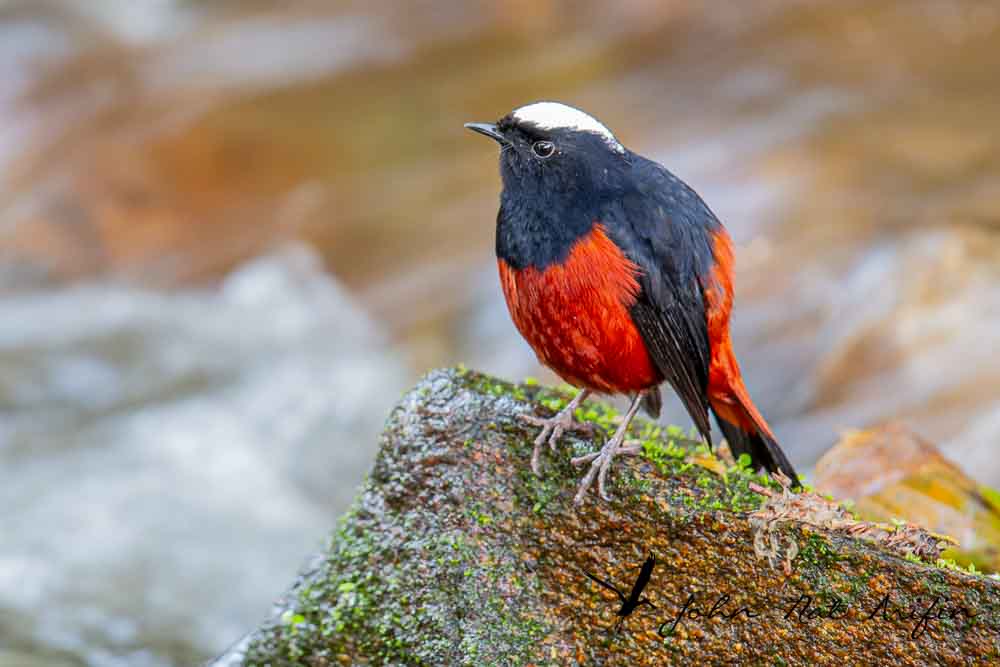
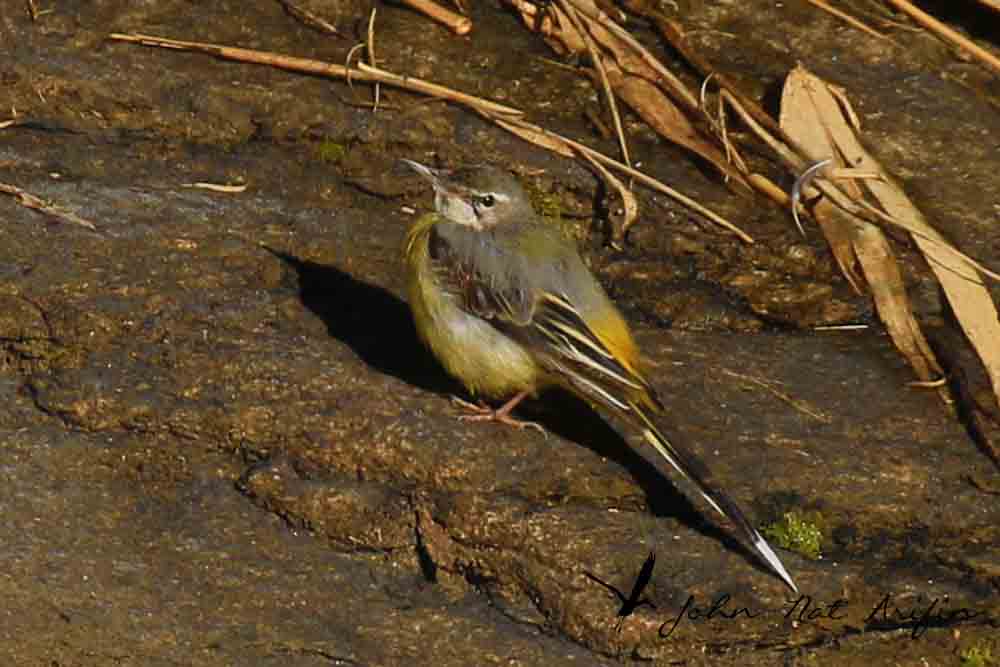
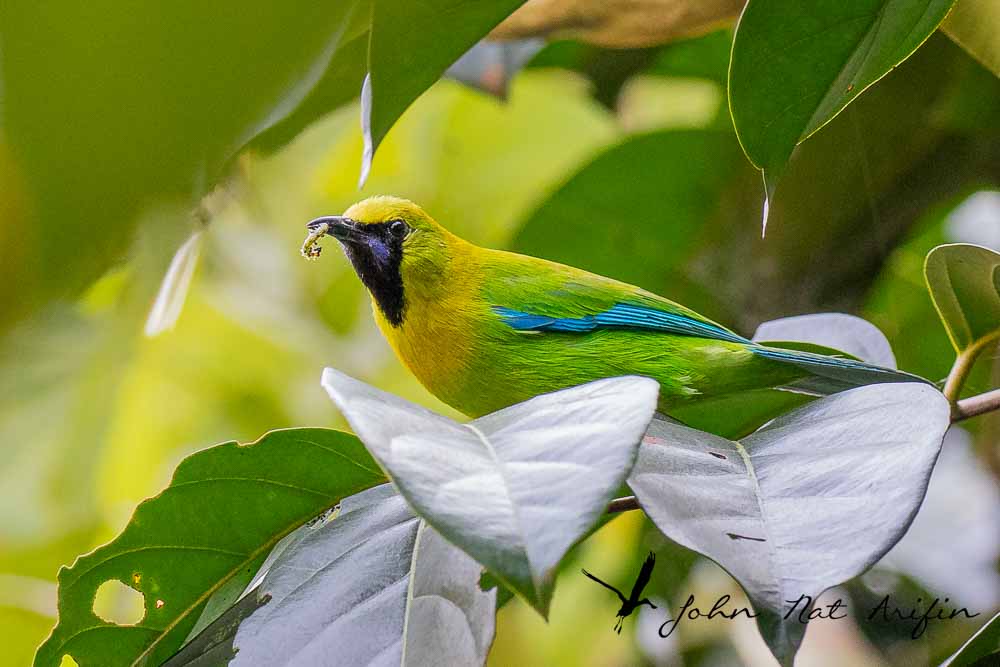
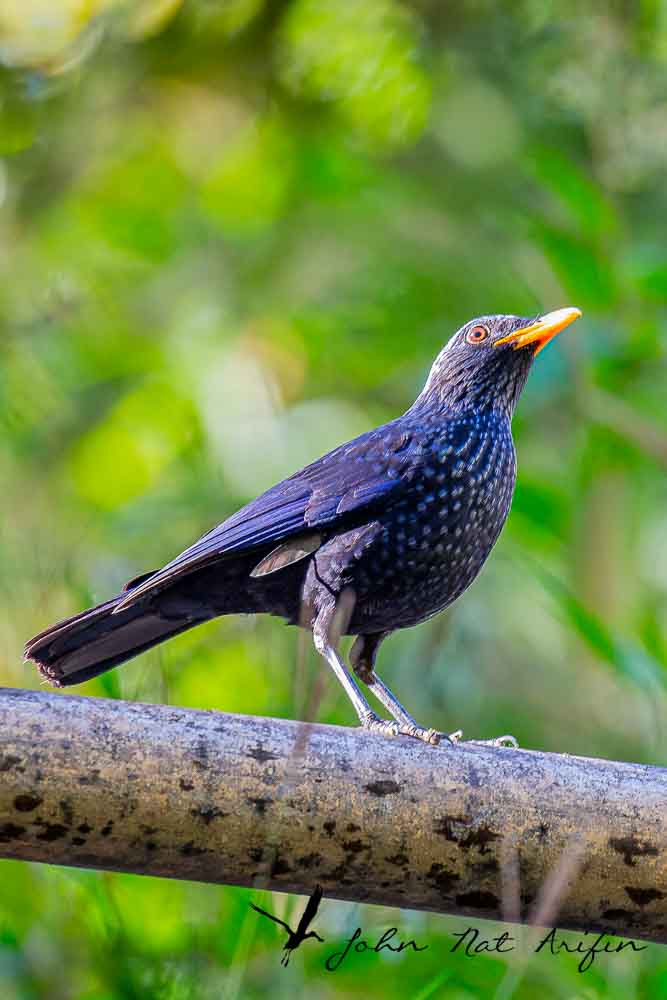
These locations demonstrate the diversity of bird habitats within Doi Inthanon. While the summit forest attracts montane species, the waterfalls and streams offer opportunities to photograph birds associated with fast-flowing water.
Kilometer 13: Searching for Collared Falconets
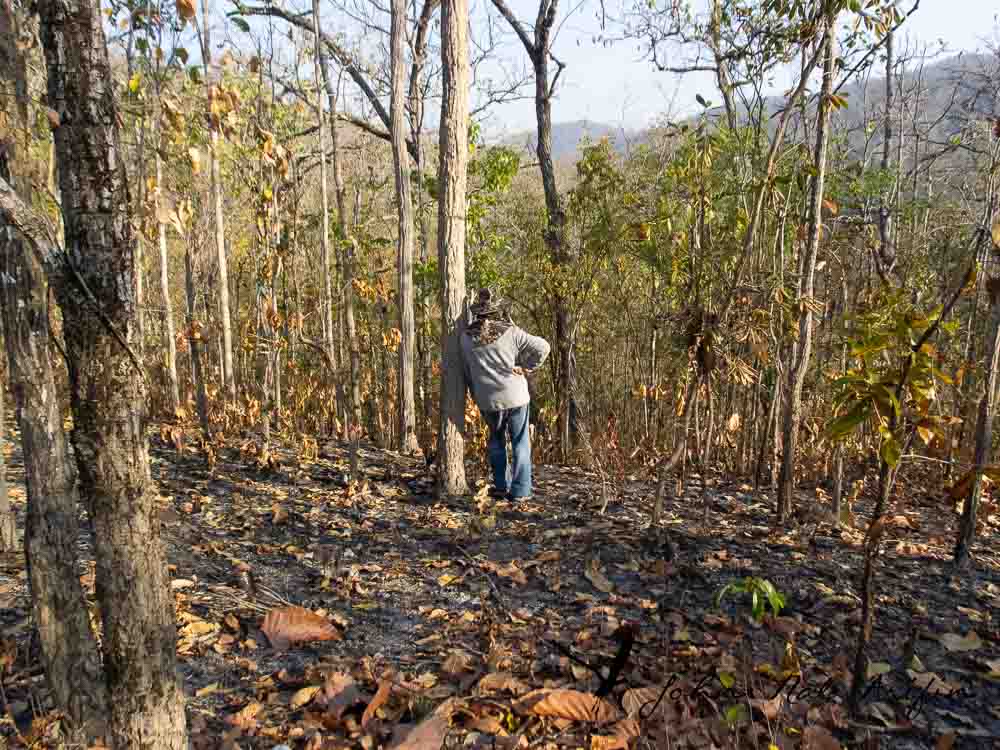
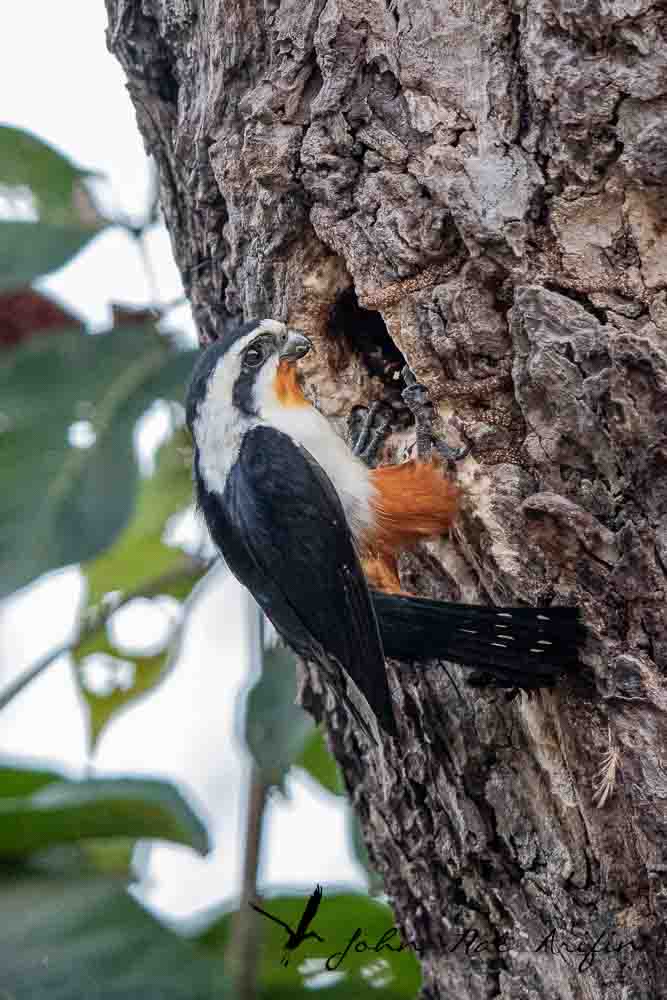
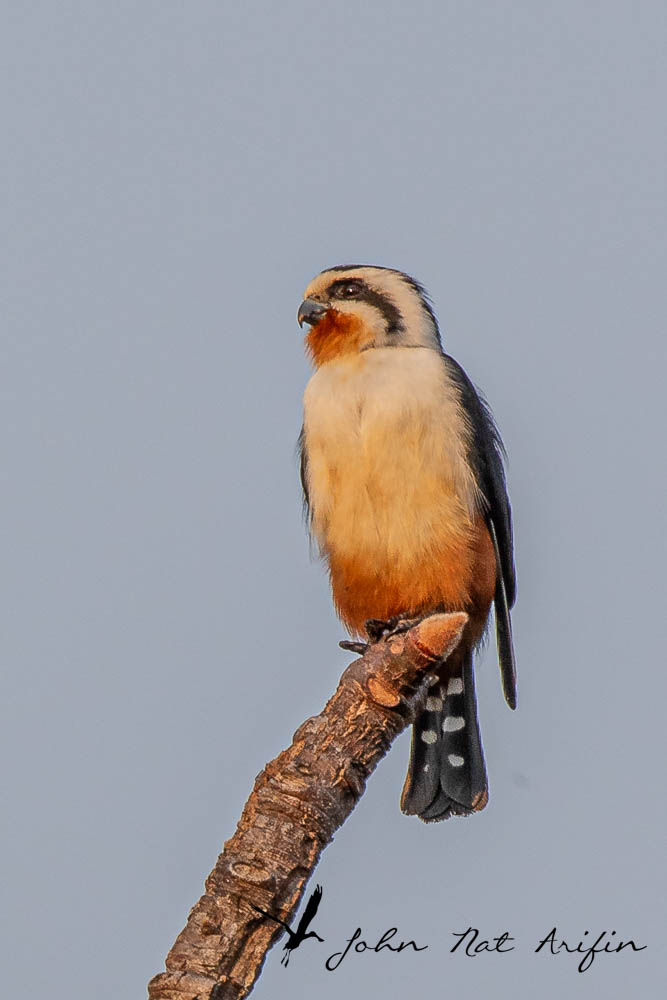
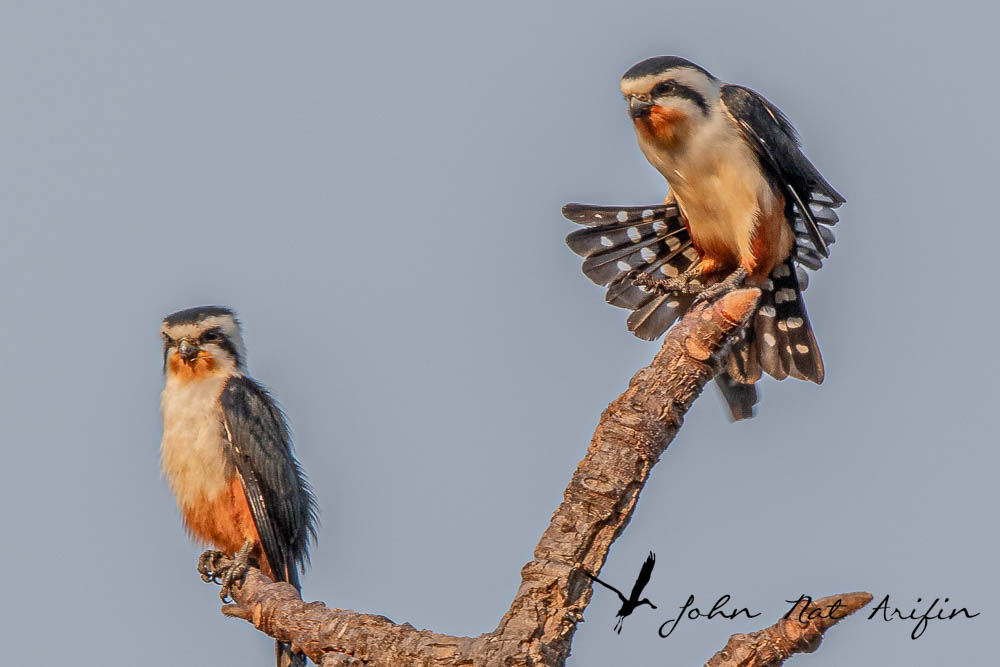
One of my more memorable experiences at Doi Inthanon was searching for Collared Falconets along the Kilometer 13 road.
There is a known roosting location where the birds use a hole in a tree. The falconets can often be seen returning to the same area, sometimes around 7:30 am.
However, locating the correct tree was not easy.
I had to make several attempts before finally finding the location. The experience reminded me that bird photography often involves more searching and waiting than actually taking photographs.
Once found, the opportunity to observe these small falcons returning to their roost was particularly rewarding.
Doi Lang: Searching for the Big Fives
After spending time at Doi Inthanon, I continued north towards Doi Lang, another well-known destination among bird photographers.
The big five birds of Doi Lang
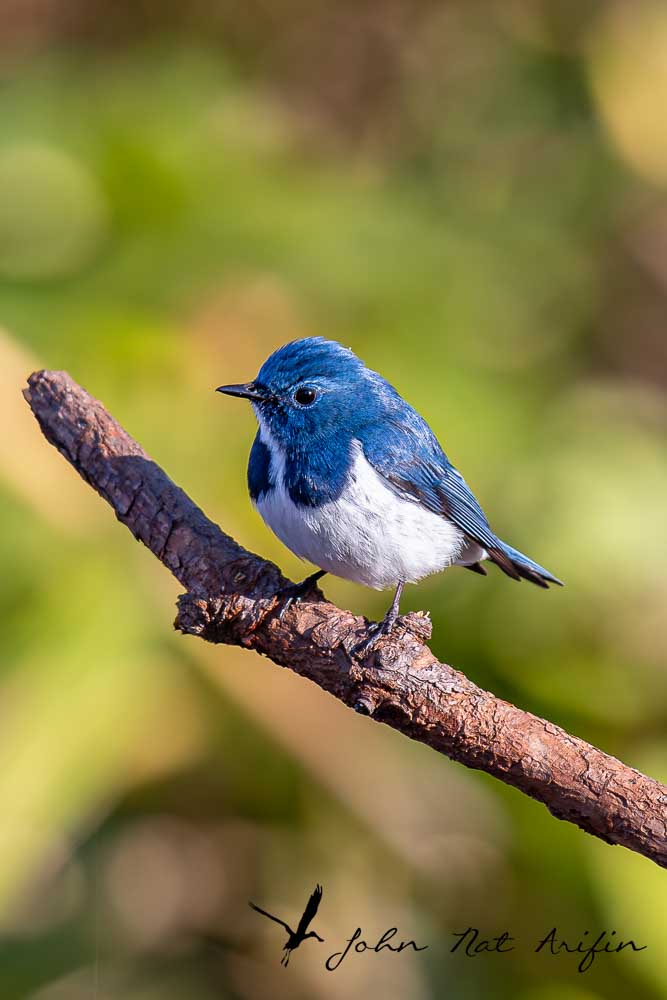
- Ultra Marine Flycatcher
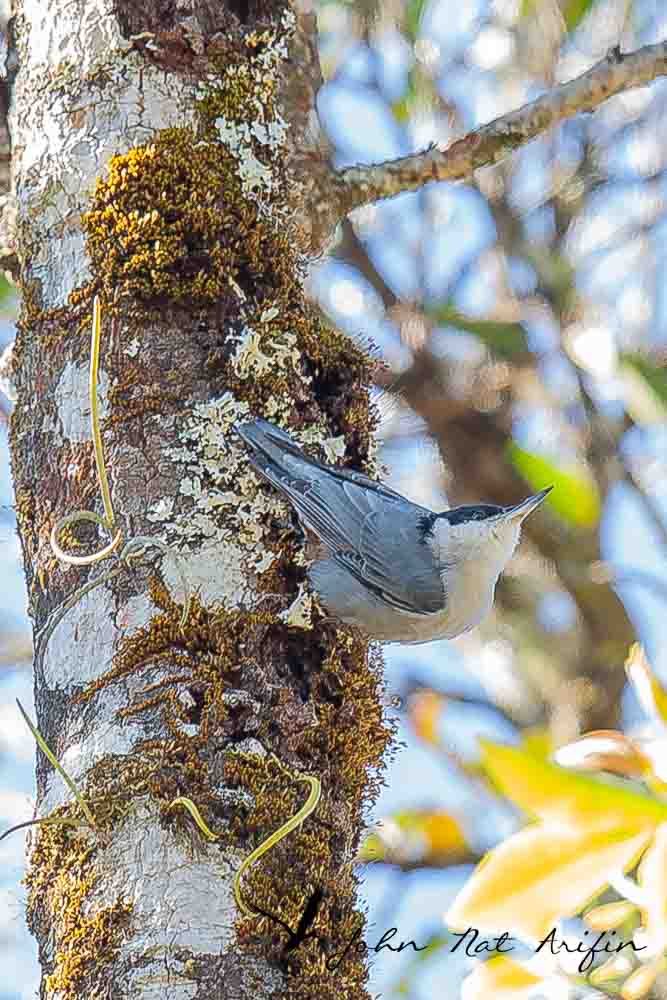
- Giant Nuthatch
- Home Pheasant ( we saw a glimpse only)
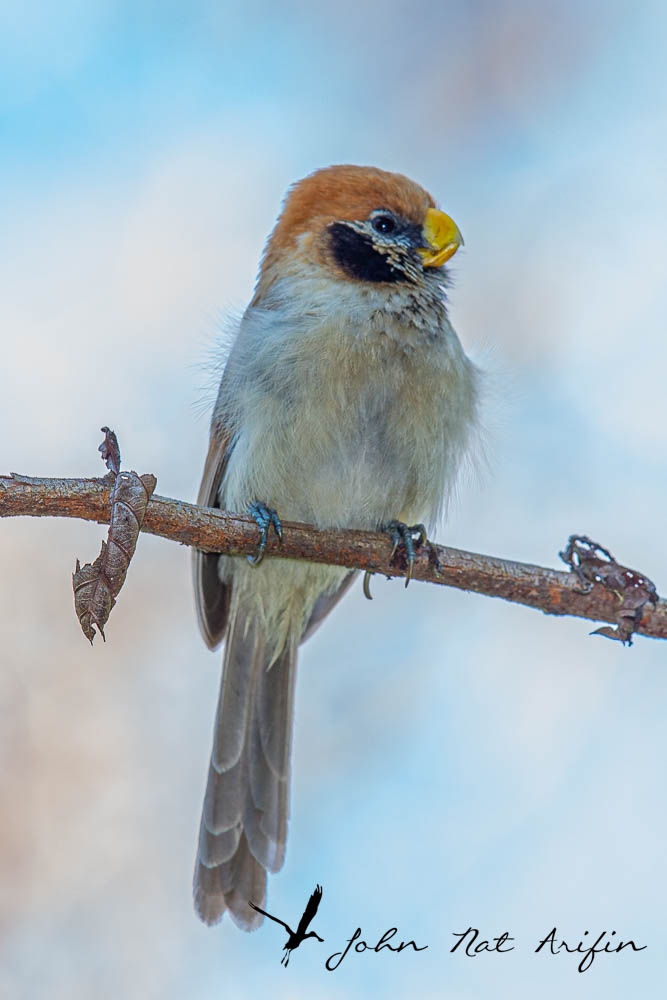
- Spot-bellied Parrotbill
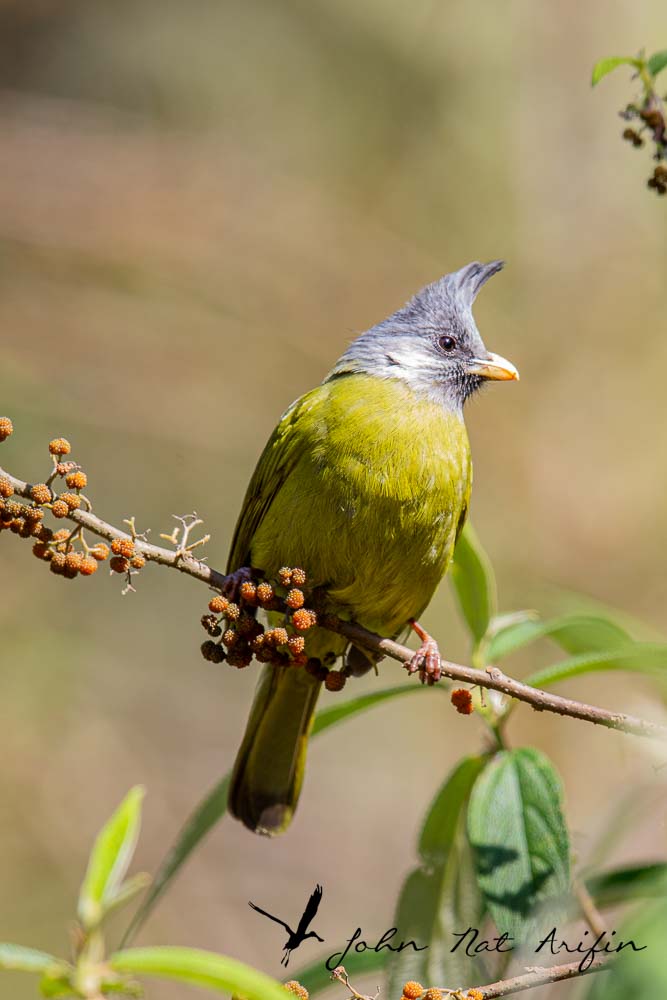
- Creasted Finchbill
I stayed in a motel around Fang, which provided a convenient base for exploring the mountain.
Doi Lang is particularly famous for its pheasants and high-altitude forest birds. The mountain also has areas near army checkpoints where birders regularly gather to observe and photograph birds.
The Early Morning Search
One of my main objectives was to photograph Hume’s Pheasant. This required an early start. I left my accommodation at around 5:30 am and headed towards the mountain while it was still dark.
The early morning drive was quiet, and the mountain roads offered a different atmosphere from the busier birding locations at Doi Inthanon.
Searching for pheasants requires patience. These birds are naturally cautious, and there is no guarantee of an encounter even after spending hours in the field.
Nevertheless, the experience of exploring the mountain forest before sunrise was enjoyable in itself.
Birding Around the Army Checkpoint
The army checkpoint area is another productive location for bird photography.
Birdwatchers often spend time here because birds can appear in the surrounding vegetation and open areas.
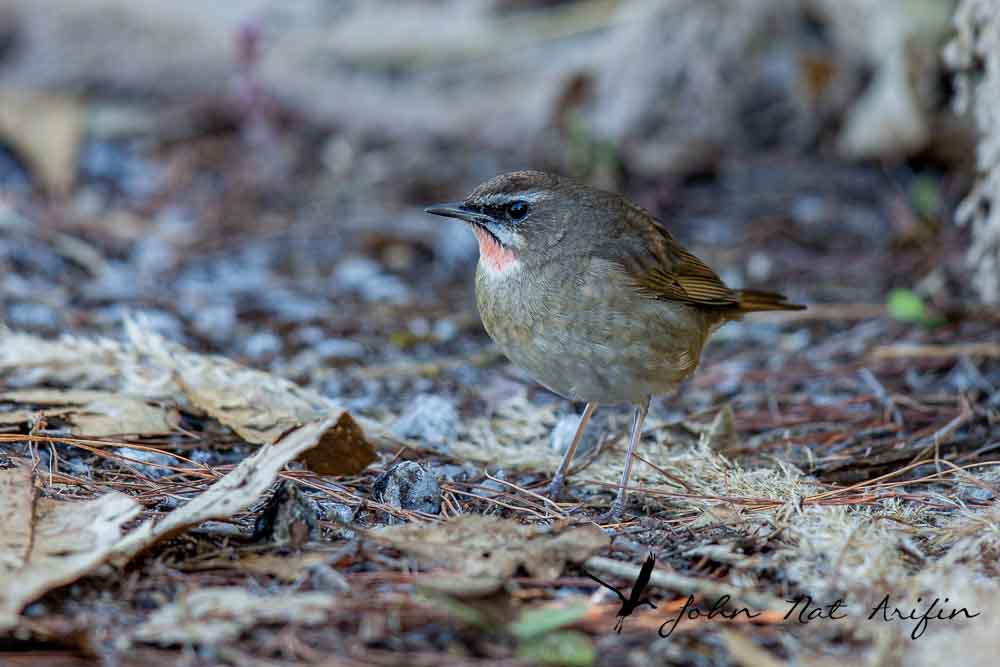
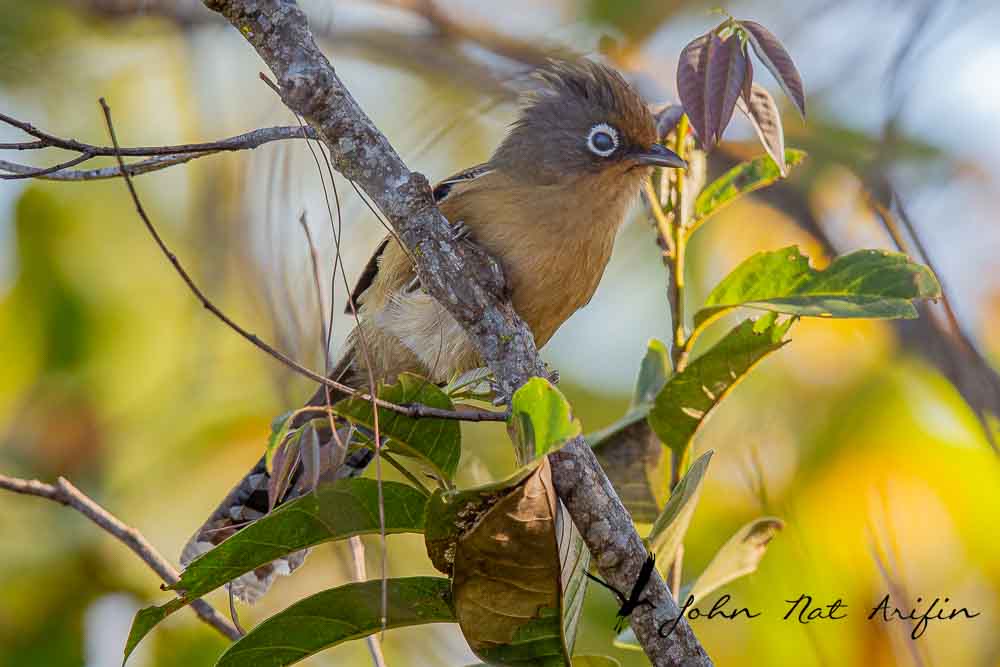
Among the species I encountered around Doi Lang were Ultramarine Flycatcher, Blue Rock-Thrush, Large Niltava, Golden-whiskered Barbet and Spot-breasted parrotbill.
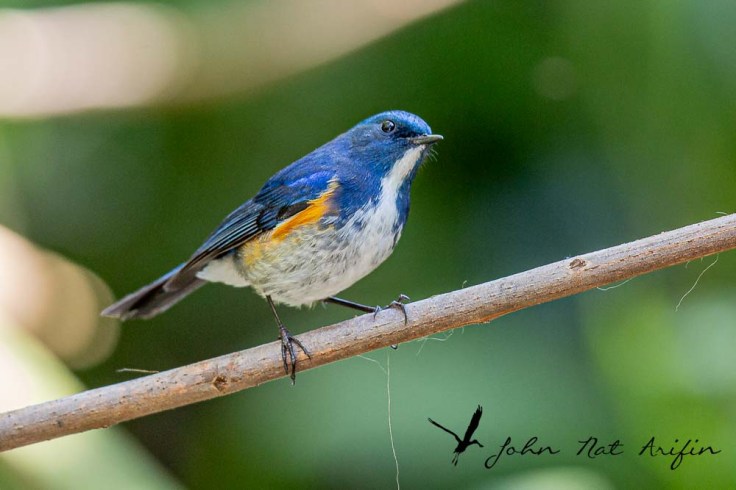
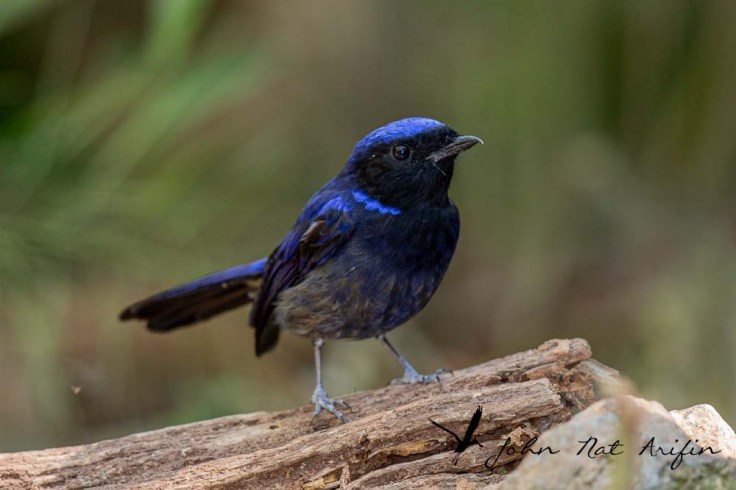
Other interesting sightings included Mrs Gould’s Sunbird, Giant Nuthatch, Mountain Imperial Pigeon, Grey Bushchat, Sooty-headed Bulbul and scarlet minivets.
I also encountered White-capped Redstart near the hot spring.

One of the attractions of Doi Lang is the possibility of seeing several attractive species within a relatively small area. However, bird activity can change from day to day, so it is worth spending time exploring different sections of the mountain.
For photographers, the combination of forest vegetation, open perches and cooler mountain conditions makes Doi Lang an especially rewarding destination.
Doi Ang Khang: Beautiful Gardens, Mountain Views and Moreo Birds
My final destination was Doi Ang Khang, another beautiful mountain location in Northern Thailand.
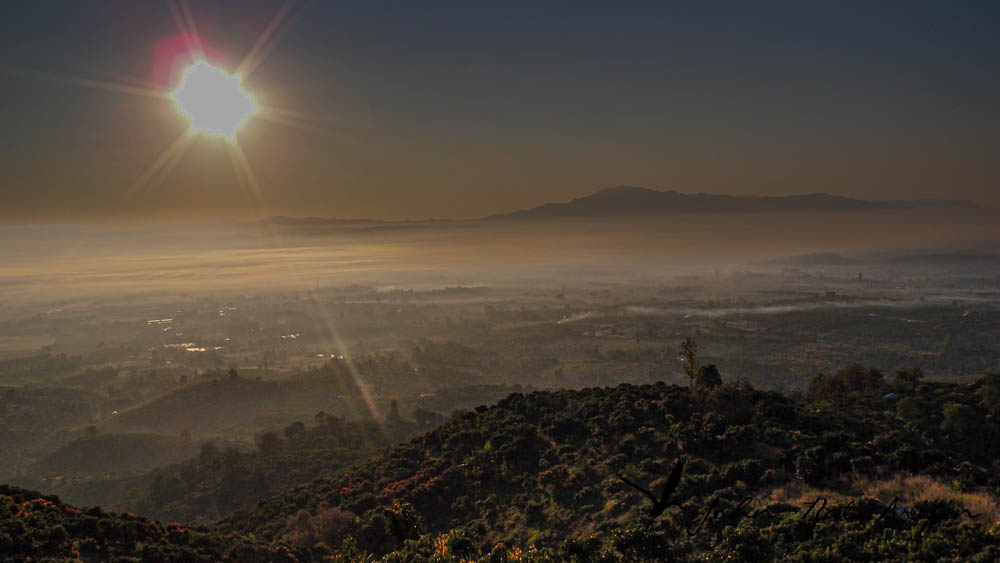
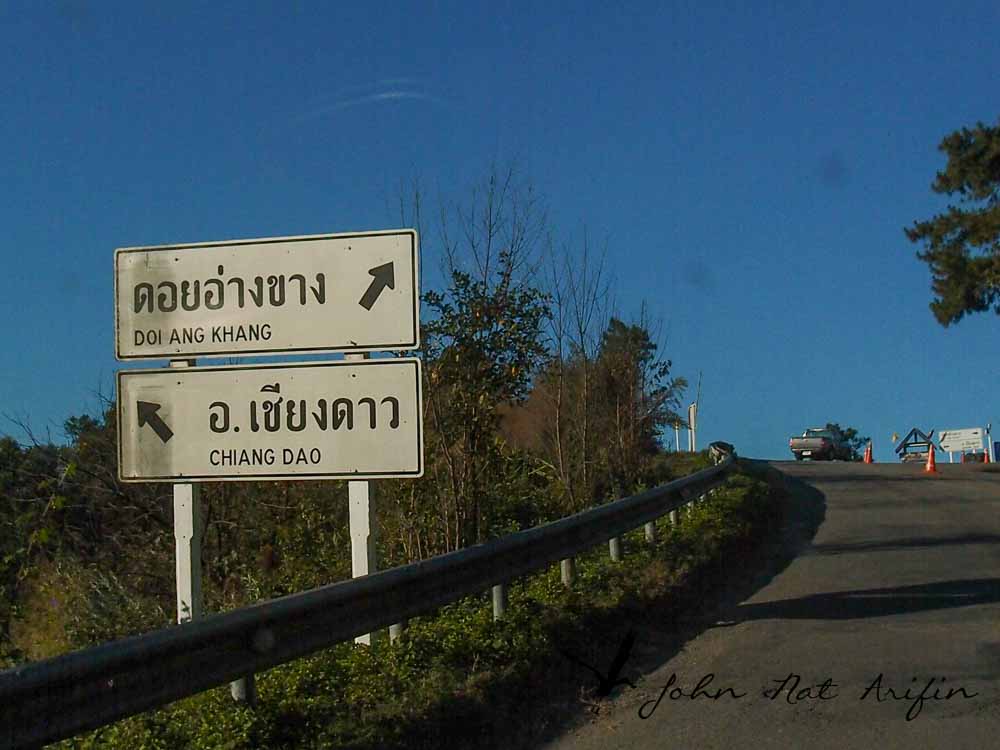
The journey towards Doi Ang Khang is memorable in itself. The road winds through steep hills and numerous hairpin bends before reaching the higher elevations.
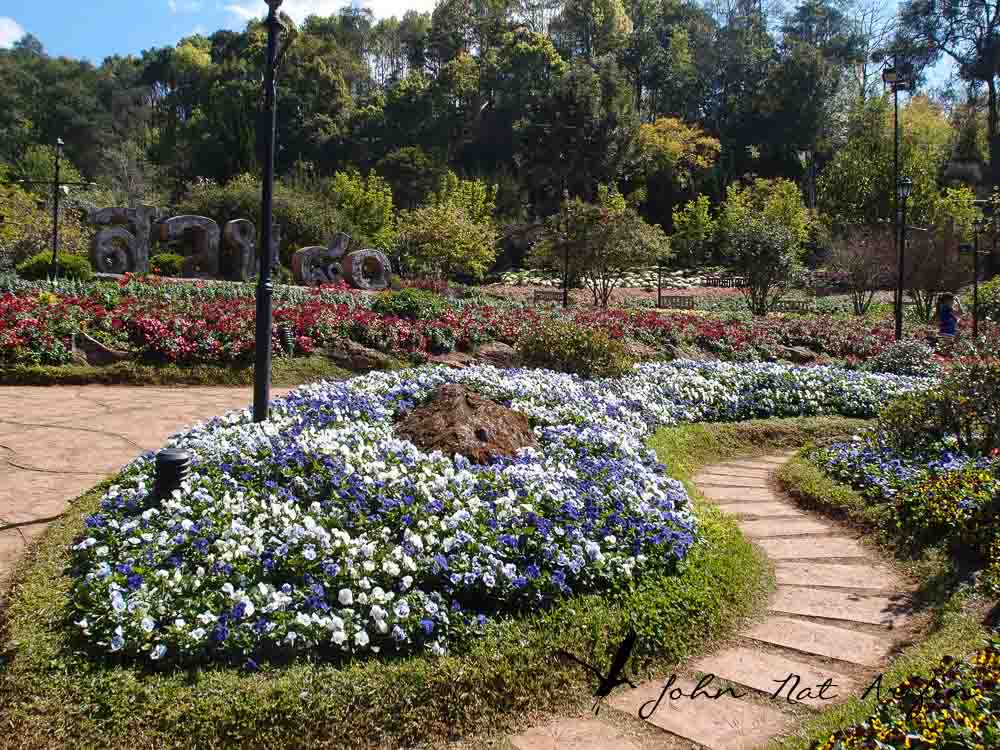
One of my favourite stops was Doi Ang Khang Checkpoint, situated at approximately 1,650 metres above sea level.
The location offers impressive views across the surrounding valleys, and there is a café where visitors can enjoy a meal while appreciating the mountain scenery.
The beautifully maintained gardens also make this a pleasant place to spend time.
Bird Photography Around the Checkpoint Gardens
Besides the scenery, the gardens and surrounding vegetation offer opportunities to photograph birds.
Among the species I spotted were Long-tailed Broadbill, Mountain Bulbul, Sooty-headed Bulbul, Oriental White-eye, Ashy Drongo, Buff-bellied Flowerpecker and Blue Rock-Thrush.
The Long-tailed Broadbill was particularly attractive, with its distinctive appearance and colourful plumage.
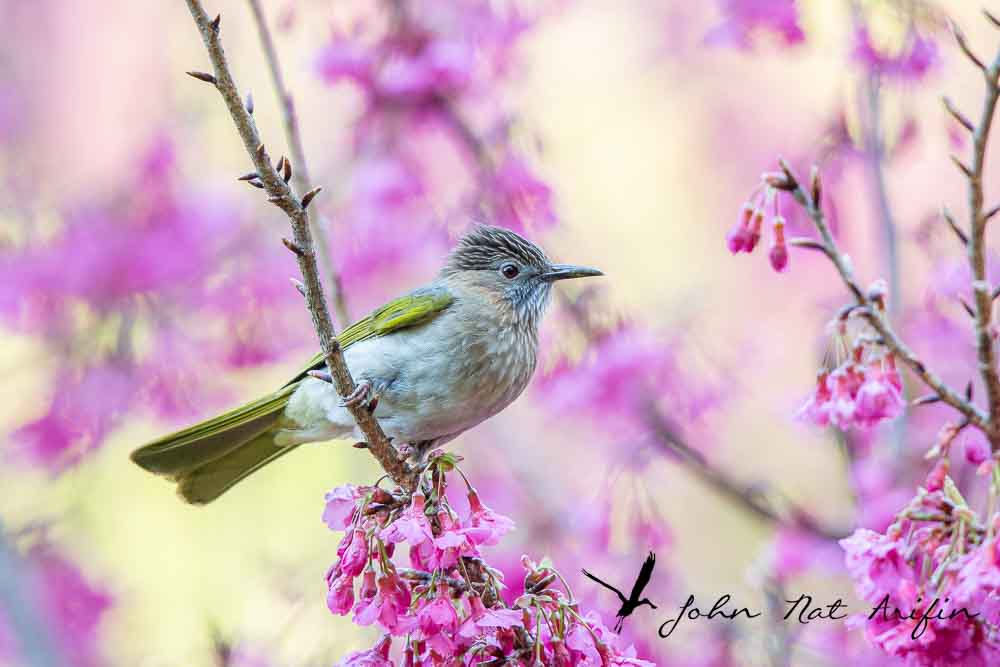
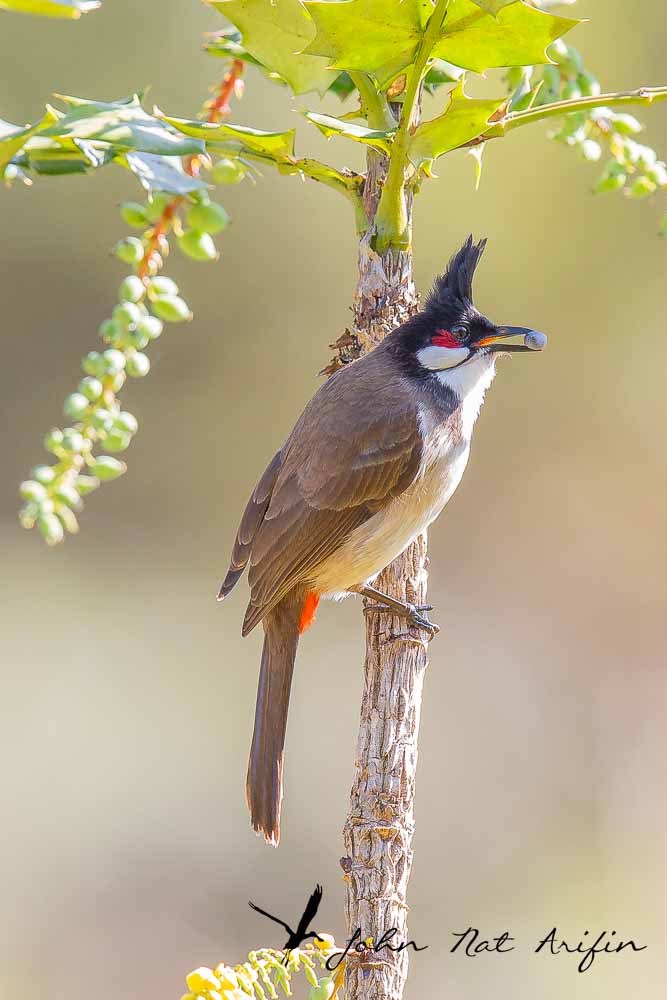
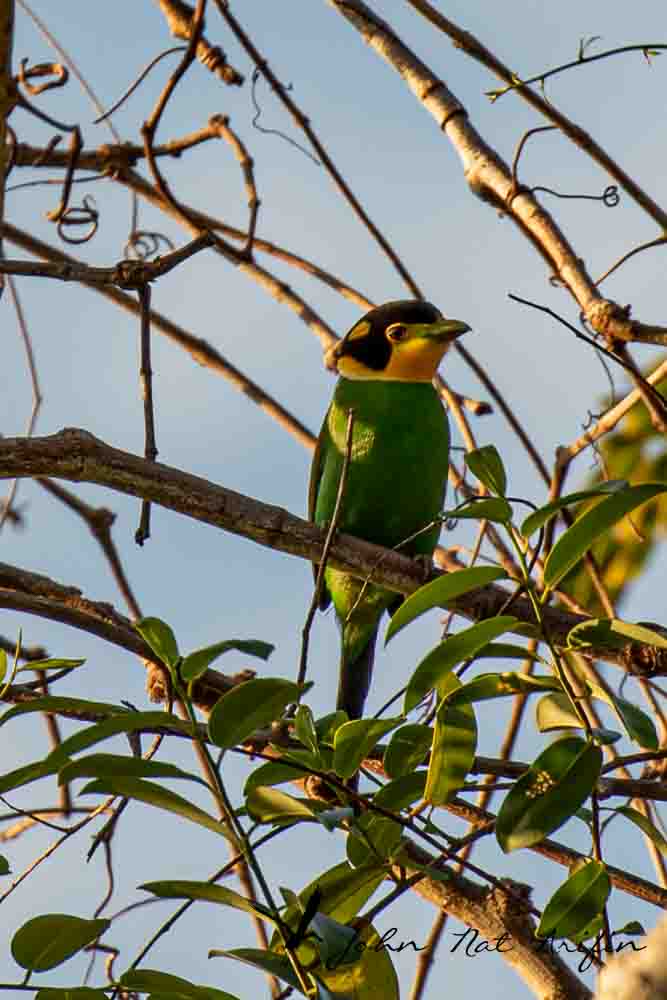
The combination of gardens, flowering plants and natural vegetation creates an interesting environment for bird photography.
Unlike some of the more challenging forest locations, Doi Ang Khang also provides opportunities to enjoy birding at a more relaxed pace.
I found it particularly enjoyable to take a break at the café, have a meal and appreciate the beautiful mountain landscape after a morning of bird photography.
Doi Ang Khang was a fitting final destination for my Northern Thailand road trip, combining bird photography with some of the region’s most attractive mountain scenery.
Complete Northern Thailand Bird Checklist
Here is a destination-organised checklist of the birds mentioned during my trips. Some species may occur in more than one destination.
Mae Wong National Park
- Grey Peacock-Pheasant
- Streaked Spiderhunter
- Blue-bearded Bee-eater
- Green-eared Barbet
- Black-crested Bulbul
- White-crowned Forktail
- Red-billed Blue Magpie
- scarlet Minivets
- White-tailed Robin
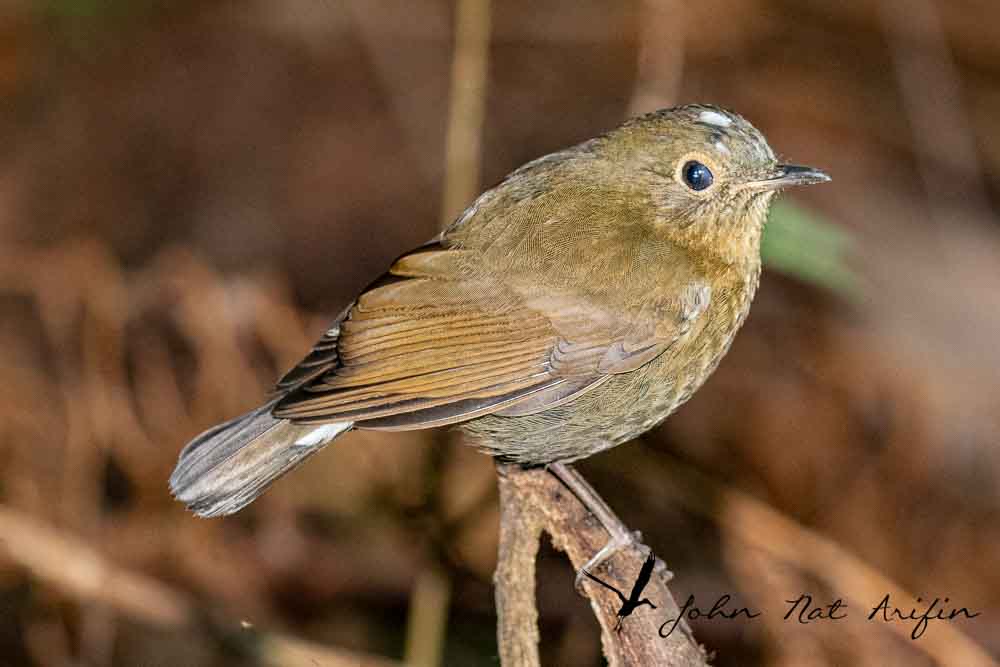
- Streak-ed Wren Babbler
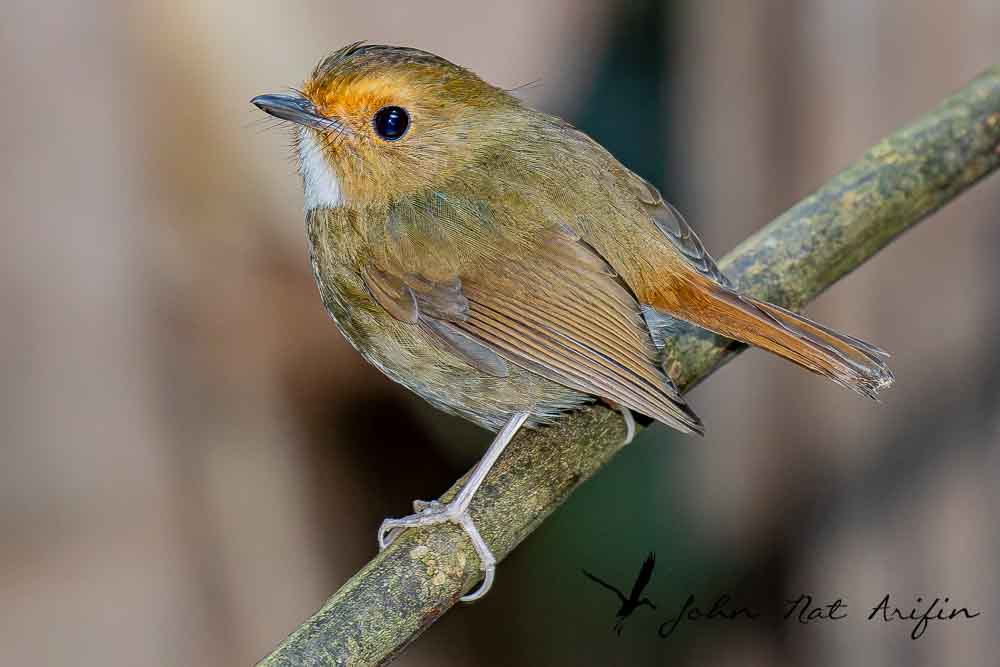
- Rufous-browed Flycatcher
- Flavescent Bulbul
- Silver-eared laughing thrust
- Rufous-bellied Niltava
- Blue-rockThrust
Doi Inthanon National Park
- Green-tailed Sunbird
- Yellow-bellied Flowerpecker
- White-crowned Forktail
- Chestnut-crowned Laughingthrush
- Snowy-browed Flycatcher
- Gould’s Sunbird
- Daurian Redstart
- Chestnut-tailed Minla
- Black-headed Sibia
- Blue Whistling Thrush
- Black-crested Bulbul
- Ashy Drongo
- White-capped Redstart
- Plumbeous Water Redstart
- Grey-headed Flycatcher
- Bronzed Drongo
- Blue-winged Leafbird
- Collared Falconet
- Oroental White-eye
- Asian Tits
- Yellow-cheeked Tit
- Warblers
Doi Lang
- Hume’s Pheasant ( no photograph)
- Ultramarine Flycatcher
- Blue Rock-Thrush
- Large Niltava
- Golden-whiskered Barbet
- White-capped Redstart
- Gould’s Sunbird
- Grey Bushchat
- Sooty-headed Bulbul
- Giant Nuthatch
- Mountain Imperial Pigeon
- Scarlet Minivets
- Spot-bellied Parrotbills
- Himalayan Bluetail
Doi Ang Khang
- Long-tailed Broadbill
- Mountain Bulbul
- Sooty-headed Bulbul
- Oriental White-eye
- Buff-bellied Flowerpecker
- Ashy Drongo
- Blue Rock-Thrush
Note: This checklist reflects the species recorded or mentioned in my field observations. It is not intended to represent an exhaustive checklist of all birds found in these national parks.
Conclusion: Why January Is a Wonderful Time for Birding in Northern Thailand
After several January trips to Northern Thailand, I can confidently say that this region deserves a place on the itinerary of any serious birdwatcher or bird photographer visiting Asia.
Each destination offers something different.
Mae Wong National Park provides opportunities to explore rich mountain forests and search for elusive pheasants. Doi Inthanon offers an impressive variety of high-altitude forest birds, beautiful waterfalls and seasonal cherry blossoms. Doi Lang is particularly rewarding for photographers hoping to encounter special mountain species, while Doi Ang Khang combines attractive gardens, interesting birds and spectacular valley views.
What I enjoy most about birding in Northern Thailand is the variety of experiences. One morning might be spent waiting patiently for a pheasant in the forest, while another could involve photographing sunbirds among flowering trees or watching water redstarts beside a mountain stream.
For bird photographers, January is especially attractive because of the cooler weather, wintering birds and seasonal flowers.
A road trip from Bangkok through Mae Wong, Doi Inthanon, Doi Lang and Doi Ang Khang is an excellent way to experience the natural beauty and bird diversity of Northern Thailand.
Of course, finding and photographing some of the more elusive species requires patience, preparation and a little luck. But that is part of the attraction of bird photography.
For anyone planning a winter birding adventure in Thailand, I would highly recommend including these four destinations. Bring your camera, telephoto lens, warm clothing and plenty of patience. You may discover that Northern Thailand offers far more than you expected.






Leave a Reply