Laughingthrushes of Southeast Asia: A Bird Photographer’s Journey Across Singapore, Malaysia, Thailand, and Vietnam
Introduction
Laughingthrushes are among the most charismatic—and challenging—birds to photograph in Southeast Asia. Known for their loud, melodious calls and elusive behavior, these forest dwellers reward patience with stunning visuals: rich plumage, expressive eyes, and dynamic group interactions.
As a bird photographer, I’ve spent years tracking laughingthrushes across some of the region’s top birding hotspots, including Fraser’s Hill, Mae Wang National Park, Doi Inthanon National Park, and Kaeng Krachan National Park, as well as the highlands of Da Lat. Each location offers unique opportunities to photograph different laughingthrush species in their natural habitats.
This guide shares my field experience, photography techniques, and the best locations to photograph laughingthrushes in Southeast Asia.
What Are Laughingthrushes?
Laughingthrushes belong to the family Leiothrichidae, a group of highly social birds often moving in noisy flocks. Their vocalizations—ranging from soft chuckles to loud “laughter”—make them easier to detect than to photograph.
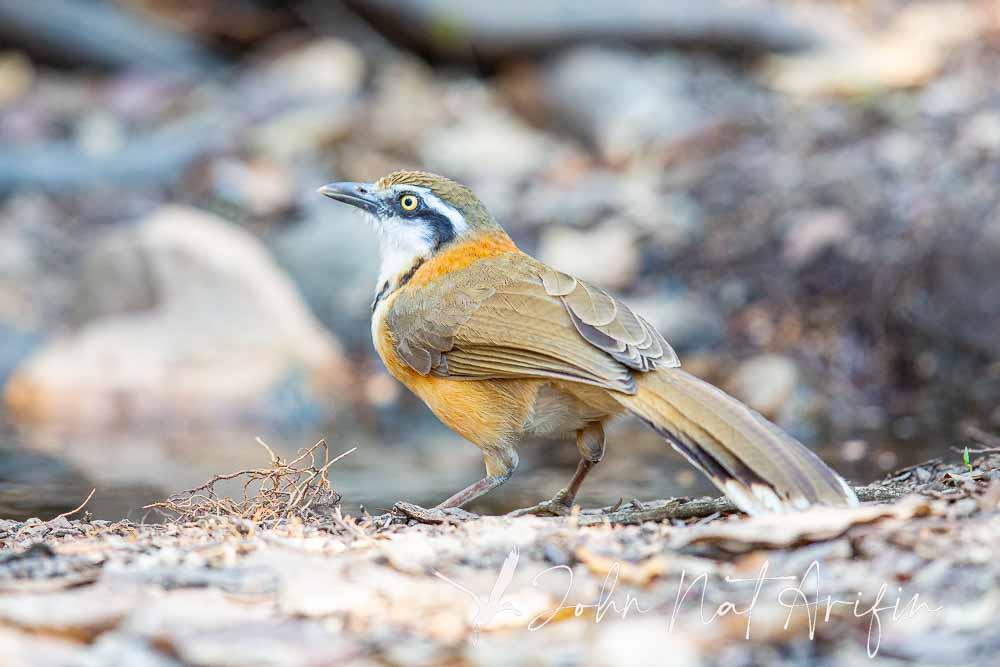
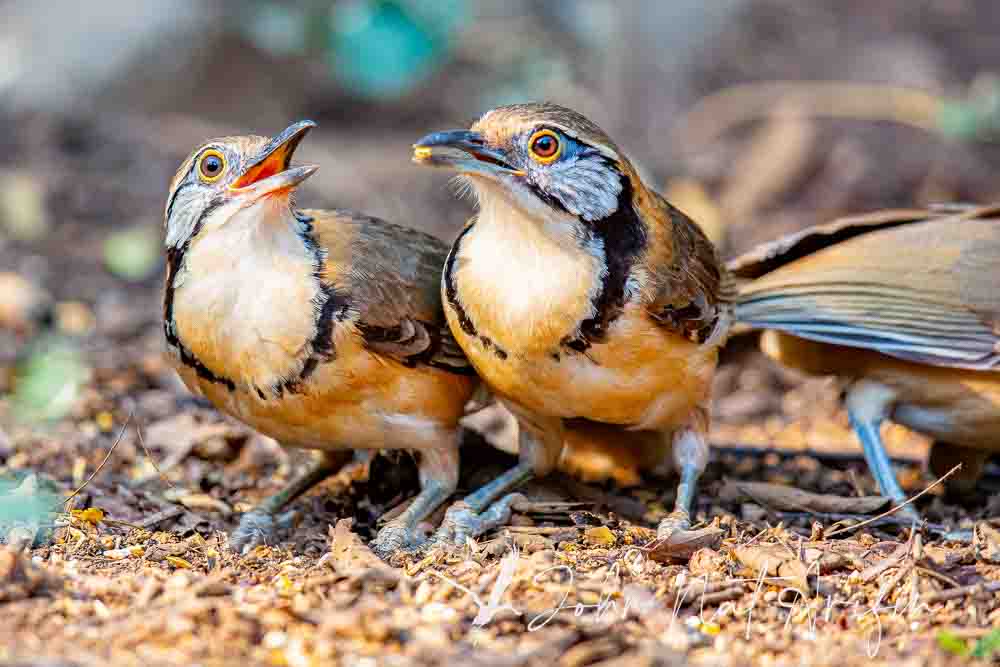
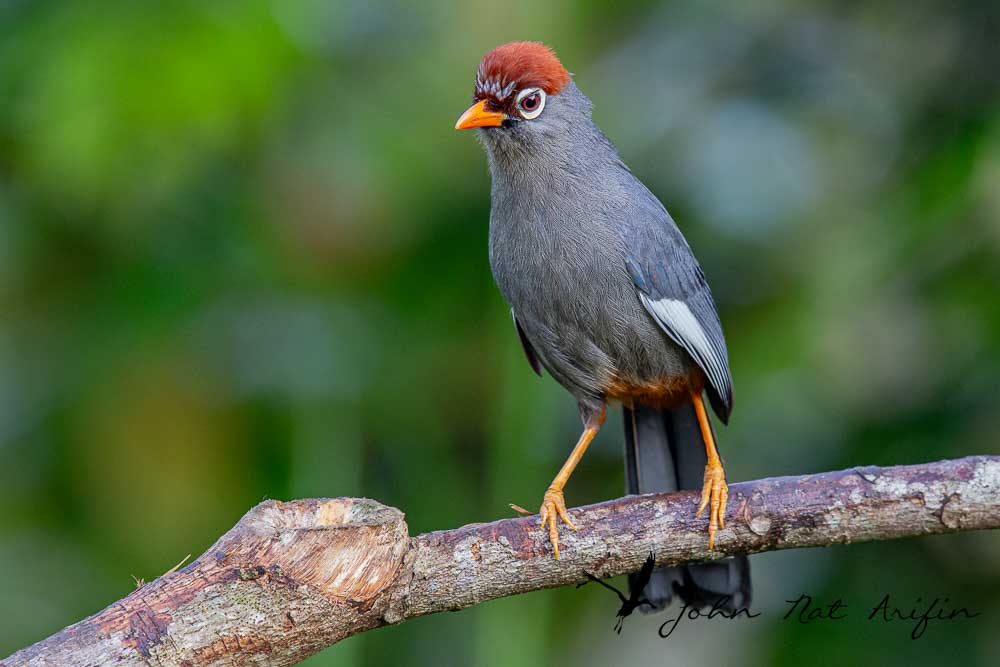
They typically inhabit:
• Dense undergrowth
• Montane forests
• Bamboo thickets
• Forest edges. For photographers, the real challenge lies in low light, constant movement, and cluttered backgrounds.
⸻
Top Locations for Photographing Laughingthrushes
1. Fraser’s Hill, Malaysia
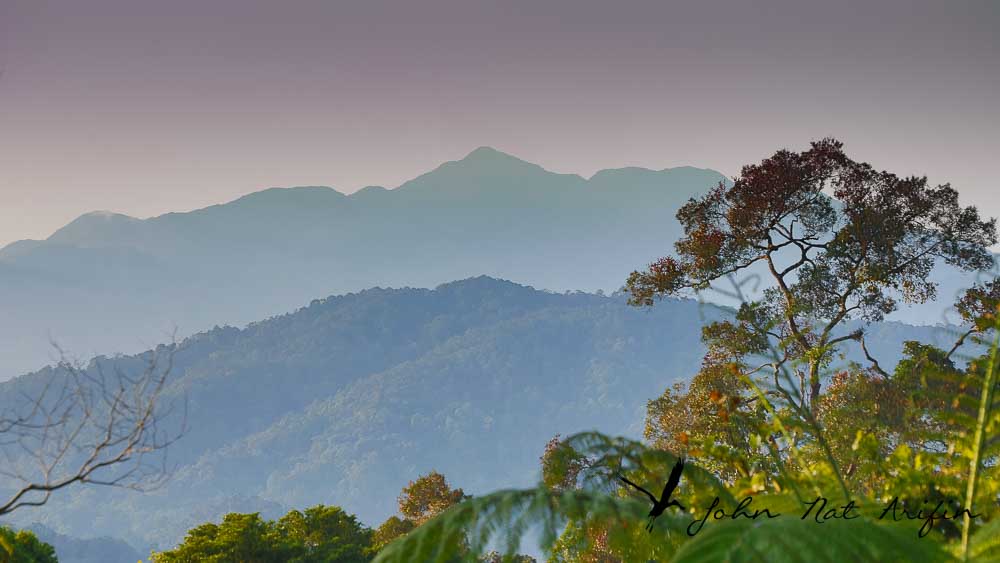
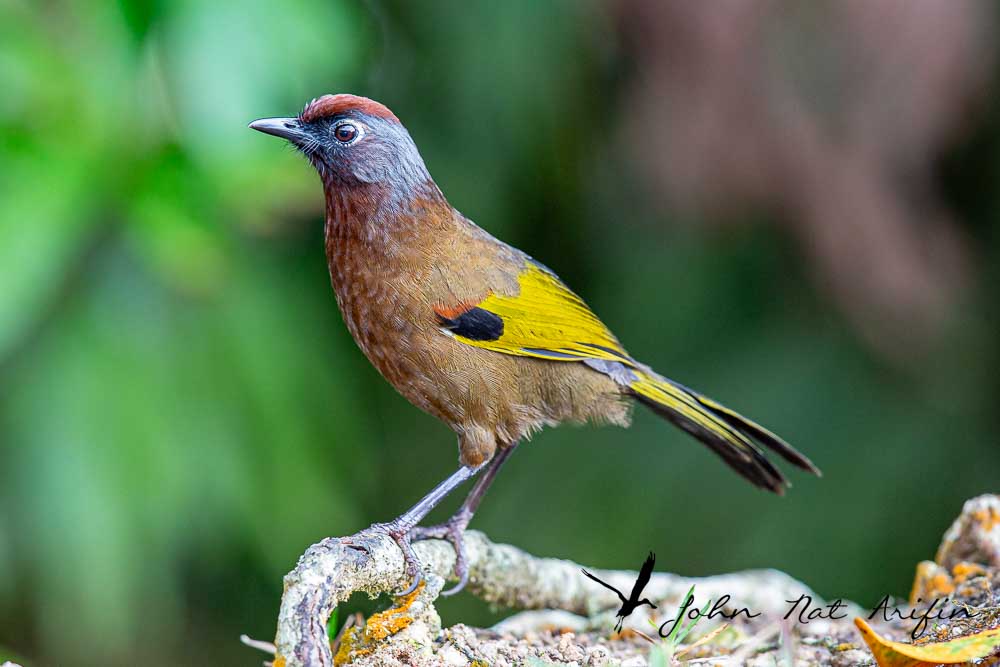
What many birders used to call “Chestnut-crowned Laughingthrush” in Peninsular Malaysia is now treated as Malayan Laughingthrush (formerly the Malayan subspecies/group of Chestnut-crowned).
Fraser’s Hill is one of the most accessible highland birding destinations from Singapore.
Key species photographed:
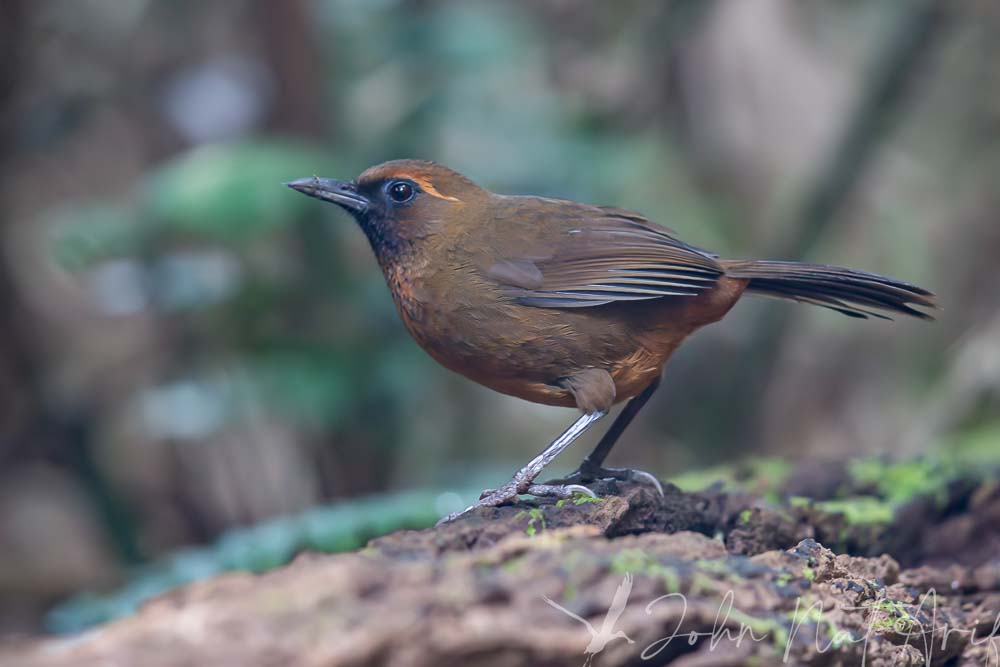
• Chestnut-capped Laughingthrush
. Malayan Laughingthrush (formerly the Malayan subspecies/group of Chestnut-crowned).
• Black Laughingthrush (rare and highly sought after)
The first two species are relatively common, while the Black Laughingthrush requires persistence and luck.
Photography tips:
• Shoot early morning for peak activity
• Watch mixed-species flocks closely
• Position yourself near natural perches along trails

⸻
2. Doi Inthanon National Park, Thailand
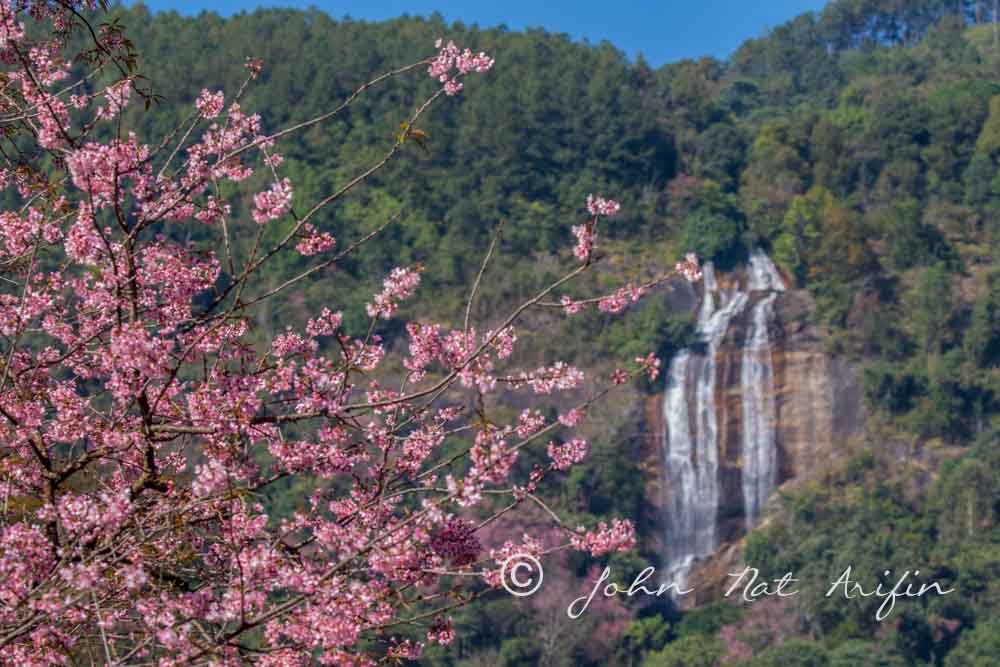
Doi Inthanon National Park is one of Southeast Asia’s premier bird photography locations, with around 10 species of laughingthrushes recorded in Thailand.
Key species:
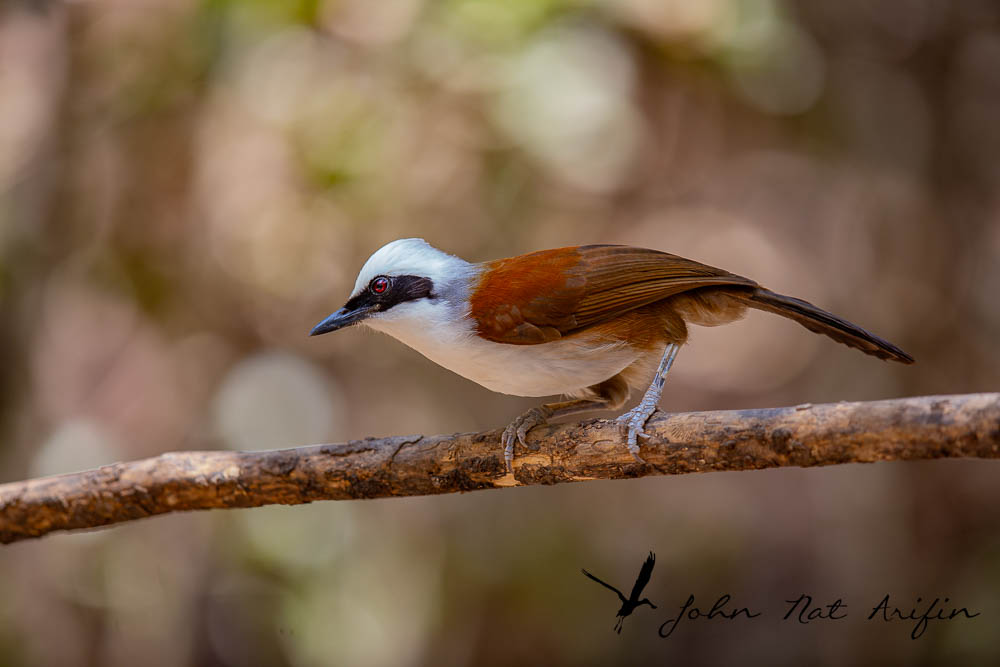
• White-crested Laughingthrush
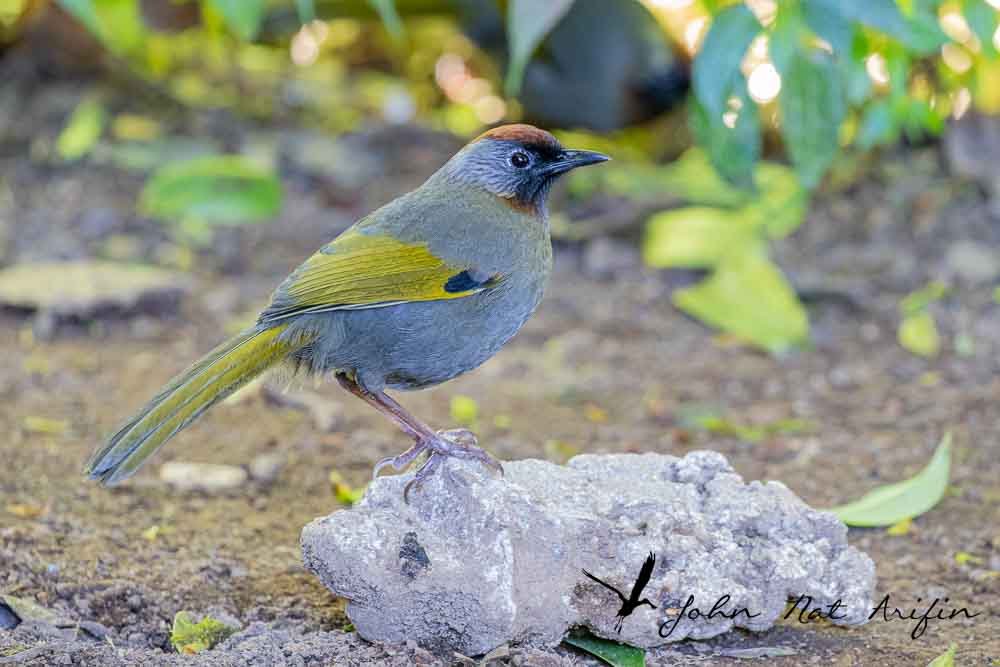
• Silver-eared Laughingthrush occurs in
- Doi Inthanon National Park
- Mae Wang (Thailand)
- Da Lat (Vietnam)
- Northern Laos montane forests
It occupies montane evergreen forest, bamboo edges, and secondary growth, often around 800–2,600 m.
Field notes:
The White-crested Laughingthrush is highly photogenic, often moving in groups and occasionally perching in the open.
In contrast, the Silver-eared Laughingthrush is quieter and frequently forages on the ground—especially along the Ang Ka (Angkrang) Trail near the summit.
Best strategy:
• Focus on summit trails
⸻
3. Mae Wang National Park, Thailand
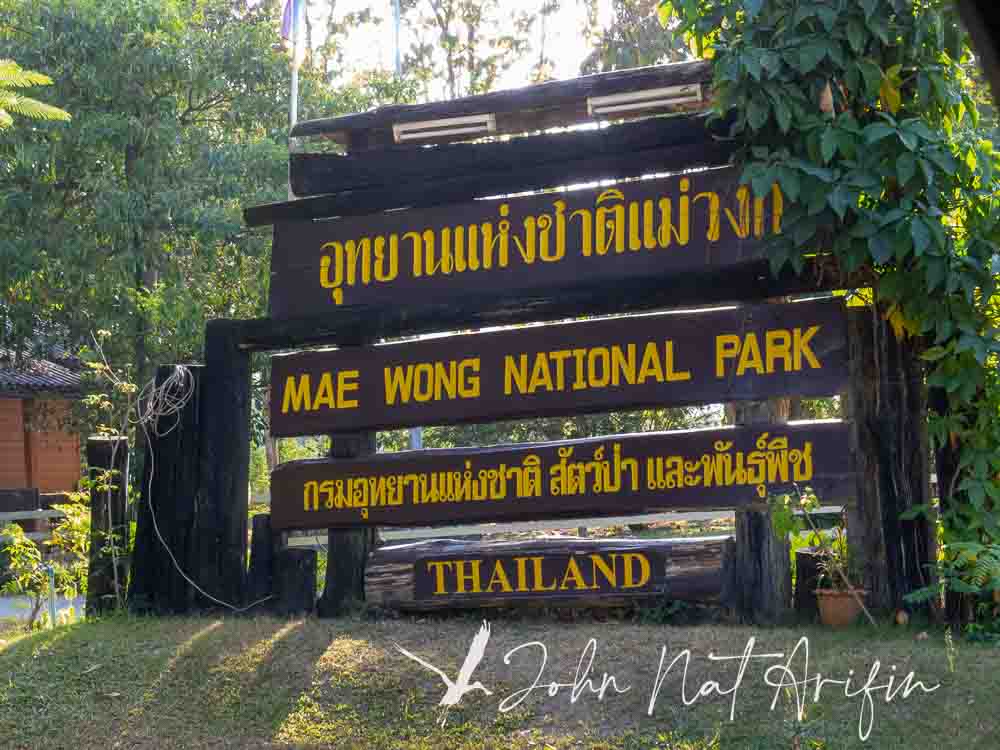
Mae Wang National Park offers a quieter, less commercial birding experience.
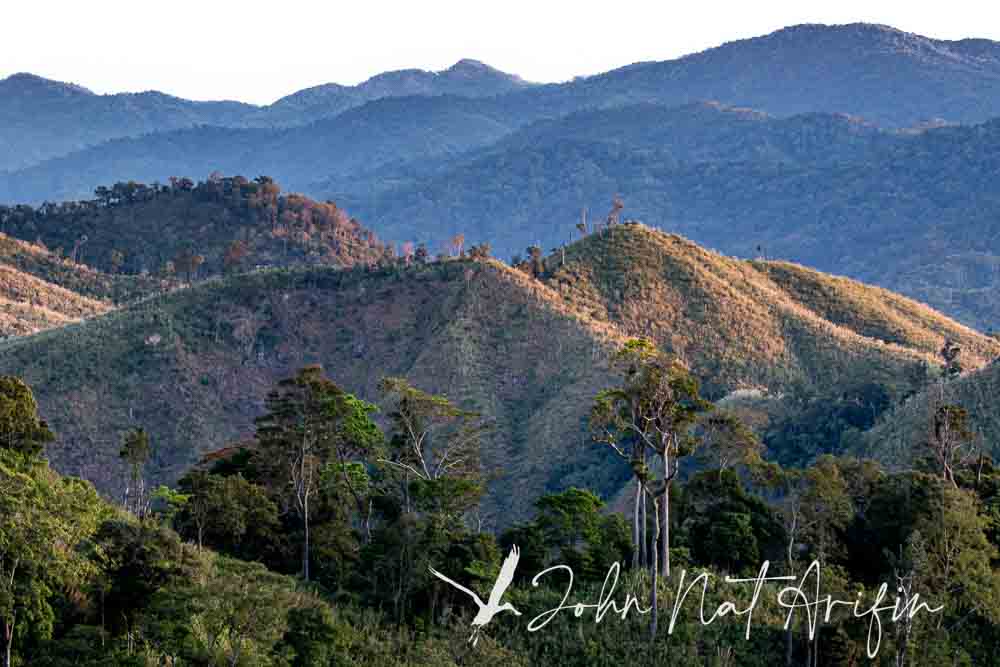
Species recorded:
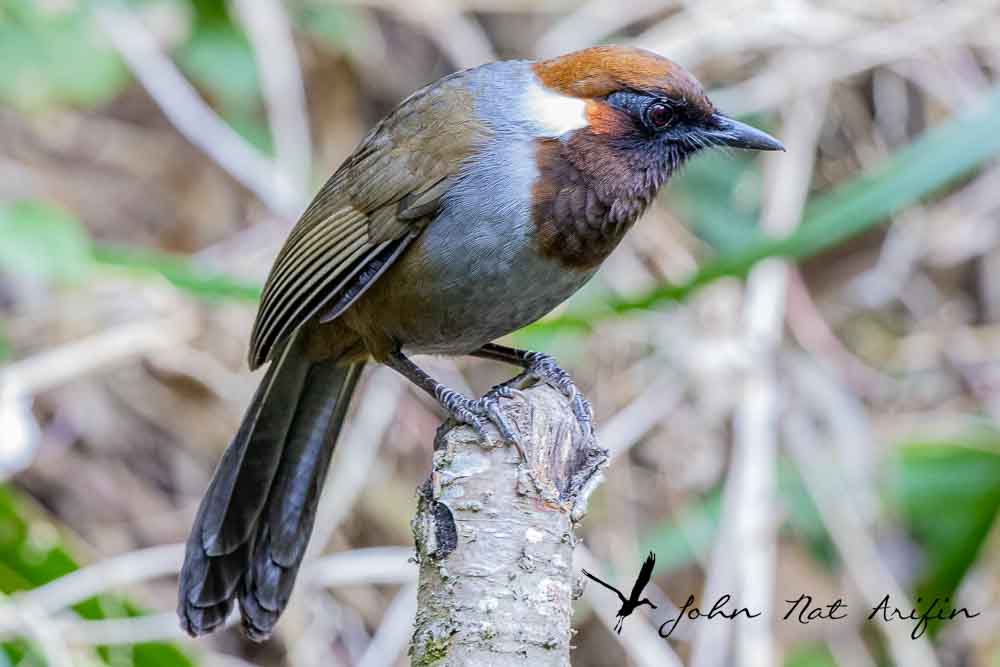
• White-necked Laughingthrush
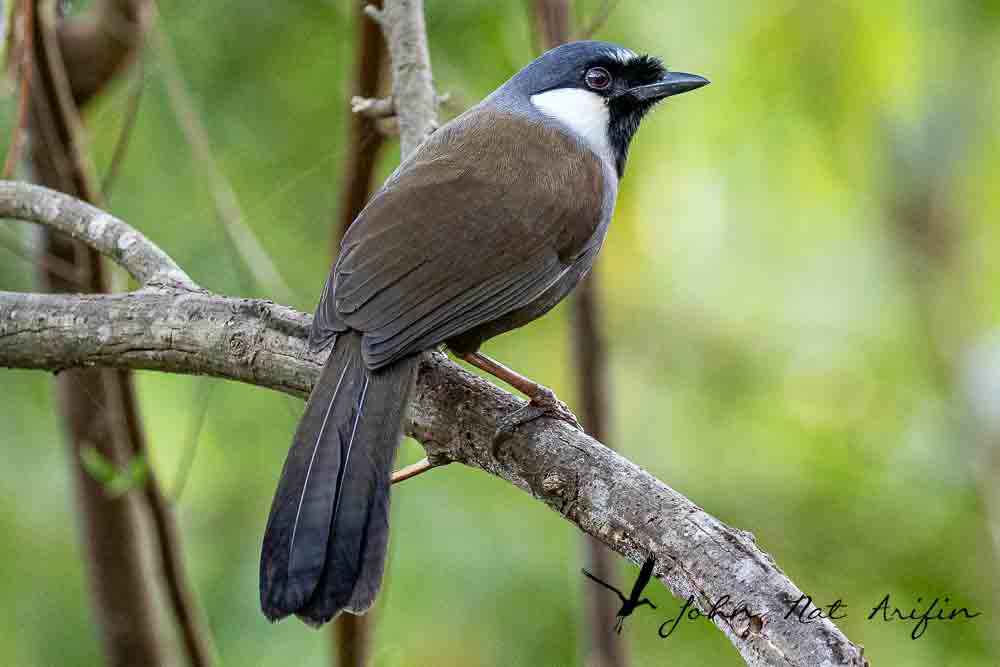
• Black-throated Laughingthrush
• Chestnut-crowned Laughingthrush
• Silver-eared Laughingthrush
Highlights:
• More natural, less habituated behavior
• Excellent for capturing interaction and group dynamics
Field tip:
Early morning at summit camps after sun rise is highly productive. A 400mm lens handheld works well here due to flexibility.
⸻
4. Kaeng Krachan National Park, Thailand
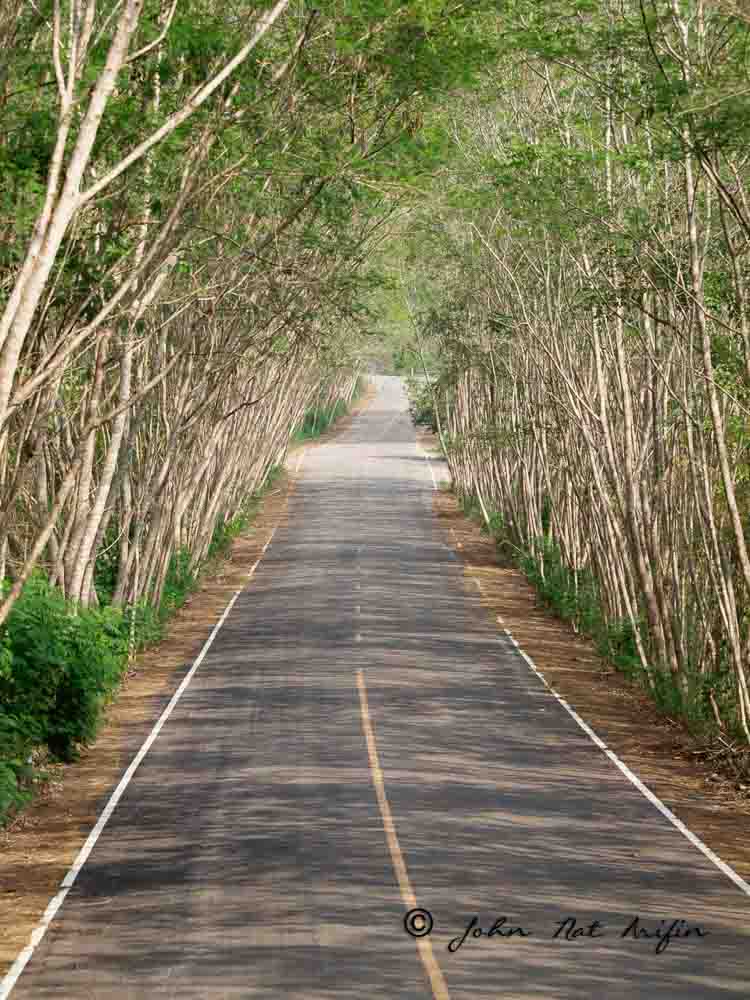
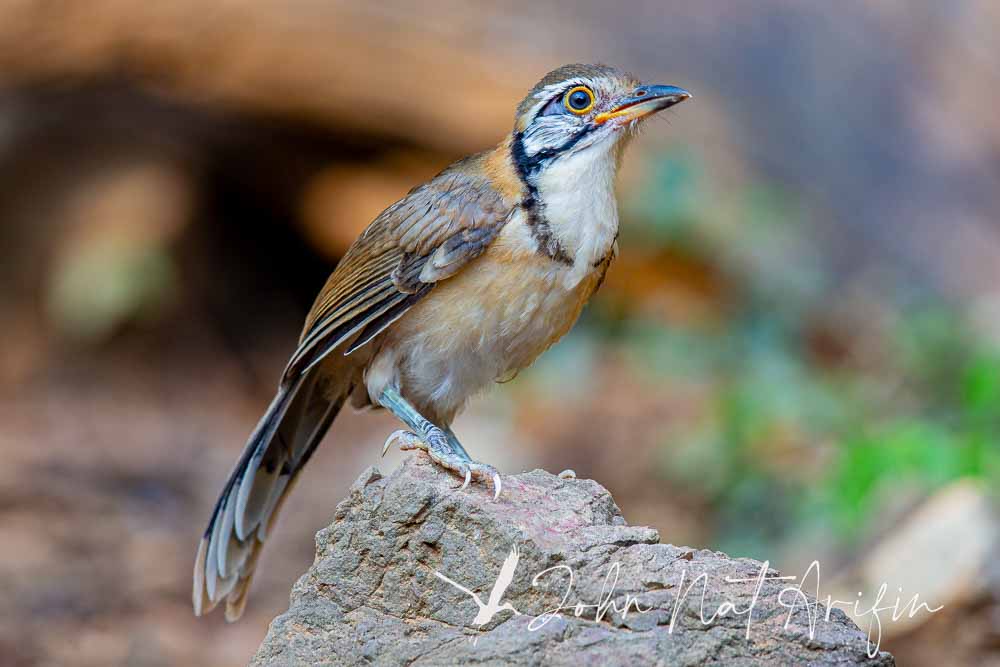
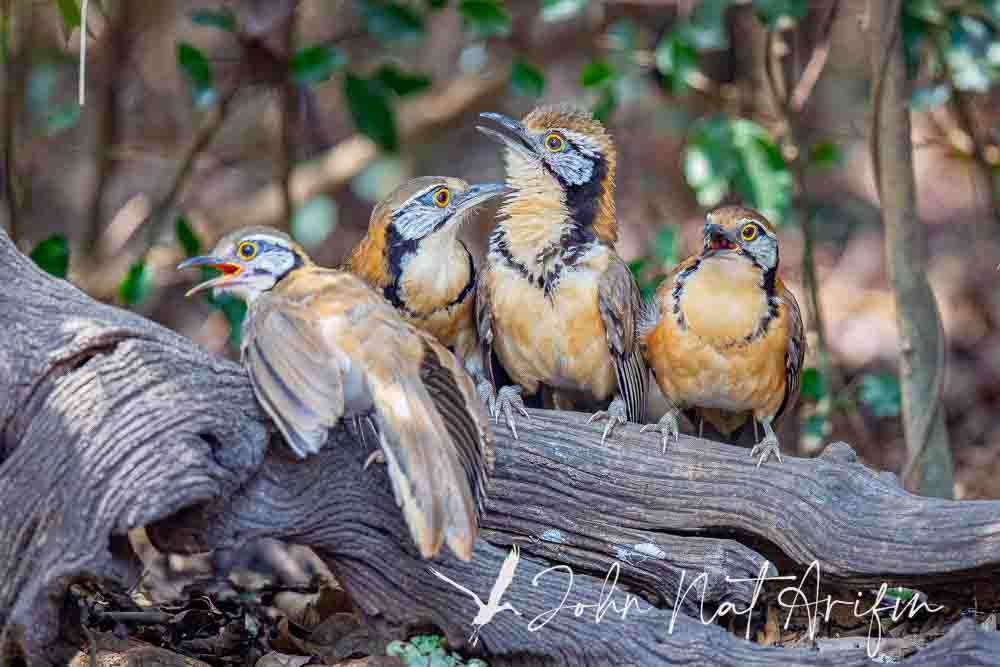
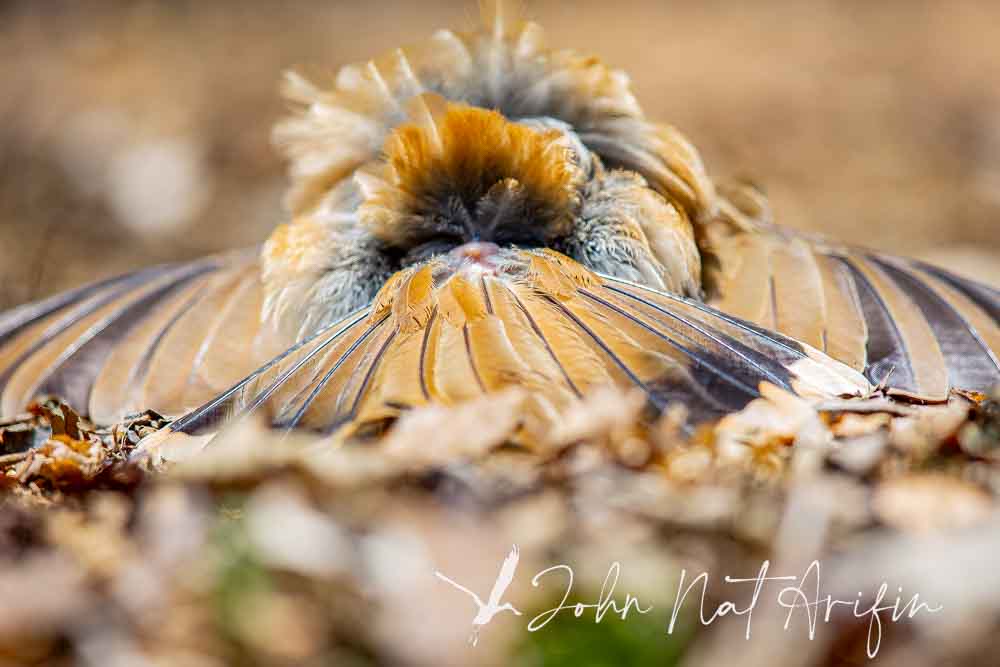
Kaeng Krachan National Park is Thailand’s largest national park, offering diverse habitats.
Species encountered:
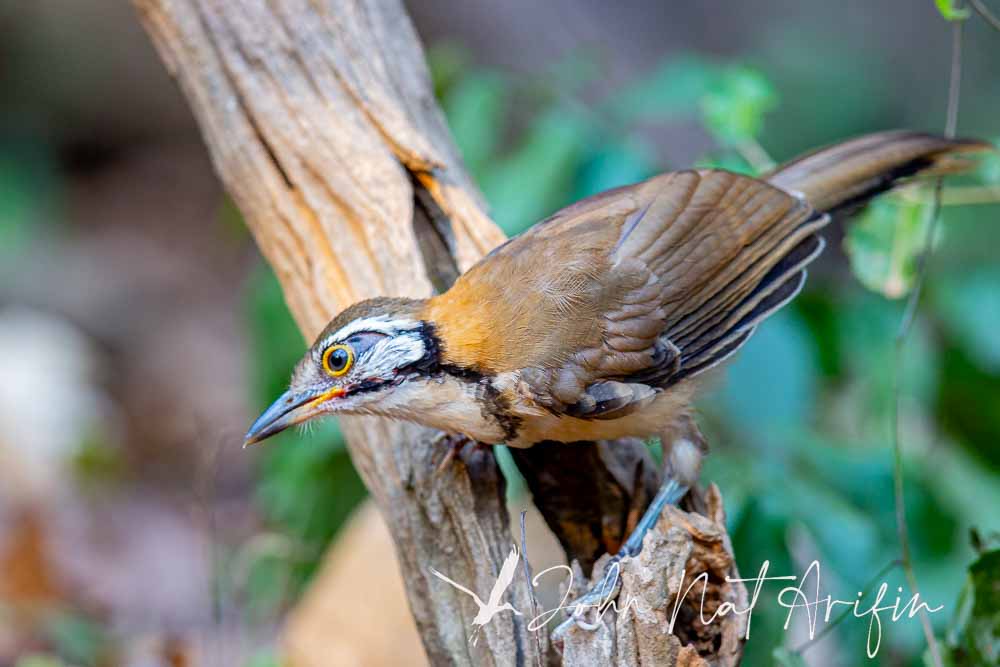
• Lesser Necklaced Laughingthrush
. Greater Necklaced Laughingthrush
• White-crested Laughingthrush
⸻
5. Dalat, Vietnam

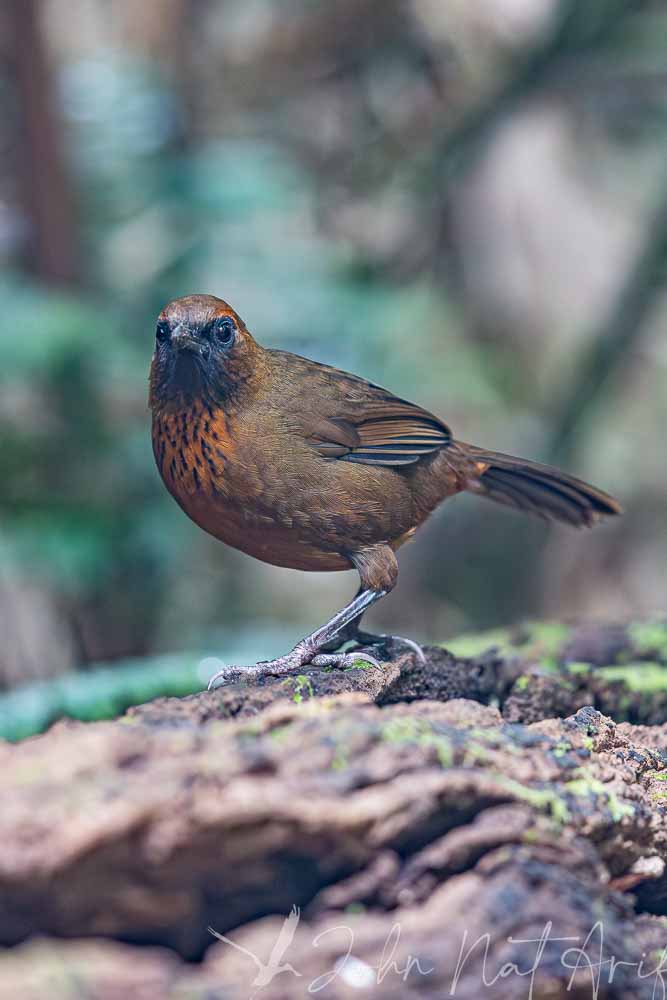
The highlands of Da Lat are a must for serious bird photographers.
Key species:
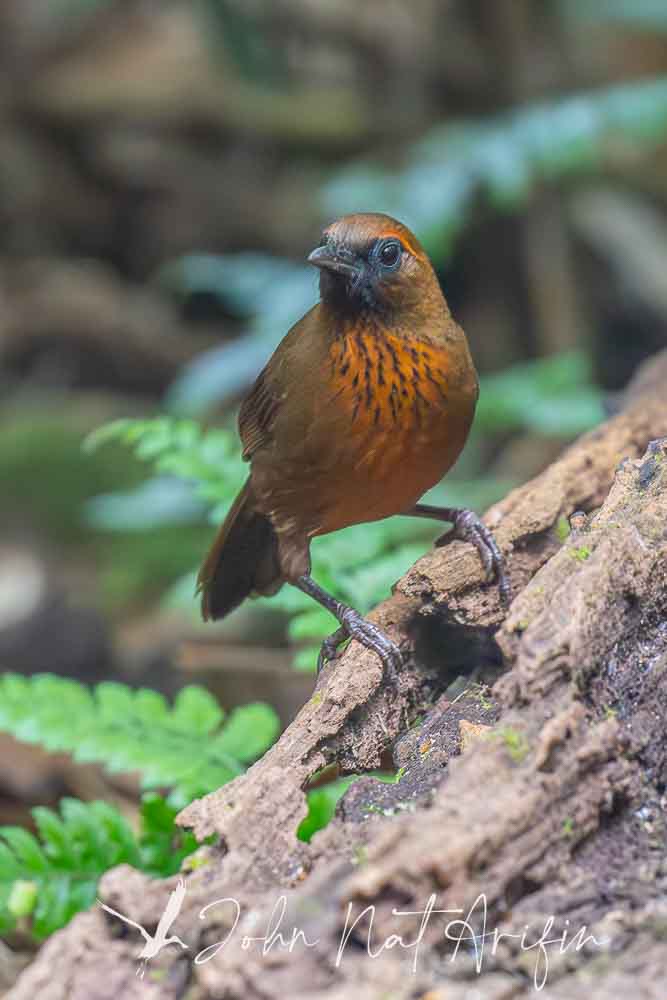
• Orange-breasted Laughingthrush (endemic)
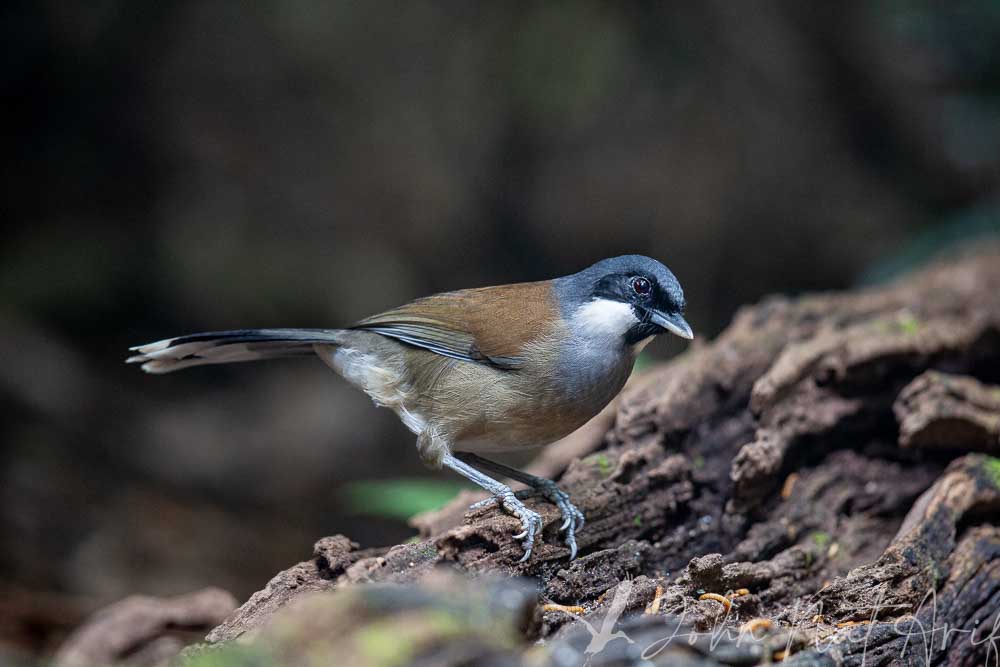
• White-cheeked Laughingthrush
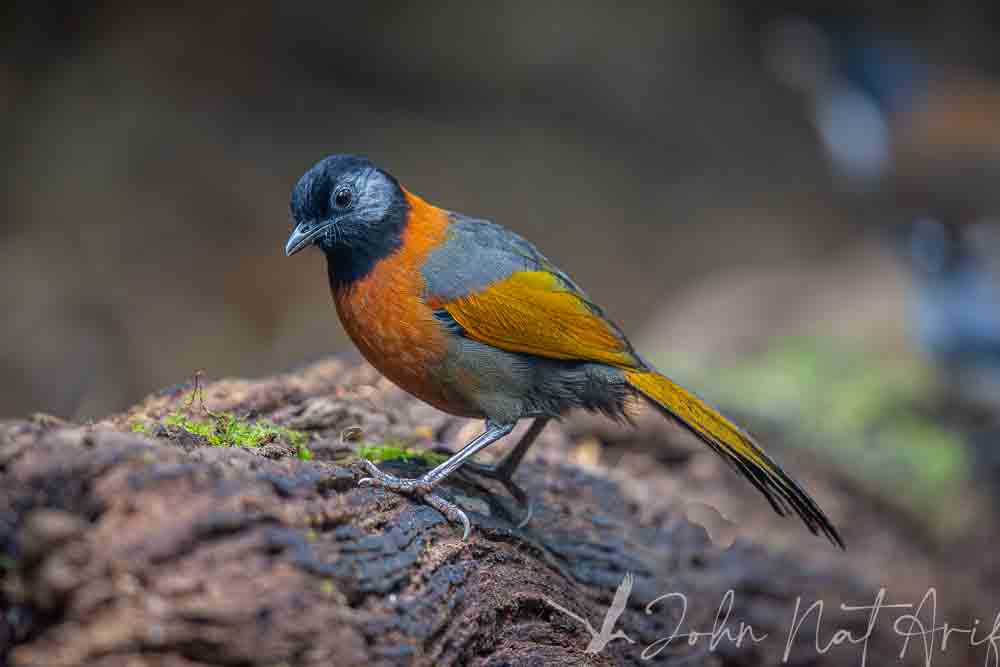
• Collared Laughingthrush (endemic)
Why Dalat stands out:
• High level of endemism
• Cooler climate with consistent bird activity
• More predictable stakeout locations
Pro tip:
Hiring a local bird guide significantly improves your success rate.
⸻
Camera Settings and Techniques for Laughingthrush Photography
Photographing laughingthrushes requires adapting quickly to challenging forest conditions.
Recommended setup:
• Telephoto lens: 400mm–600mm .
• Aperture: f/4
• Shutter speed: 1/30–1/100 on tripod
• ISO: Auto ISO with a reasonable upper limit
Key techniques:
• Pre-focus on likely perches
• Use burst mode for movement
• Prioritize sharp eyes over perfect framing
⸻
Challenges of Photographing Laughingthrushes
1. Low light – Forest shooting pushes ISO limits
2. Fast movement – Rarely still for long
3. Obstructed views – Branches and foliage interfere
4. Group dynamics – Multiple birds can clutter compositions
⸻
White-crested Laughingthrush in Singapore: An Introduced Opportunity
The White-crested Laughingthrush is also present in Singapore—but with an important distinction.
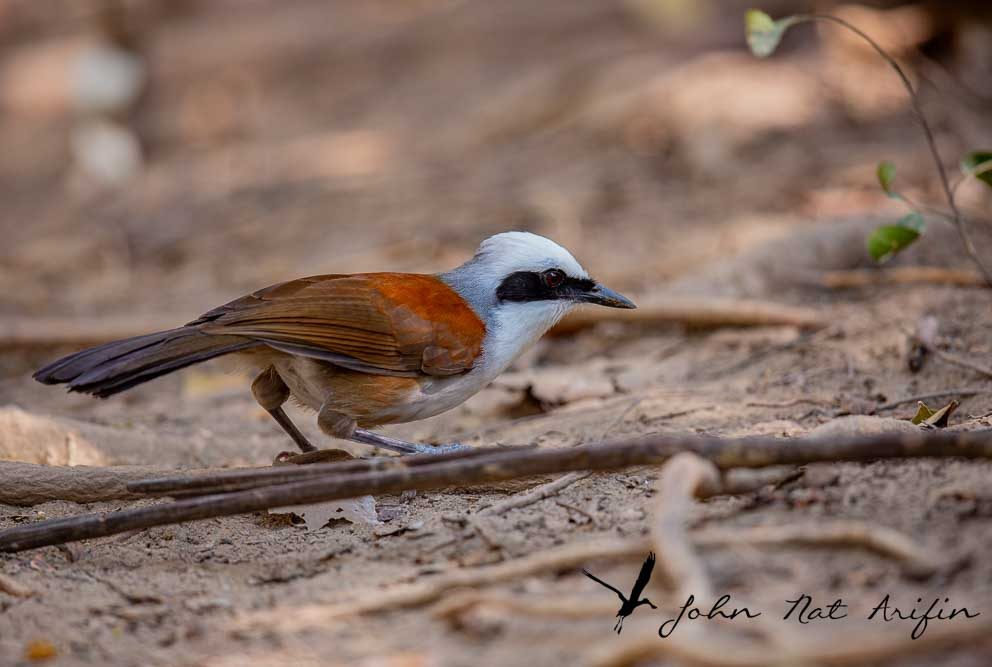
Status in Singapore
This species is not native. The local population is believed to originate from escaped or released cage birds, forming a small feral population.
Where to Photograph
Reported locations include:
• Central Catchment Nature Reserve
They favor dense undergrowth and forest edges.
Photography Experience
Field tips:
• Track calls first
• Be ready for quick bursts
• Use 400-600mm for working distance
⸻
Why Photograph Laughingthrushes?
Despite the difficulty, they offer:
• Beautiful, earthy coloration
• Expressive behaviour
• Dynamic flock interaction
• A rewarding technical challenge
They push photographers from casual bird shots into true fieldcraft and anticipation.
Conclusion
From Fraser’s Hill to Da Lat, laughingthrushes offer some of the most rewarding bird photography opportunities in Southeast Asia.
For a Singapore-based photographer, these destinations are accessible yet diverse—each adding new species, behaviors, and challenges to your portfolio.
Master them, and you’ll elevate not just your images—but your field skills.
Summary Description
A bird photographer’s guide to laughingthrushes in Southeast Asia, featuring Fraser’s Hill, Doi Inthanon, Kaeng Krachan, Mae Wang, and Dalat.






Leave a Reply