
Ujung Kulon National Park, West Java, Indonesia
The Nature Watch magazine published a 5-page article in September 1994 on Ujung Kulon. It was during the Covid-19’s Circuit Breaker, while cleaning up, I happened to stumble upon my old field notes on our trip to Ujung Kulon National Park in 1993. It triggered me to share the story in my travelogue with a personal account of the journey supported by more unpublished images. After reviving my retired Epson 2450 Photo-scanner and using modern technology with the internet, I gathered & collated bits and pieces of information and media to recreate the digital experience in order to share the story online to a wider audience worldwide.
Ujung kulon National Park is a very remote park. One way to get there was to take a 40 km arduous journey on foot through the rainforest along the south coast from Taman Jaya to Peucang Island. Thankfully, we had an easier alternative by hiring a cabin cruiser from Labuan port to sail to Peucang Island in 4 hours while enjoying our nasi goreng served for lunch on board in the cool sea breeze.
Though we did not manage to spot the elusive endangered and rare Javan one-horn rhino, we saw many Pied Hornbills in flight, Javan Wild oxen grazing, even indolent python at close range in Ujung Kulon National Park in western most tip of Java Island in Indonesia
Highlights of Ujung Kulon National Park, Java Indonesia




The highlight of the park was to see a great variety of ecosystems from coral reefs, rugged coastlines and tranquil sandy beaches with nipa palms, strangling figs, mangrove swamps, pandanus groves and other plants of the lowland rainforest and tropical coastal beach. The 6 day nature photography trip to Ujung Kulon National Park from 27 November to 6 December 1993.
My Travelogue:
6 Day Trip to Ujung Kulon National Park, West Java, Indonesia
Day 1.
28 November 1993. Jakarta, Labuan, Peucang Island
We departed Jakarta at 6 am to Citerup south of Labuan about 165 Km away to the west. Once we reached the fishing village, we had a cabin cruiser, “Kapala”, that sailed us to Peucang Island. Lunch was on board, simple Ayam Goreng Kecap and Nasi Goreng. Weather was cloudy and sea was calm. We saw Mount Honje (625m) as we approached Cape Alang-Alang. The boat ride was about 4 hours, we arrived about 3:15 pm. At around 5:45 pm, we saw hundreds of flying foxes over us in one uniform direction to feed for the night as the sound of insects started to appear just around sunset. The forest was like a jungle orchestra just before dinner at Peucang Island in Ujung Kulon National Park. Sweet sour fish and prawn were served with fresh Indonesian mangoes as desserts.

Day 2
29 November. Peucang sunrise photography, trekking to Karang Cobong, Ciujung Kulon.

Woke up early for sunrise photography at the pier before we took a 3 hour trek to Karang Cobong for hornbills. We saw Pied Hornbills flying over us with wheezy wingbeat like the arrival of a whooshing locomotive.
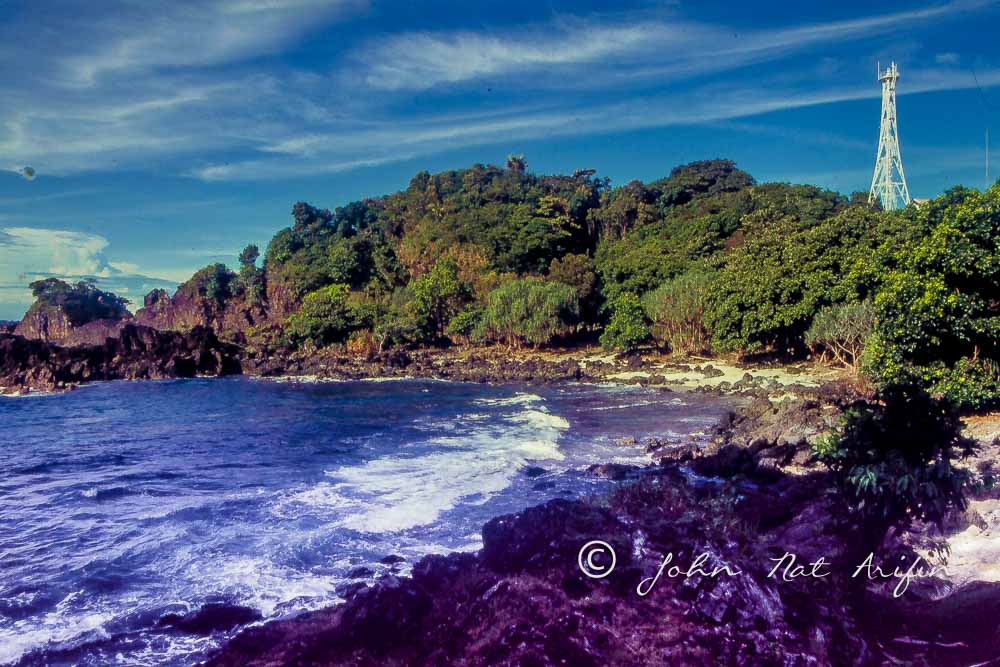
We reached the breath taking rugged beach of Karang Cobong with strong waves crashing down on the rocks. We saw the lone lighthouse of Tanjung Layar at the western most tip of Java Island on our left. To our right, the Panaitan Island, the largest island at the park which dominated the landscape. Looking southward, it was a vast open sea with strong gushing waves. Christmas Island is a few thousands Kilometre from where we stood beyond that, is the large land mass of Antarctica.

Weather changed from sunny to light drizzle as we reached Karang Cobong. We quickly packed our camera equipment and put on our raincoats. Without warning, the gushing rain poured upon us. We walked under the heavy rain in the canopy for about 1 hour. By the time we reached the lodge, our shoes were all soaked wet. To my horror, when I unzipped my camera bag, it was filled with rain water and my spare camera was drowned inside. The camera was dead. I tried to revive my film camera by removing the battery and airing it in the room overnight. Thankfully, it worked again the next day.
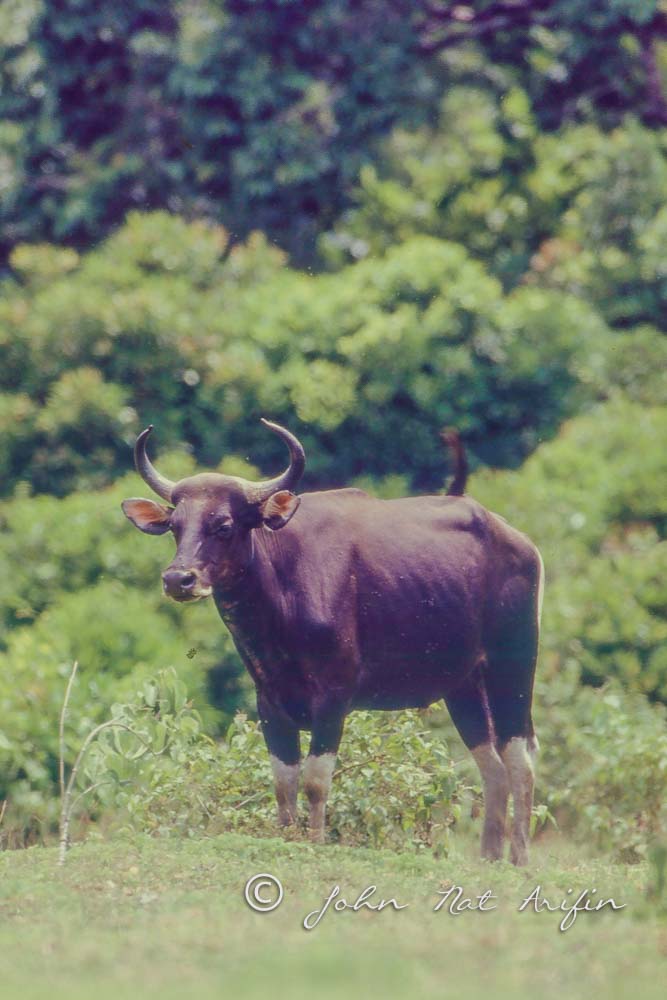
The rain stopped and lunch was served on the boat, it started to drizzle again as we left for Cidaun across the straits to the mainland to see the Javan Wild Ox on the gracing ground of Ciujung Kulon. We saw about 20 Javan Wild Oxen (also called the Javan Banteng) where the bull is black and the cow is buff in colour.


Heavy evening rain again after dinner. Our night photography session was cancelled.
Day 3
30 November. Peucang, Treeking Cibom, Ciramea, Tanjung Layar.
Up at 5:15 am for sunrise photography but it was nothing spectacular after the heavy rain the night before. We saw deer and monkeys feeding on the grass patch. Pied Hornbill also perched on the tree nearby.
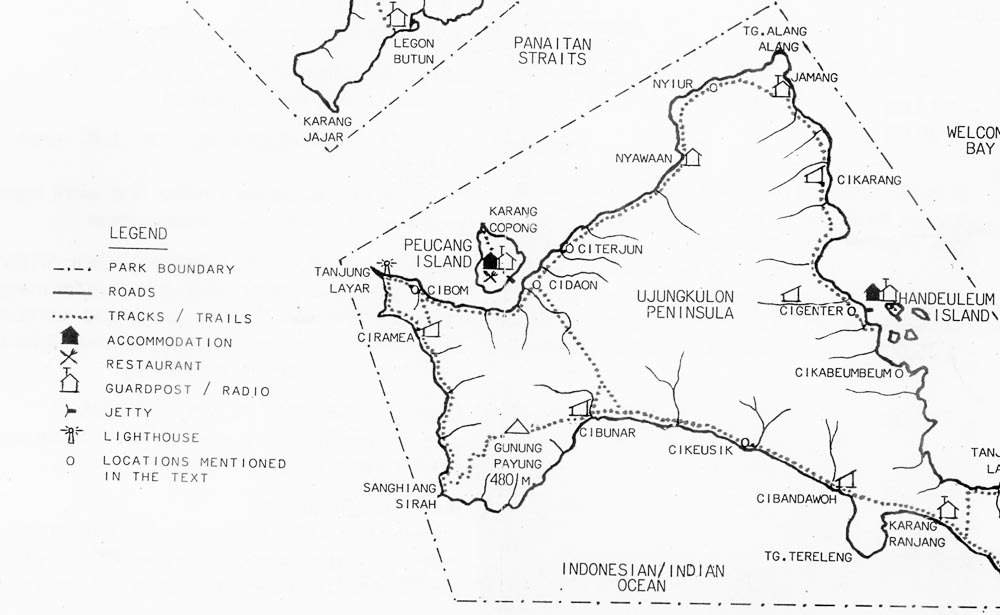
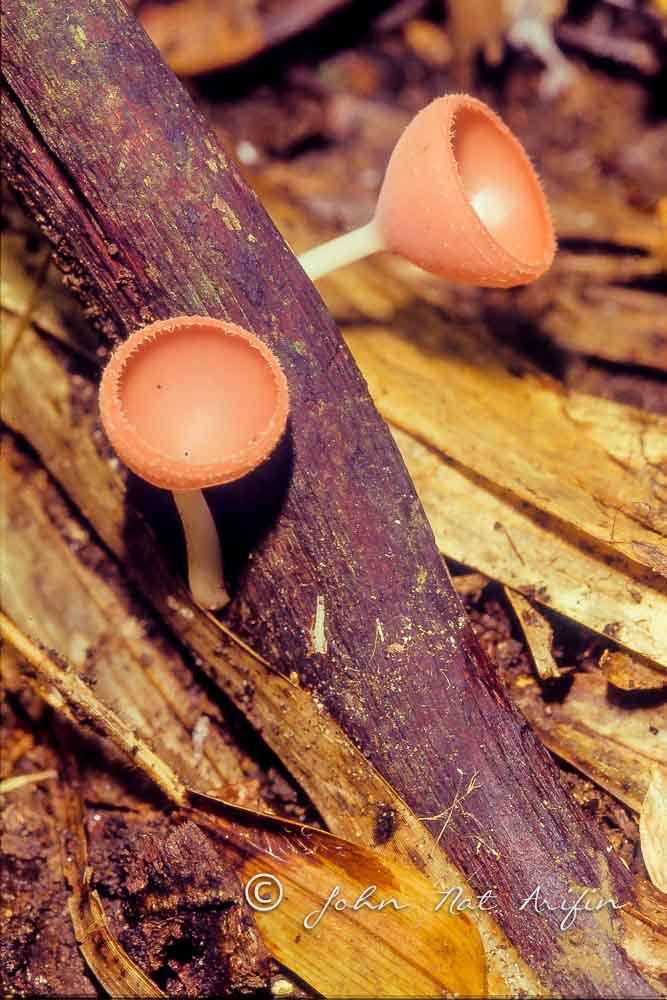
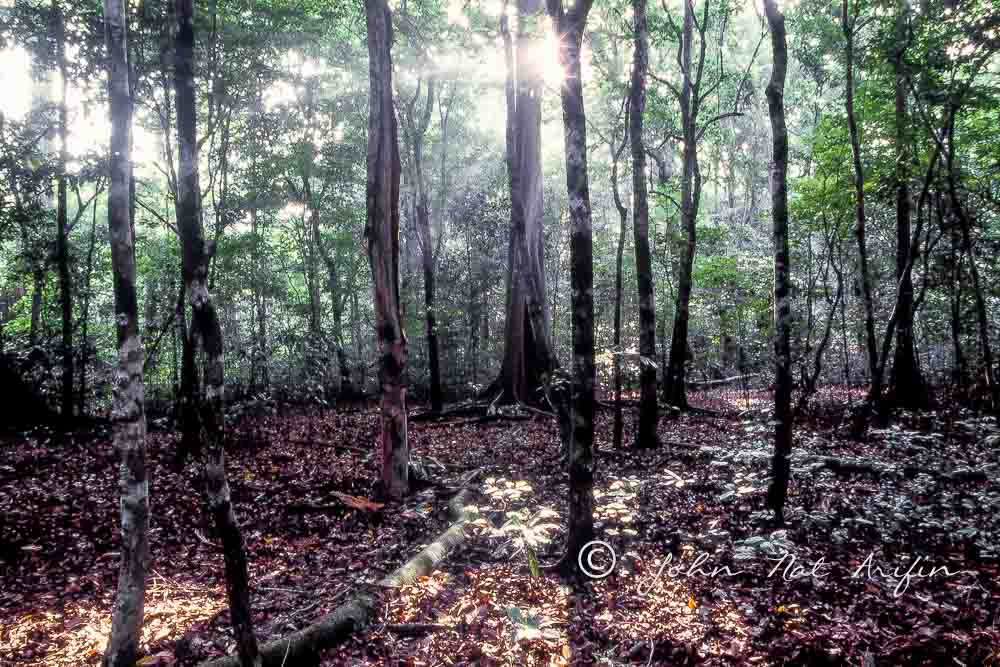
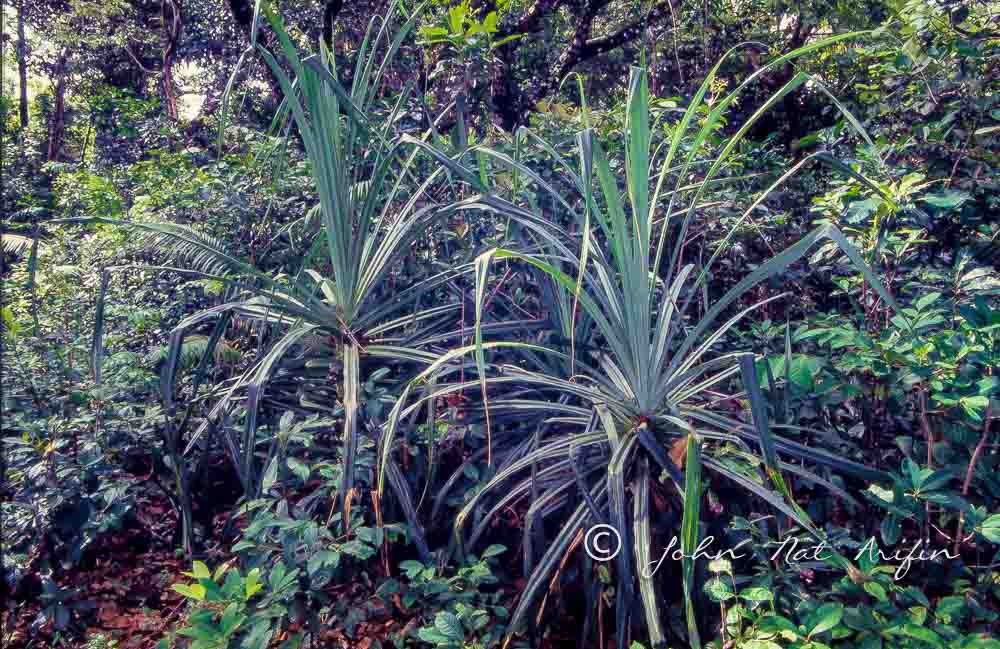
It was sunny and clear when we left for Cibom. At around 9:15 am we trekked into the forest with the guides. There were palms and various trees from the lowland forest. We took images of ginger, fungi and spiders on our way to Ciramea. We walked under the forest canopy and heard hornbills flying above us. Arrived Ciramea around 1 pm. It is a rugged beach with very strong waves . Weather was still sunny when we had our packed lunches. After a short rest, we continued to Tanjung Layar along the stretch of deserted beach and tidal pools where we saw Pacific Reef egret. After some climb, we reached Tanjong Layar meadow with a sense of peace after a few Km of trekking under the hot sun along the barren beach only inhibited by Pandanus. As we were resting and enjoying the scenery of strong waves hitting the shore, 10 hornbills flew above us. We continued our journey to Cibom to complete the loop. By 5 pm, the boat came to pick us up to return to Peucang Island.



Day 4
1 December. Peucang, Hendeuleum Island, Cigenter River.
The rain stopped at about 8:30 am. We went to Ciujung Kulon, a river with Nipa Palm habitat on both sides. We used smaller boats to enter the river mouth to observe nature. We saw indolent python above us as we paddled through the narrow river. We stopped by Cidaun again and saw about 15 to 20 Javan WIld Oxen.
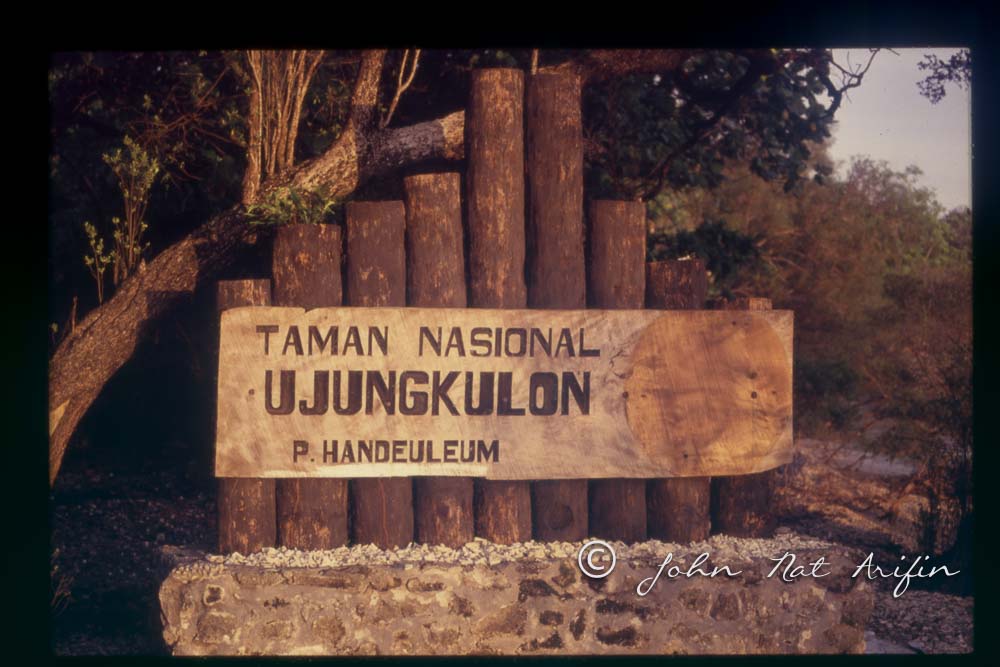
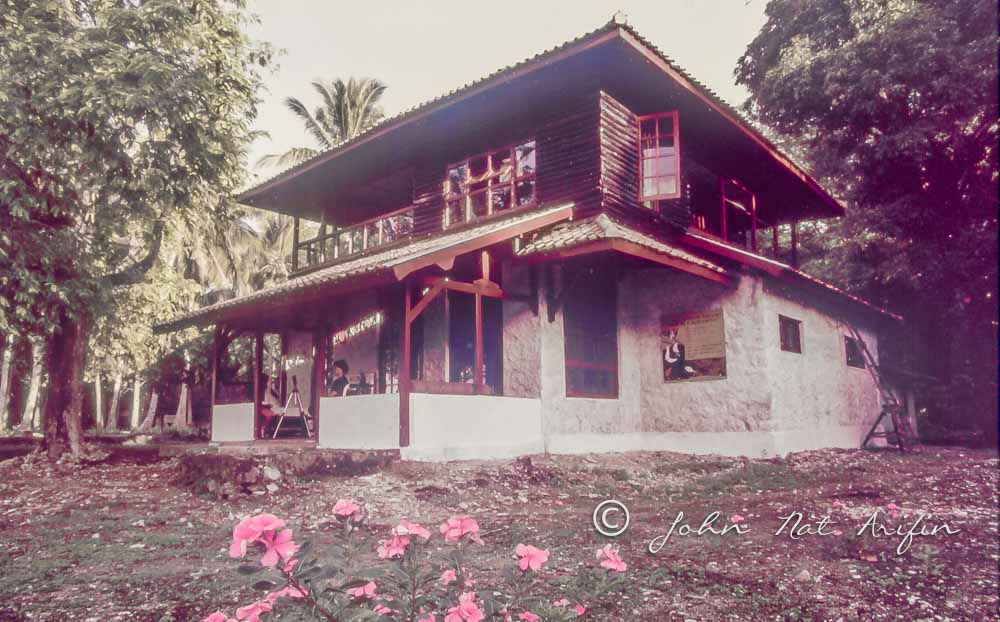
After switching to a bigger boat, the “Kapalai”, we left for Hendelum Island at around 11 am. Took us 3 hours to sail there. We walked a short distance to the cottage through the forest .The cottage overlooked two smaller islands about 1 Km away. The deers were tame there with no sign of monkey and monitor lizard. The Periwinkle meadow gave us the added colour to the green forest as we look westward.
Morning sail to Hendulum Island and anchored at the mouth of the Cigenter River. This is the location for the sighting of the rare Javan rhino which there were only 50-60 of them in the wild only found at the Ujung Kulon National Park. We canoed into the river and trek to observe wildlife. We stayed overnight at the ranger lodge at Handeuleum Island. Accommodation was more basic than Pencang Island.
Here is a video clip of the Javan Rhino from WWF.
Day 5
2 December. Handeuleum Island
We explore wildlife around Handeuleum. My most memorable encounter was the Rusa Deer in the periwinkle meadow while enjoying our afternoon tea outside the guest house by the beach.


Day 6
3 December 1993. Hendeuleum, Labuan, Jakarta
We sailed back to Labuan from the tranquil island of Handeuleum. It was a 3.5 hour journey. We were rewarded by the sight of frigate birds and flocks of White-winged Terns. We left at 8:15 am and arrived Labuan around lunch just in time for Nasi Padang. Arrived Jakarta about 6 pm.
History
Ujung Kulon National Park was first discovered by Dr Kuhl and Hasselt in 1823. On 27 August 1883, the valcano Krakatau erupted resulting in a tidal wave that destroyed most of the lowland primary forst. Ramnants of this event can still be seen in the park where fallen tress lay partially fossilised by the volcanic dust. In 1921, the park was declaiered a Nature Reserve and in 1980 was given the status of National Park.






 Photo Travel Asia. com
Leave a comment